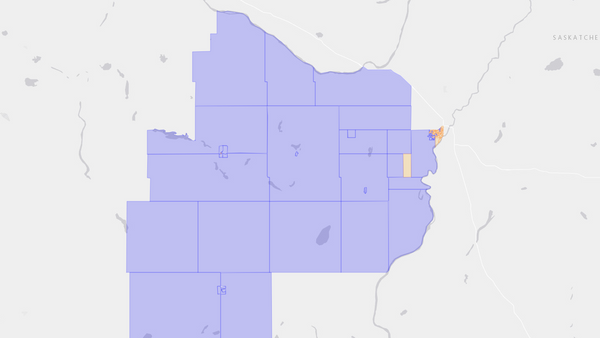
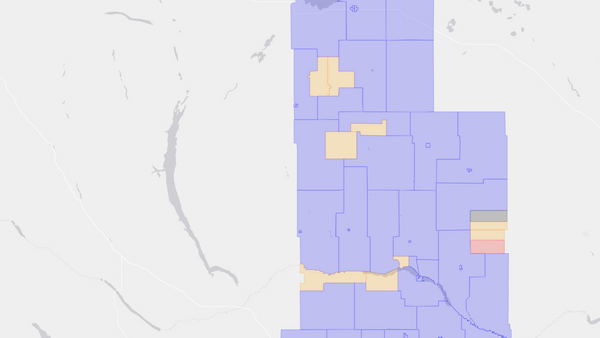
Saskatoon—Humboldt, SK — 2008 Federal Election Results Map
Saskatoon—Humboldt — 2008 Election Results
📌 The Canadian federal electoral district of Saskatoon—Humboldt was contested in the 2008 election.
🏆 Brad Trost, the Conservative candidate, won the riding with 18,610 votes (53.8% of the vote).
🥈 The runner-up was Scott Ruston (NDP-New Democratic Party) with 9,632 votes (27.8%), defeated by a margin of 8,978 votes.
📊 Other notable candidates: Karen Parhar (Liberal, 12%) and Jean-Pierre Ducasse (Green Party, 6%).
Riding information
Auto generated. Flag an issue.Saskatoon—Humboldt
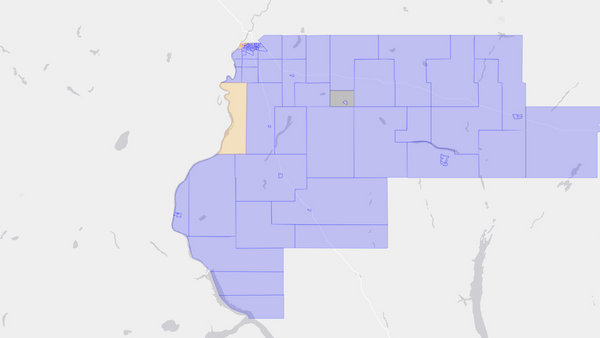
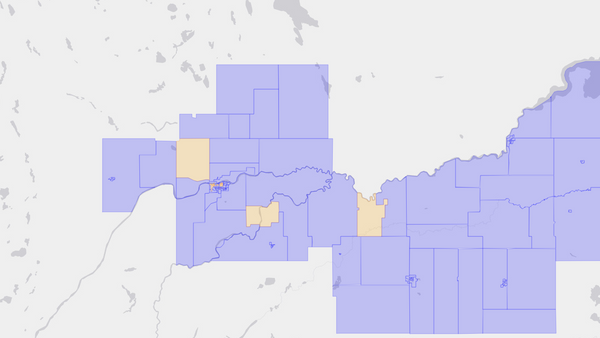
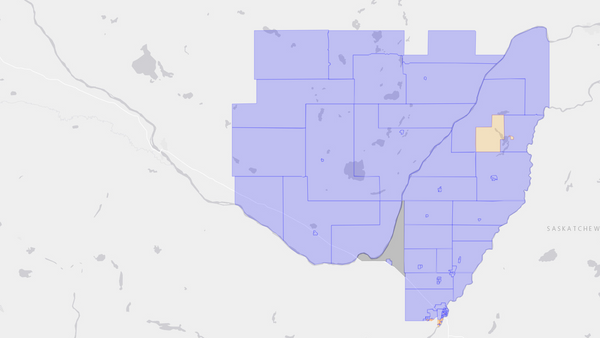
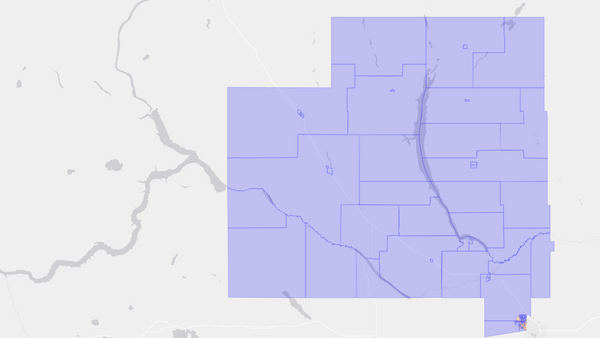
Saskatoon—Humboldt joined the northeastern quadrant of Saskatoon to nearly 11,700 square kilometres of farmland running east and north — through Wakaw and Watson to Humboldt, out to Quill Lake and Naicam and Pleasantdale, and up the South Saskatchewan River to St. Louis.
Candidates
Brad Trost (Conservative) — Trost took a Bachelor of Science in geophysics and a Bachelor of Arts in economics at the University of Saskatchewan and worked as an exploration and mining geophysicist, running electromagnetic surveys for drill targets in the Yukon, Northwest Territories and Nunavut before entering politics. He grew up helping on the family farm and worked in a bakery before university. Elected in 2004 in a riding that had spent the previous seven years in the hands of Jim Pankiw, he was seeking a third term and had become one of the more prominent social conservatives in the government caucus.
Scott Ruston (NDP) — A potash miner living at Colonsay, Ruston ran for the New Democrats on wages, workplace safety and the argument that the province's resource wealth was not reaching the people extracting it.
Karen Parhar (Liberal) — A sessional lecturer living in Saskatoon, Parhar carried the Liberal platform in the riding.
Jean-Pierre Ducasse (Green) — A Saskatoon teacher, Ducasse ran for the Green Party.
About the Riding
The Saskatoon end of the constituency covered the neighbourhoods east of the river — Sutherland, College Park, Erindale, University Heights and their newer extensions — together with the University of Saskatchewan campus and the Innovation Place research park beside it. Those areas grew quickly through the middle of the decade as Saskatchewan's boom drew people back to the province, and their residents worked in health care, education, resource services and the technology firms clustered around the university.
Potash shaped the rural half without being mined in it. The shafts at Colonsay, Allan and Lanigan lay just beyond the riding's southern edge, in a corridor that had spent decades operating at modest margins and was suddenly the most profitable industrial ground in the province. Prices climbed steeply through 2007 and 2008 as demand from India and China outran supply, and the operators were partway through expansion programs measured in billions of dollars. Mining wages pulled labour off farms and out of small towns across the riding, and rural municipalities argued about roads chewed up by construction traffic.
Humboldt, a city of about 5,000, sat at the centre of the agricultural half. Settled by German-speaking Catholics at the turn of the twentieth century, it kept that character in institutions such as St. Peter's Abbey and St. Peter's College at nearby Muenster. Humboldt also anchored a genuine manufacturing cluster: the Prairie Agricultural Machinery Institute, which had tested and rated seeding and tillage equipment for producers across the West since 1975, and farm equipment builders in the surrounding towns, Bourgault Industries at St. Brieux among the largest. To the north, the francophone and Métis communities around St. Louis, Domremy and Bellevue reach toward the Batoche country.
Federal questions arrived through those channels. Grain prices were high but input costs — fertilizer above all, driven by the same potash and nitrogen markets — had risen faster, and farm groups wanted to know what Ottawa intended to do about the squeeze. The wheat board's single desk divided producers here as elsewhere, and the Liberal carbon tax proposal was a hard sell in a riding running on fertilizer, diesel and grain trucks.
Trost's social conservatism gave the campaign a second axis. He had been open about his positions on abortion and marriage since arriving in Ottawa, and those views were a firmer asset in the rural half of the riding than in the city half.