Regina—Lumsden—Lake Centre, SK — 2008 Federal Election Results Map
Regina—Lumsden—Lake Centre — 2008 Election Results
📌 The Canadian federal electoral district of Regina—Lumsden—Lake Centre was contested in the 2008 election.
🏆 Tom Lukiwski, the Conservative candidate, won the riding with 16,053 votes (51.1% of the vote).
🥈 The runner-up was Fred Kress (NDP-New Democratic Party) with 8,963 votes (28.5%), defeated by a margin of 7,090 votes.
📊 Other notable candidates: Monica Lysack (Liberal, 15%) and Nicolas Stulberg (Green Party, 6%).
Riding information
Auto generated. Flag an issue.Regina—Lumsden—Lake Centre
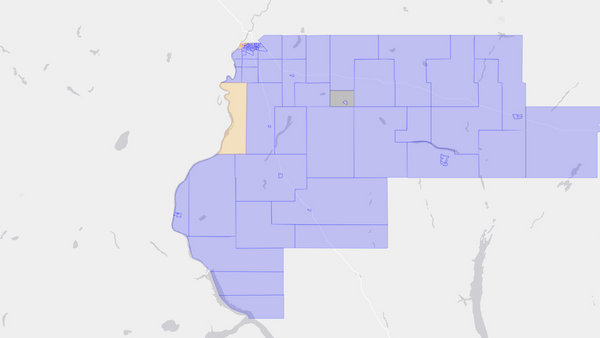
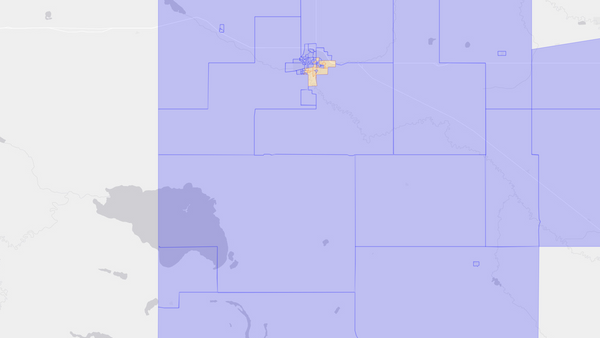
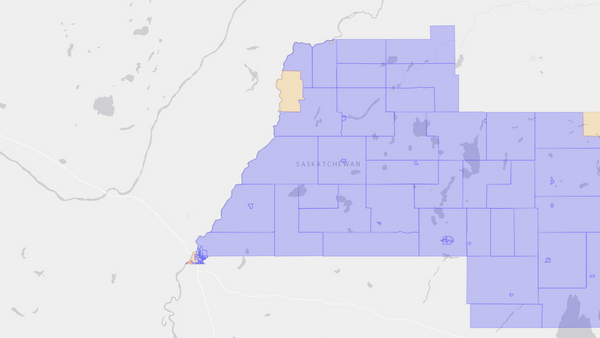
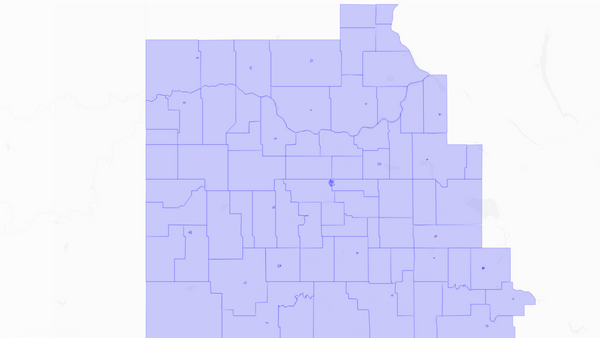
Regina—Lumsden—Lake Centre paired the northwestern quarter of Saskatchewan's capital with a long reach of open country — north through the Qu'Appelle Valley to Lumsden and Regina Beach, on toward Nokomis, and northwest along the Saskatoon highway through Craik and Davidson to Tugaske in the west. Created in 1996 as Regina—Arm River and renamed the following year, it was one of the wedge-shaped seats that split Regina among several constituencies, each of them holding far more farmland than city.
Candidates
Tom Lukiwski (Conservative) — Lukiwski reached Parliament from the organizational side of Saskatchewan conservatism. Born at Esterhazy in 1951 and living at Regina Beach, he ran a small business, surfaced in the late 1980s as executive director of the provincial Progressive Conservative Party, and in 1995 helped organize the Saskatchewan Party and became its first general manager. He won the seat in 2004 and served in the Parliament that followed the 2006 election as Parliamentary Secretary to the Leader of the Government in the House of Commons. In April 2008 the Saskatchewan NDP released a videotape recorded during the 1991 provincial campaign in which he made derogatory remarks about gay men; he apologized, said he would take the words back if he could, and kept his parliamentary secretary post.
Fred Kress (NDP) — A Regina constituency assistant, Kress ran on the New Democratic platform of affordability, pension security and public services.
Monica Lysack (Liberal) — Lysack had spent about three decades in early childhood education, including ten years developing child care policy inside the Government of Saskatchewan, and served as executive director of the Child Care Advocacy Association of Canada. A national child care program was the core of her campaign, an argument given edge by the Conservative government's decision to wind up the previous government's provincial child care agreements in favour of a monthly benefit paid to parents.
Nicolas Stulberg (Green) — A student living in Regina, Stulberg carried the Green Party platform in the riding.
About the Riding
The urban third covered Regina neighbourhoods such as Normanview, Normanview West and Walsh Acres — postwar bungalow districts and newer subdivisions on the city's northwestern edge, home to tradespeople, provincial civil servants and Crown corporation staff. Past the city limits the character changed within a few kilometres. Lumsden and Regina Beach sit in the Qu'Appelle Valley and along Last Mountain Lake, close enough to commute and pretty enough to fill with cottages each summer; from there the riding opened into grain and cattle country running most of the way to Saskatoon.
Saskatchewan in the autumn of 2008 was in the middle of the strongest economic run it had seen in a generation. Potash, oil and record grain prices were pulling in labour, and towns that had spent three decades shrinking were building again. That prosperity changed which federal arguments landed. Equalization was one: Stephen Harper had campaigned in 2006 on removing non-renewable resource revenue from the formula, Saskatchewan went to court over the result under Premier Lorne Calvert, and Brad Wall's Saskatchewan Party government dropped the case in the summer of 2008.
The Canadian Wheat Board was another. Efforts to end the board's single desk for barley had been blocked in the courts, and the question of who should market prairie grain divided farm households in the riding's northern half more sharply than any national issue. The third was the Liberal carbon tax proposal, which Wall opposed and likened to the National Energy Program of 1980 — an analogy with weight in a province whose new wealth came out of the ground.
For a hybrid seat where rural polls outnumbered urban ones, that combination left the opposition parties little room. Lukiwski's place in the government caucus, his history with provincial conservative organizations, and the riding's shape all pointed the same way.