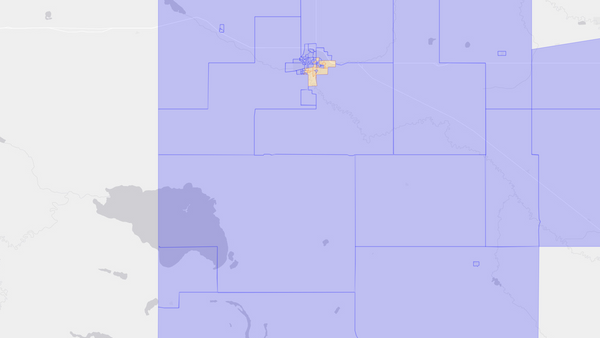
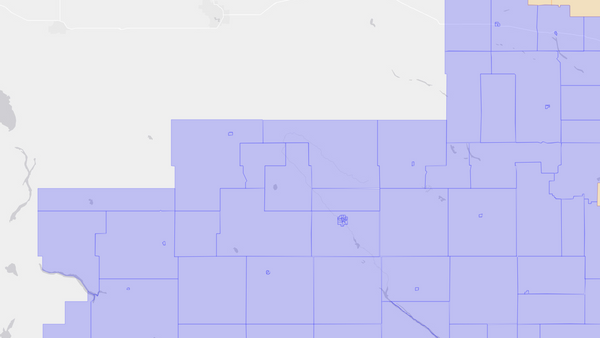
Regina—Qu'Appelle, SK — 2008 Federal Election Results Map
Regina—Qu'Appelle — 2008 Election Results
📌 The Canadian federal electoral district of Regina—Qu'Appelle was contested in the 2008 election.
🏆 Andrew Scheer, the Conservative candidate, won the riding with 14,068 votes (51.9% of the vote).
🥈 The runner-up was Janice Bernier (NDP-New Democratic Party) with 8,699 votes (32.1%), defeated by a margin of 5,369 votes.
📊 Other notable candidates: Rod Flaman (Liberal, 10%) and Greg Chatterson (Green Party, 6%).
Riding information
Auto generated. Flag an issue.Regina—Qu'Appelle
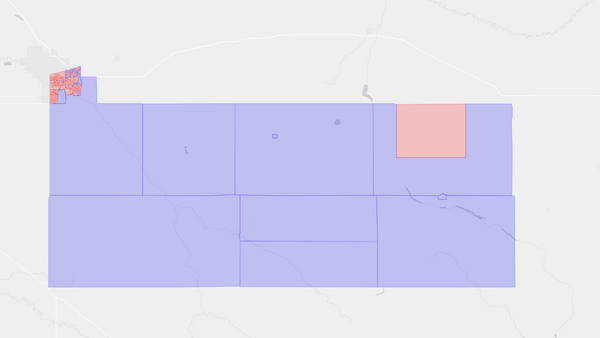
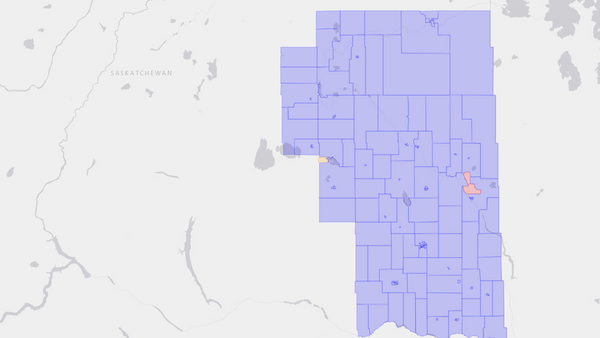
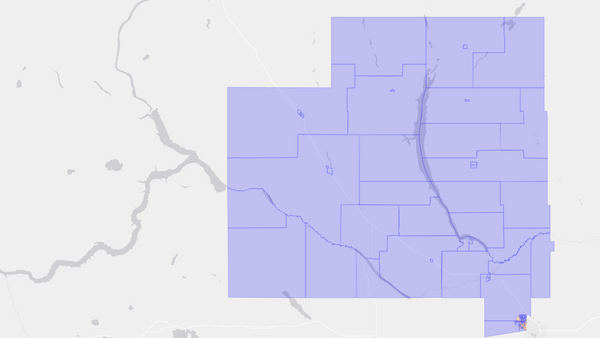
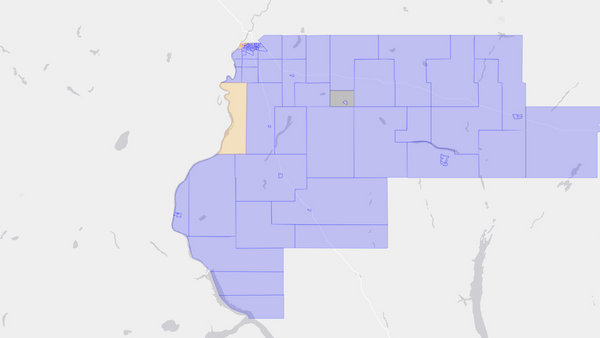
Regina—Qu'Appelle joined the northeastern quarter of Regina to the fast-growing bedroom towns just past the city limits, then followed the Qu'Appelle Valley east and north across Treaty 4 country. The riding ran through Pilot Butte, White City, Balgonie, Qu'Appelle, Indian Head, Fort Qu'Appelle and Balcarres, and reached north to Southey, Cupar, Raymore and Punnichy across about 13,400 square kilometres.
Candidates
Andrew Scheer (Conservative) — Born in Ottawa in 1979 and educated at the University of Ottawa, Scheer moved to Saskatchewan in his early twenties, worked in the insurance business in Regina, and spent time in the constituency office of Canadian Alliance MP Larry Spencer. He took the seat in 2004 at the age of 25 from Lorne Nystrom, one of the longest-serving New Democrats in the Commons, and held it in 2006. In April 2006 he was named Assistant Deputy Chair of Committees of the Whole, one of the Chamber's presiding officers, and had spent much of the preceding Parliament in the Speaker's chair. He was seeking a third term.
Janice Bernier (NDP) — Self-employed and living in Regina, Bernier ran for the New Democrats in a riding the party had held until 2004.
Rod Flaman (Liberal) — A farmer at Edenwold, Flaman had sat since 2000 as the elected Canadian Wheat Board director for District 8, and took leave from the board for the campaign. He arrived there as a critic of its monopoly, having been associated in the 1990s with Farmers for Justice and the push for a dual grain market, and changed his position after a few years on the inside — a conversion that made him an unusual Liberal to run in the middle of the wheat board fight.
Greg Chatterson (Green) — A bricklayer from Fort Qu'Appelle, Chatterson campaigned chiefly on water: the quality of the Qu'Appelle lakes and what reached them from Regina upstream.
About the Riding
The valley gives the riding its shape and much of its identity. The Qu'Appelle cuts a deep trench across otherwise flat country, holding a chain of lakes — Pasqua, Echo, Mission, Katepwa — that draw cottagers and campers from Regina every summer. Fort Qu'Appelle sits between two of them and serves as the commercial and administrative centre for the surrounding First Nations. Treaty 4 was signed there in 1874, and much of the riding's Indigenous population lived in the valley and the File Hills to the north.
The urban and near-urban half pulled in the opposite direction. White City, Pilot Butte and Balgonie were among the fastest-growing communities in the Regina region, filling with young families who wanted acreage lots and a short commute, and the northeastern Regina neighbourhoods inside the riding were mostly newer suburban construction. That growth was a direct product of the provincial boom, and it steadily increased the share of the electorate with no working connection to farming.
Agriculture set the tone across the rest of the constituency. Indian Head has been a centre of prairie farm research since the 1880s, home to a federal experimental farm and to the tree nursery that supplied shelterbelt seedlings to farms across the West from 1901 onward. Wheat, canola and pulse crops came off the land around Southey, Cupar and Raymore into a grain market that had run up sharply, and the fight over the wheat board's marketing monopoly was live in every coffee row.
The national argument over the Liberal carbon tax plan, which Premier Brad Wall had already denounced, counted for less here than the wheat board did. Flaman's record on the board gave the Liberals a candidate who could argue grain marketing with farmers on their own terms, against a Conservative whose party was committed to dismantling the single desk.