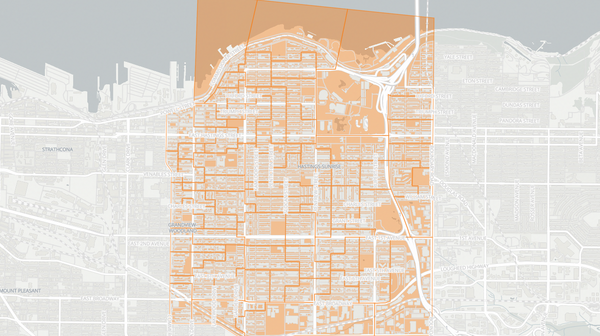
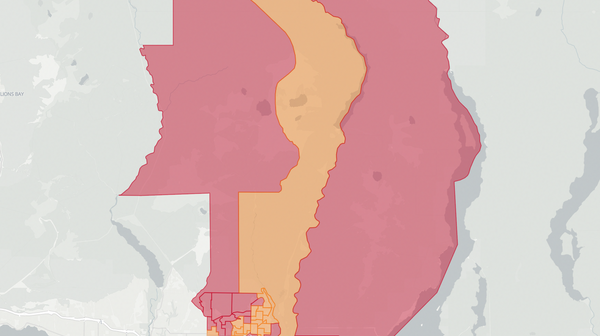
West Vancouver-Capilano — 2020 British Columbia Provincial Election Results Map
West Vancouver-Capilano — 2020 Election Results
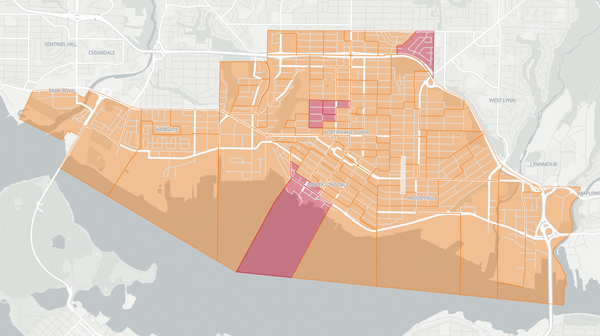
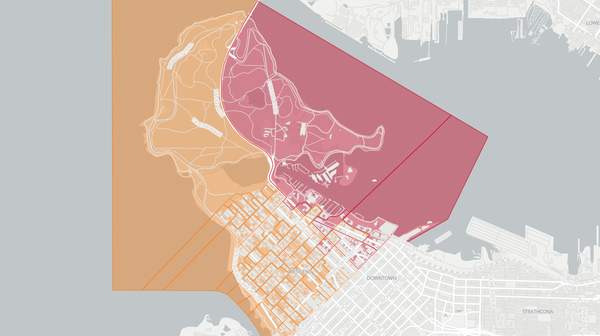
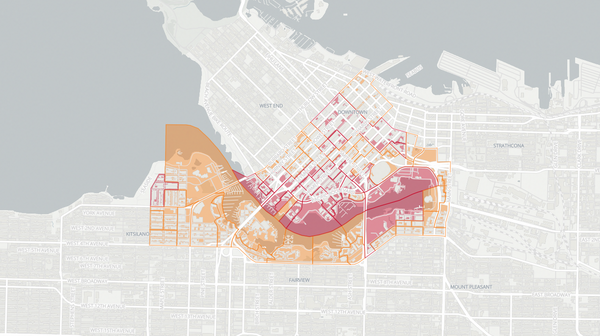
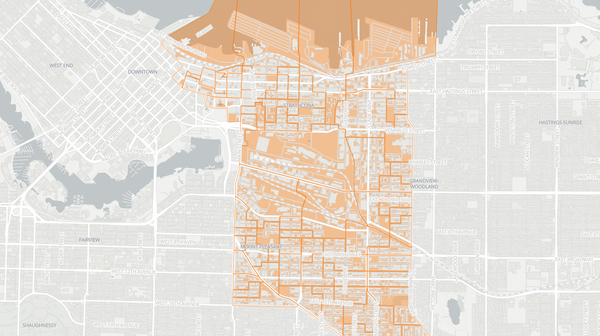
Poll-by-poll results for West Vancouver-Capilano in the 2020 British Columbia election. The BC Liberal Party candidate won this riding. Explore detailed voting data, candidate results, and turnout statistics at the poll level.
Riding information
Auto generated. Flag an issue.West Vancouver-Capilano
West Vancouver-Capilano covers the eastern portion of the District of West Vancouver and parts of the District of North Vancouver around the Capilano area. It encompasses some of the most affluent neighbourhoods in British Columbia, including the British Properties, with high median household incomes and residential real estate values among the highest in the country. The riding has one of the oldest median ages of any constituency in the province, with a significant retiree population that makes long-term care and seniors' services a perennial concern. West Vancouver's steep terrain, North Shore setting, and proximity to the Lions Gate Bridge define the riding's geography, while its economic life is shaped by local retail, professional services, and the spending patterns of its wealthy residential base.
Politically, West Vancouver-Capilano has been one of the safest centre-right seats in British Columbia. The BC Liberals won the riding in every election from 1991 onward, typically with more than 60 per cent of the vote. The 2020 contest marked a rare transition: the five-term incumbent, who had represented the riding since 2001 and was the oldest sitting MLA in provincial history, retired at age 87, creating an open seat for the first time in nearly two decades. While the riding's demographics still strongly favoured the Liberals, the combination of a new, untested candidate and the NDP's province-wide momentum added a degree of uncertainty.
Candidates
Karin Kirkpatrick (BC Liberal Party) — Kirkpatrick was the CEO of Family Services of Greater Vancouver, where she led approximately 500 employees across 12 locations providing frontline support services to vulnerable populations in the Lower Mainland. She became the first woman to represent West Vancouver-Capilano in the legislature.
Amelia Hill (BC NDP) — Hill was a constituency assistant and rowing coach who had lived on the North Shore her entire life. She had served as the youngest head coach in the BC Games and ran for municipal council, advocating for environmental protection and sustainable housing.
Rasoul Narimani (BC Green Party) — Narimani was a researcher at Simon Fraser University with expertise in polymer science and fuel cell membrane technology. He campaigned on climate change, healthcare, education, and food security.
Anton Shendryk ran as an Independent.
Local Issues
The COVID-19 pandemic exposed devastating vulnerabilities in long-term care facilities that were of acute concern to the riding's aging population. West Vancouver's Capilano Care Centre, a 205-bed facility on Clyde Avenue, became the site of the North Shore's deadliest outbreak when infections were declared in November 2020. By the time the outbreak was contained, 76 residents and 66 staff had contracted the virus, and 26 elderly residents had died — making it the third-deadliest outbreak in any BC long-term care facility. The tragedy galvanized families across the riding who had been advocating for stronger provincial oversight of staffing levels, infection control protocols, and the ratio of direct care hours per resident. West Vancouver had one of the highest median ages of any community in the province, and the demand for home support services, geriatric specialist care, and additional long-term care beds had been growing for years before the pandemic laid bare the consequences of chronic underfunding.
The Park Royal redevelopment at the intersection of Marine Drive and Taylor Way illustrated the tensions between densification and neighbourhood character that shaped land-use politics in the riding. West Vancouver District Council first approved two towers — 11 and 14 storeys — at 752 Marine Drive in May 2018, including 141 market units, 49 market rental units, and 11 non-market supportive units, along with $31.3 million in community amenity contributions. Approximately a year later, after construction had already begun, the developer Larco returned with a proposal to add five storeys to each tower, increasing them to 16 and 19 storeys. Council approved the changes in a 4–3 vote in 2020, but the decision underscored the community's ambivalence about growth in a municipality that had long resisted the kind of densification occurring elsewhere in Metro Vancouver. The question of whether West Vancouver should permit more apartments and townhouses to accommodate aging residents seeking to downsize — and workers in local businesses who could not afford to live anywhere on the North Shore — remained unresolved.
Transportation congestion continued to be the riding's most intractable infrastructure challenge. The Lions Gate Bridge, operating at capacity during peak hours, carried buses that represented only two per cent of traffic but moved 28 per cent of the people crossing during the morning rush. A proposed extension of the R2 RapidBus service along Marine Drive past Park Royal had met resistance from residents west of the Capilano River in 2019, who objected to the associated road changes and argued the service would bring unwanted density to their neighbourhoods. The Upper Levels Highway continued to serve as the primary east-west corridor, and growing traffic from the Sea-to-Sky corridor and the Horseshoe Bay ferry terminal compounded daily commuter gridlock. Without rapid transit connections comparable to those being built elsewhere in Metro Vancouver, the North Shore's transportation constraints remained a barrier to economic development and quality of life.
The NDP government's speculation and vacancy tax, which applied to properties across the Metro Vancouver region, generated particular debate in a riding where property values were among the highest in the province. Some residents questioned the tax's fairness to homeowners who maintained secondary residences or had family members living abroad, while others acknowledged that vacant properties in a housing crisis represented a misuse of scarce residential land. The broader tension between the riding's identity as an established, low-density residential community and the regional imperative to increase housing supply defined much of the local political landscape heading into the election.