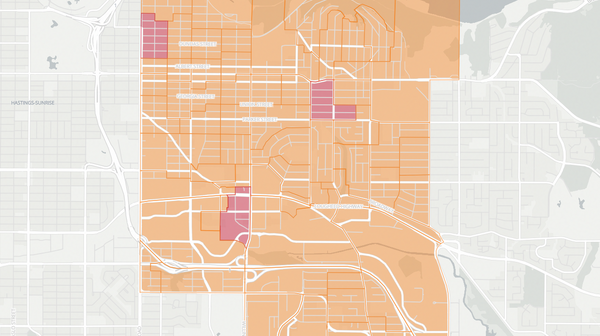
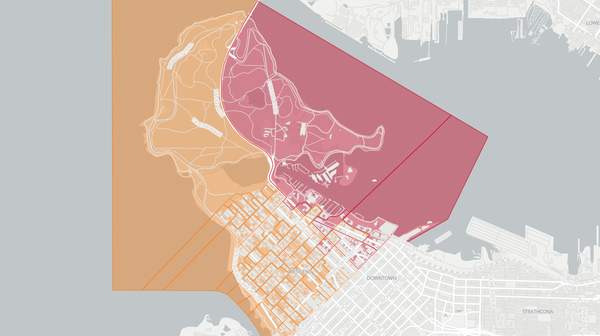
North Vancouver-Seymour — 2020 British Columbia Provincial Election Results Map
North Vancouver-Seymour — 2020 Election Results
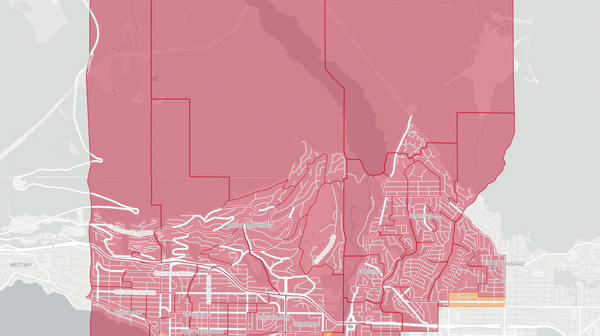
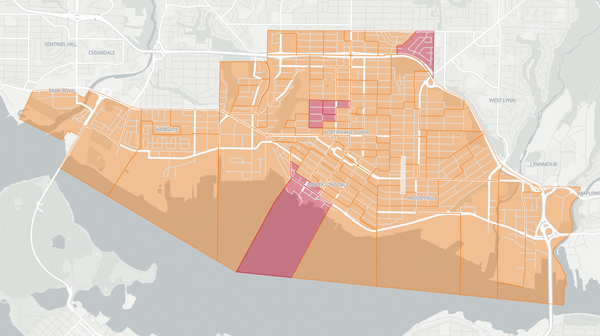
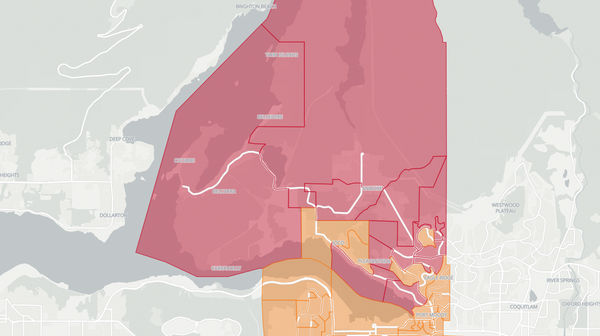
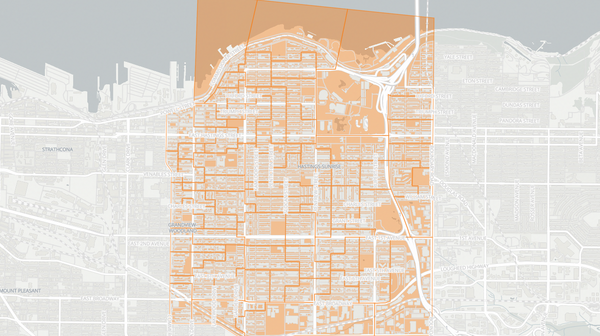
Poll-by-poll results for North Vancouver-Seymour in the 2020 British Columbia election. The BC NDP candidate won this riding. Explore detailed voting data, candidate results, and turnout statistics at the poll level.
Riding information
Auto generated. Flag an issue.North Vancouver—Seymour
North Vancouver—Seymour encompasses the more suburban and mountainous areas of the District of North Vancouver, including the communities of Deep Cove, Seymour Heights, Lynn Valley, and the neighbourhoods nestled against the North Shore mountains. The riding's character is defined by its proximity to wilderness — residents live at the edge of the coastal rainforest, with provincial parks, ski areas, and hiking trails beginning at their back doors. The local economy is largely residential and service-oriented, with most workers commuting across Burrard Inlet to Vancouver. The riding had been one of the safest BC Liberal seats in the province for nearly three decades, but the NDP's 2017 breakthrough in neighbouring North Vancouver—Lonsdale signalled that the political landscape on the North Shore was shifting.
The 2020 election tested whether that shift would reach into the Liberals' last remaining North Shore stronghold. The three-term Liberal incumbent sought re-election in a riding where transportation congestion, wildfire preparedness in the wildland-urban interface, and the Trans Mountain pipeline expansion's impact on Burrard Inlet were the defining issues.
Candidates
Susie Chant (BC NDP) — Chant was raised on the North Shore and had called the Lynn Valley home since 1988. She worked as a registered nurse in community care with Vancouver Coastal Health, and her nursing career included international experience teaching nursing students in Saipan in the Northern Mariana Islands and working in children's psychiatry in Hawaii. She served for more than 40 years in the Royal Canadian Navy Reserves and was active in her community through the Girl Guides of Canada and as a Sun Run clinic leader.
Jane Thornthwaite (BC Liberal Party) — Thornthwaite was first elected in 2009 and had previously worked as a registered dietitian nutritionist. Before entering provincial politics, she was the top vote-getter in the 2005 North Vancouver school board election. During the NDP government's term, she served in opposition and was seeking a fourth term in the legislature.
Harrison Johnston (BC Green Party) — Johnston was a young candidate who was studying to become a high school teacher. He worked as a chairlift operator, landscaper, and math tutor, and had been involved in organizing climate protests on the North Shore.
Clayton Welwood ran for the Libertarian Party.
Local Issues
Transportation congestion in the riding's more suburban and mountainous areas was shaped by the same fundamental constraint as in neighbouring North Vancouver—Lonsdale — the limited number of crossings over Burrard Inlet — but compounded by the riding's distance from the SeaBus terminal and the more limited transit options available east of the Lonsdale core. The Burrard Inlet Rapid Transit Study's five crossing options, released in October 2020, were closely watched in North Vancouver—Seymour, particularly the route concepts via the Second Narrows that could connect the North Shore to Brentwood Town Centre and Metrotown. For commuters in Deep Cove and the upper reaches of the district, who faced long drives to reach the highway interchanges before even beginning the crawl across a bridge, the promise of rapid transit was appealing but still far from realization. The completion of the Mountain Highway interchange as part of the Lower Lynn Corridor Improvement Project provided some incremental relief, but residents recognized that road improvements alone could not solve the structural deficit in cross-inlet capacity.
Wildfire preparedness carried particular urgency in a riding where many homes backed directly onto forested slopes and parkland. The District of North Vancouver had identified wildfire risk as a significant concern, and the 2017 and 2018 fire seasons elsewhere in the province heightened awareness among residents who lived in the wildland-urban interface along the North Shore mountains. The district's FireSmart program encouraged homeowners to reduce combustible vegetation around their properties, but the challenge of retrofitting established neighbourhoods — many built decades ago with minimal consideration of wildfire risk — was substantial. The Lions Gate Hospital Foundation had launched a fundraising campaign in 2019 for a new High Acuity Unit, reflecting the broader concern about whether the North Shore's sole acute-care hospital had the capacity to handle a major emergency, whether from wildfire, earthquake, or the kind of mass-casualty event that the area's geography made plausible.
Housing affordability, while the riding's property values were among the highest in Metro Vancouver, was a growing concern for younger residents and families seeking to enter the market. The cost of living in the District of North Vancouver was increasingly out of reach for the next generation, and debate centred on whether provincial housing policies — including the speculation and vacancy tax introduced in 2018 — were having their intended effect or merely shifting investment patterns without addressing the fundamental supply shortage. The district's approach to densification was more cautious than in the urban City of North Vancouver, and tensions between preserving the area's suburban, tree-covered character and accommodating the housing that younger families needed played out in municipal planning discussions that provincial candidates were drawn into.
The Trans Mountain pipeline expansion loomed as an environmental and safety issue with particular local resonance. The expansion would increase oil tanker traffic through Burrard Inlet to more than 400 vessels per year, and for residents of Deep Cove and communities along Indian Arm, the change was not abstract: large tankers would pass within clear sight of shorelines used for kayaking, swimming, and recreation. The federal approval in June 2019 had been contested by several First Nations and environmental groups, and while the courts upheld the decision, opposition on the North Shore remained strong. Residents who chose to live in the riding for its proximity to wilderness and outdoor recreation viewed the pipeline expansion as a threat to the very qualities that defined their community.