Vancouver-Mount Pleasant — 2020 British Columbia Provincial Election Results Map
Vancouver-Mount Pleasant — 2020 Election Results
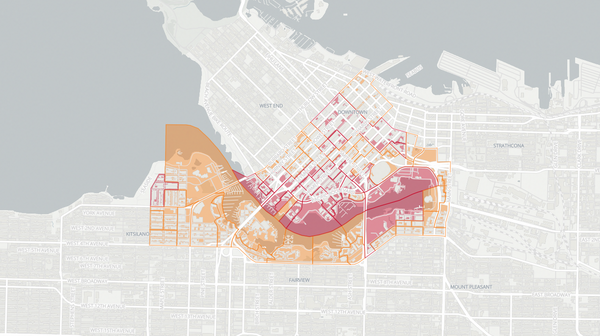
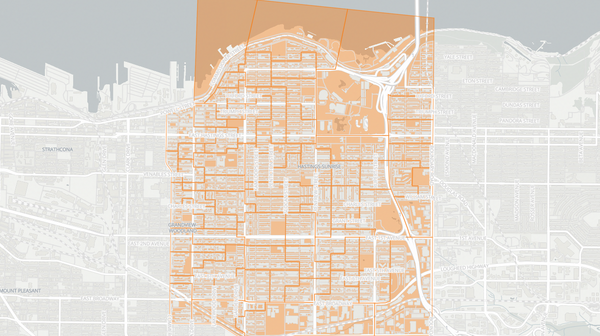
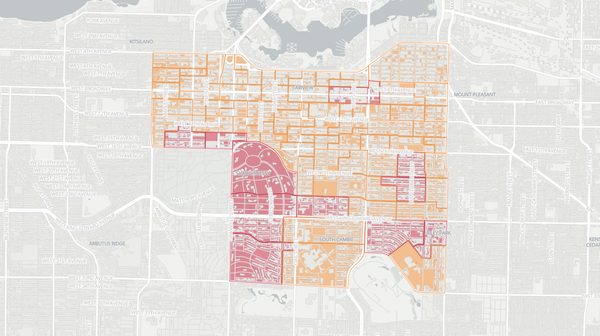
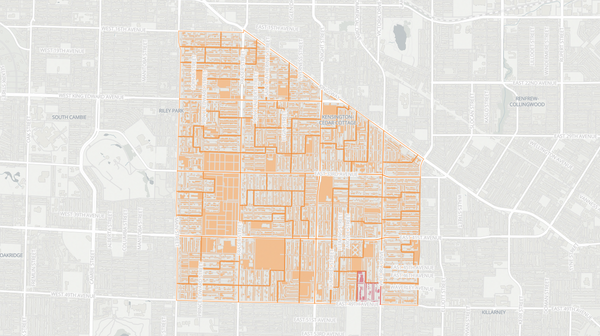
Poll-by-poll results for Vancouver-Mount Pleasant in the 2020 British Columbia election. The BC NDP candidate won this riding. Explore detailed voting data, candidate results, and turnout statistics at the poll level.
Riding information
Auto generated. Flag an issue.Vancouver-Mount Pleasant
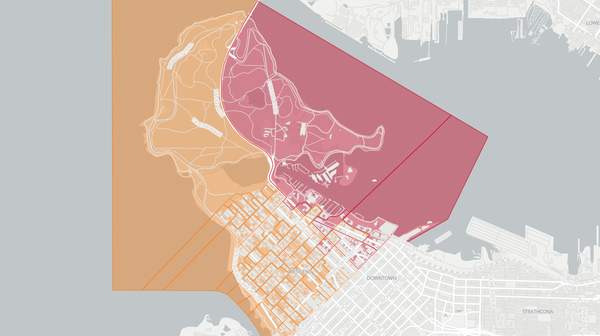
Vancouver-Mount Pleasant covers Vancouver's east side, taking in the Main Street corridor, Strathcona, parts of Chinatown and Gastown, and the western edge of the Downtown Eastside. It is a dense, eclectic urban riding with a mix of older walk-up apartments, artist studios, and rapidly gentrifying commercial strips. The neighbourhood has historically been home to lower-income residents, Indigenous communities, and immigrant families, though the growth of the tech sector around the False Creek Flats and the arrival of Emily Carr University on the Great Northern Way campus were reshaping the area's economic and demographic profile. The riding intersects with the epicentre of the province's opioid crisis along the Downtown Eastside.
Vancouver-Mount Pleasant is one of the safest NDP seats in British Columbia. The party has held the riding continuously since 1972, including during the 2001 Liberal landslide when the NDP was reduced to just two seats province-wide — and this was one of them. In 2020, the NDP incumbent sought re-election in a riding where housing affordability, the toxic drug supply, and the economic disruption of COVID-19 were daily realities for residents.
Candidates
Melanie Mark (BC NDP) — Mark is of Nisga’a, Gitxsan, Cree, and Ojibwe heritage and the granddaughter of residential school survivors. She made history in a 2016 by-election as the first First Nations woman elected to the BC Legislature. Before entering politics, she spent eight years with the Office of the Representative for Children and Youth, advocating for vulnerable young people in government care. As Minister of Advanced Education, Skills and Training from 2017 to 2020, she created the Provincial Tuition Waiver Program — which allowed youth aging out of foster care to attend post-secondary institutions tuition-free, benefiting over 1,100 students by 2019 — eliminated tuition for adult basic education and English language learning, and created the BC Access Grant.
Kelly Tatham (BC Green Party) — Tatham was a multidisciplinary artist, filmmaker, and systems thinker who had lived in the riding for approximately three years. She had over ten years of experience working in neighbourhood establishments including restaurants and breweries along the Main Street corridor. Her campaign focused on housing as a human right and incorporating mental health coverage into the provincial health system.
George Vassilas (BC Liberal Party) — Vassilas had a background in sales and leadership and served as president of AHEPA Canada, through which he built relationships across the Canadian business and political communities. He speaks English, French, and Greek and had been a volunteer with AHEPA for over 20 years.
Local Issues
The transformation of Mount Pleasant's industrial lands into a technology and creative industries hub accelerated during the 2017–2020 term, reshaping the riding's economic geography. In 2017, Vancouver City Council approved zoning updates to the area east of Main Street designated as the digital district, permitting larger buildings to support the innovation economy. Emily Carr University of Art and Design had completed its move to the Great Northern Way campus in 2017, anchoring a growing post-secondary cluster alongside the Centre for Digital Media and Vancouver Community College. The False Creek Flats Plan, also adopted in 2017, projected an additional 9,600 jobs in the area by 2041. While these developments promised employment growth, they also intensified commercial rent pressures that squeezed out artist studios, small manufacturers, and the independent shops that had long defined the neighbourhood's character along the Main Street corridor between Broadway and 33rd Avenue.
The opioid poisoning crisis deepened throughout the NDP's term, with the cumulative provincial death toll surpassing 5,000 by 2020. The Downtown Eastside, which overlaps with the riding's western boundary, remained the epicentre of the fentanyl emergency. The NDP government expanded harm reduction services and opened additional supervised consumption sites during its tenure, but advocates argued the pace of change remained insufficient. The arrival of COVID-19 in March 2020 compounded the crisis sharply — physical distancing measures disrupted outreach services and drop-in centres, the toxic drug supply became more unpredictable as border restrictions disrupted smuggling routes, and isolation increased the risk for people using drugs alone. Single-room-occupancy hotels in the adjacent Downtown Eastside continued to close due to building fires, unsafe conditions, and redevelopment pressure, further shrinking the stock of deeply affordable housing.
Housing affordability and the displacement of low-income residents remained the riding's most persistent structural challenge. The NDP government's Rental Housing Task Force had produced 23 recommendations in December 2018, leading to legislative changes that tied rent increases to inflation, eliminated the fixed-term lease loophole that landlords had used to circumvent rent controls, and introduced new penalties for bad-faith evictions. While these measures provided some stability for existing tenants, they did little to expand the overall supply of affordable units in a neighbourhood where commercial success continued to drive up land values. The provincial government purchased several hotels during the pandemic for conversion to supportive housing, but the net loss of deeply affordable rooms continued to outpace new construction.
Mark's work as Minister of Advanced Education had direct relevance to the riding's Indigenous community. The Provincial Tuition Waiver Program she championed provided tuition-free post-secondary access at 25 public institutions and 10 union training providers for youth aging out of government care — a population disproportionately Indigenous. Broader questions about reconciliation, the adequacy of child welfare supports, and the legacy of the residential school system intersected with every other issue in a riding with one of Vancouver's most significant Indigenous populations.