Vancouver-False Creek — 2020 British Columbia Provincial Election Results Map
Vancouver-False Creek — 2020 Election Results
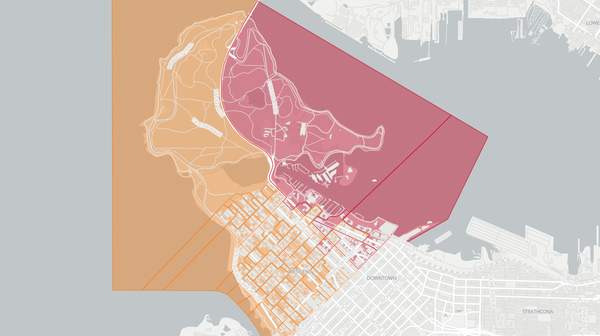
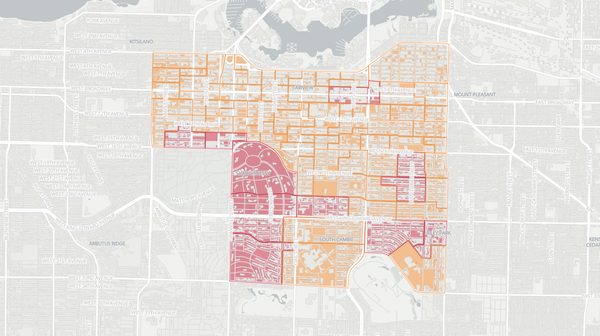
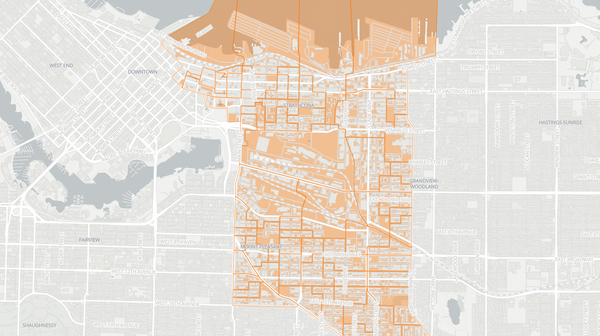
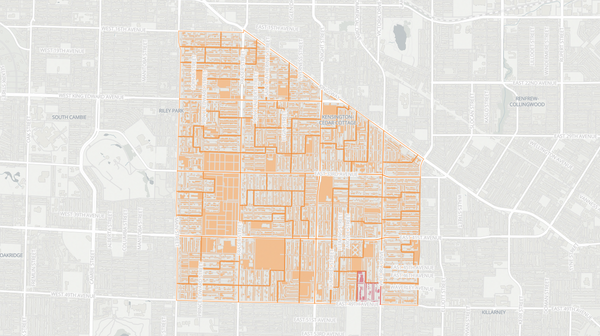
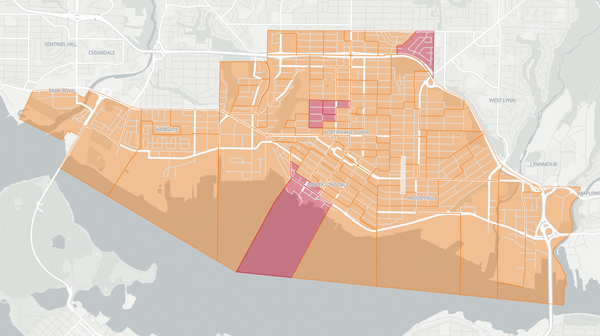
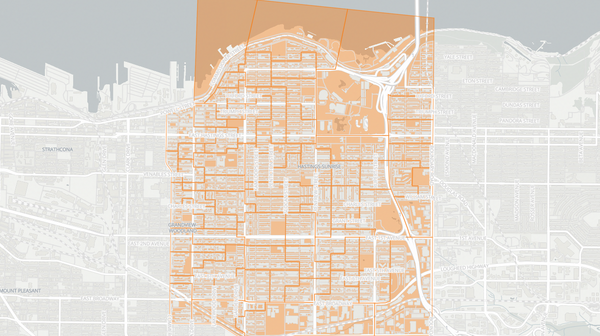
Poll-by-poll results for Vancouver-False Creek in the 2020 British Columbia election. The BC NDP candidate won this riding. Explore detailed voting data, candidate results, and turnout statistics at the poll level.
Riding information
Auto generated. Flag an issue.Vancouver-False Creek
Vancouver-False Creek is an urban, condo-heavy riding encompassing much of downtown Vancouver's southern fringe, including the high-rise towers of Yaletown, the Olympic Village waterfront development, Crosstown, and the co-operative housing communities along the south shore of False Creek. The constituency is one of the most densely populated in British Columbia, with a mix of young professionals in market condominiums and longtime residents of social housing co-ops whose leases on city-owned land were approaching expiration. The riding's economy is driven by the tech sector, hospitality, and service industries concentrated along its commercial streetscapes.
The BC Liberals had held Vancouver-False Creek since the riding's creation in 2009, but by increasingly narrow margins — the 2017 contest was decided by just 560 votes. The NDP's growing strength in central Vancouver made this one of the province's top pickup targets heading into the 2020 election. With the condo-dwelling demographic trending away from the Liberals and the NDP riding a wave of pandemic-era popularity, the riding was widely seen as a bellwether for the party's ability to consolidate its hold on urban Vancouver.
Candidates
Brenda Bailey (BC NDP) — Raised in Nanaimo, Bailey graduated from McGill University with a degree in political science and international relations and later earned a social work degree from the University of Victoria. She co-founded Deep Fried Entertainment, a video game studio, in 2005, and in 2010 co-founded Silicon Sisters Interactive, described as Canada's first women-owned video game studio. She also co-founded Women in Games Vancouver and served as executive director of Big Sisters of BC Lower Mainland before being appointed executive director of DigiBC, the Interactive and Digital Media Industry Association of British Columbia, in 2018.
Sam Sullivan (BC Liberal Party) — Sullivan grew up in East Vancouver, where a skiing accident at age 19 left him with near-complete paralysis after fracturing his cervical vertebrae. He earned a business administration degree from Simon Fraser University, served as a Vancouver city councillor from 1993 to 2005, and was elected mayor of Vancouver in 2005, serving one term. He was invested as a Member of the Order of Canada. Sullivan won the Vancouver-False Creek seat in 2013 and held it through a narrow re-election in 2017.
Maayan Kreitzman (BC Green Party) — Kreitzman had recently completed a PhD at UBC's Institute for Resources, Environment and Sustainability. She was a coordinator and spokesperson for Extinction Rebellion Vancouver and campaigned on the threat of sea-level rise to the riding's low-lying waterfront neighbourhoods.
Erik Gretland ran for the Conservatives and Naomi Chocyk for the Libertarian Party.
Local Issues
The future of False Creek South's co-operative and affordable housing stock became increasingly urgent during the NDP's term. Approximately 1,850 housing units in the neighbourhood — a mix of co-ops, non-market rentals, and leasehold strata — sat on city-owned land with leases that would begin expiring in the 2030s. In 2017, the co-ops, the Co-operative Housing Federation of BC, and the City of Vancouver had completed an extensive consultation process that ended with a report outlining the framework for lease negotiations. Vancouver Council approved a Resident Protection and Retention Plan in 2018, but actual lease negotiations stalled under the municipal administration that took office after the October 2018 civic election. By early 2020, no lease renewals had been signed, and residents faced the prospect of displacement if the lands were ultimately redeveloped at market rates. The issue exemplified the broader tension between development pressures and the preservation of affordability in one of Vancouver's most desirable waterfront locations.
The planned demolition of the Georgia and Dunsmuir viaducts and the redevelopment of northeast False Creek remained in limbo throughout the NDP's term. When Vancouver Council fully approved the demolition plan in early 2018, it was anticipated that the arterial road bridges would come down starting in 2020. But escalating cost estimates — from $130 million in 2013 to $200 million in 2015 to $360 million by the later projections — and unresolved questions about funding sources pushed the timeline indefinitely. The northeast False Creek plan envisioned a new waterfront neighbourhood with 1,800 units of social housing, a cultural centre, childcare facilities, and public plazas, but none of this could proceed until the viaducts were removed and the road network reconfigured. For riding residents, the stalled project symbolized the difficulty of translating ambitious urban visions into concrete action.
The COVID-19 pandemic hit the riding's hospitality and service sectors hard. Yaletown's restaurants, bars, and retail businesses faced months of restrictions, and the area's typically busy streetscape was noticeably subdued during the campaign period. The tech sector, which was central to Bailey's professional background and campaign platform, fared somewhat better as many firms shifted to remote work, but the pandemic still disrupted smaller studios and startups. The NDP's emergency business supports — including commercial rent subsidies and small business grants — provided some relief, but many operators in Yaletown and Crosstown questioned whether the assistance was reaching them quickly enough.
The NDP's record on housing policy was central to the party's pitch in the riding. The speculation and vacancy tax, the strengthened foreign buyers surtax, and new renter protections — including the pandemic-era eviction moratorium — were designed to address the affordability crisis in one of Vancouver's most densely developed constituencies. The Liberals countered that supply-side approaches to development, rather than demand-side taxes, were the key to bringing housing costs down. In a riding that contained both the social housing co-ops of south False Creek and the market-rate condominium towers of Yaletown and the Olympic Village, the debate over housing policy was unusually concrete and personal.