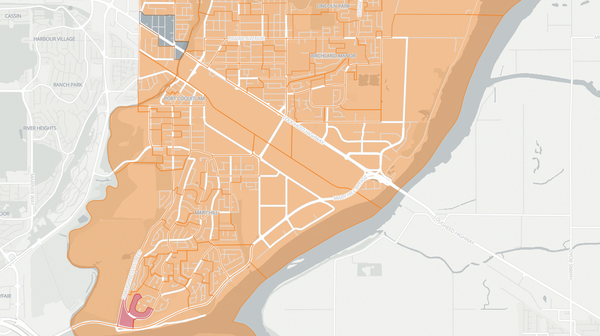
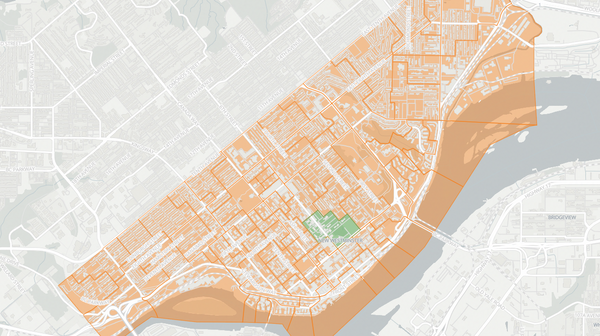
Port Moody-Coquitlam — 2020 British Columbia Provincial Election Results Map
Port Moody-Coquitlam — 2020 Election Results
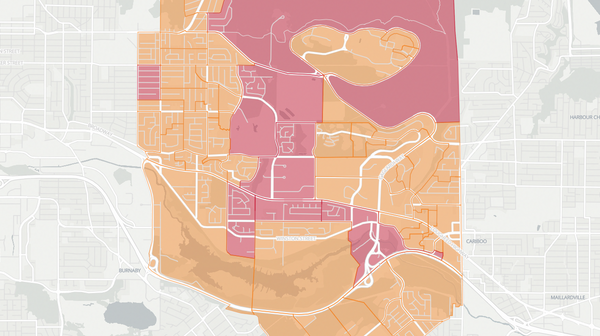
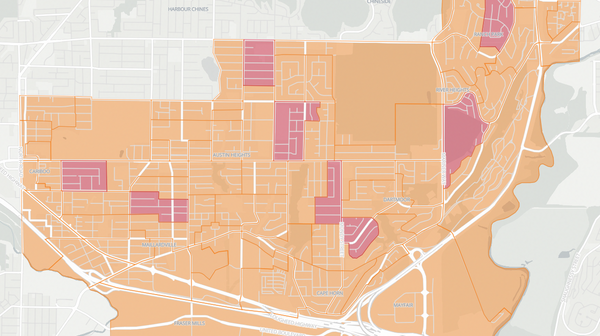
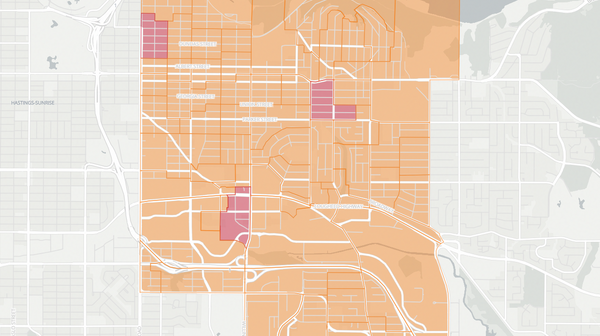
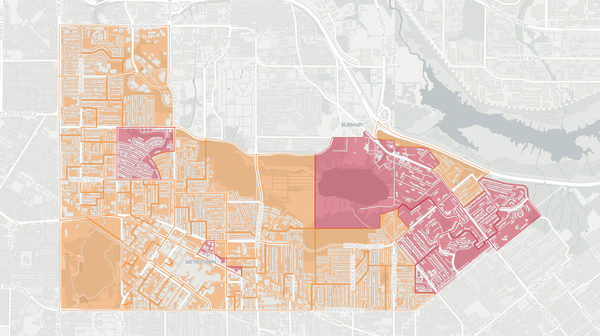
Poll-by-poll results for Port Moody-Coquitlam in the 2020 British Columbia election. The BC NDP candidate won this riding. Explore detailed voting data, candidate results, and turnout statistics at the poll level.
Riding information
Auto generated. Flag an issue.Port Moody—Coquitlam
Port Moody—Coquitlam encompasses the city of Port Moody, the villages of Anmore and Belcarra, and parts of western Coquitlam—a suburban corridor in Metro Vancouver that was undergoing rapid densification following the 2016 opening of the Evergreen SkyTrain Extension. Port Moody had long prided itself on a quieter, more intimate character than its larger neighbours, but high-rise development proposals around SkyTrain stations and the impending redevelopment of the Flavelle sawmill site on the waterfront were transforming the community. Housing affordability was eroding as prices climbed steadily, and the riding's commuter-heavy population felt the pinch of rising auto insurance costs.
Politically, the seat had been a razor-thin swing riding. The NDP captured it by fewer than 1,900 votes in 2017, breaking the BC Liberals' hold on this piece of their suburban Metro Vancouver coalition. The 2020 contest, with five candidates on the ballot, tested whether that breakthrough was a one-time occurrence or part of a durable realignment in the Tri-Cities.
Candidates
Rick Glumac (BC NDP) — Glumac held a Bachelor of Applied Science in electronics engineering from Simon Fraser University and had built a career in computer graphics and visual effects, working as a software developer and graphics supervisor on productions including the pioneering animated series ReBoot and later on films at DreamWorks and Electronic Arts. He was elected to Port Moody city council in 2011 and re-elected in 2014 with the highest vote total of any council candidate before winning the provincial seat in 2017.
James Robertson (BC Liberal Party) — Robertson was a leadership coach and management consultant who had served in the Canadian Armed Forces, including combat action in Afghanistan while commanding elements of Canada's Special Forces. After retiring from active service, he completed an MBA at Royal Roads University and worked as a leadership team coach at Vancouver Coastal Health. He served as a board member and volunteer with the Port Moody Arts Centre Society and the Burrard Inlet Marine Enhancement Society.
John Latimer (BC Green Party) — Latimer was a professional mechanical engineer and the founder of Northern Climate Pathways, a company focused on carbon literacy and product carbon footprint labelling. He ran on a platform of green business investment and sustainable job creation in the Tri-Cities.
Brandon Fonseca ran for the BC Conservative Party and Logan Smith for the Libertarian Party, both receiving minimal support.
Local Issues
The Flavelle sawmill site on the Port Moody waterfront became a focal point for the riding's densification debate during the NDP's first term. In July 2017, Port Moody council had approved a vision for the Flavelle Oceanfront Development—a proposal featuring roughly 3,400 residential units across eleven towers ranging from sixteen to thirty-eight storeys, along with commercial and light-industrial space. In May 2018, the Metro Vancouver Regional Board agreed to redesignate the site from industrial to general urban, clearing a key regulatory hurdle. By late August 2020, the Flavelle mill announced it would close operations by the end of October, accelerating timelines for redevelopment. The project crystallized the tension between Port Moody's identity as a quieter, more intimate suburban city and the pressures of transit-oriented growth—residents who had moved to the community precisely for its smaller scale found themselves confronting a vision of towers and density that rivalled anything in neighbouring Coquitlam or Burnaby.
The broader pace of high-rise development around SkyTrain stations continued to divide the community beyond the Flavelle site. Development proposals for towers near Moody Centre and Inlet Centre stations multiplied after the Evergreen Extension opened in 2016, and the provincial government's push for transit-oriented development added pressure on local councils to approve density. The city's Official Community Plan became a battleground, with community surveys on densification drawing some of the highest participation rates in Port Moody's history—and opponents charging that the results were being disregarded in favour of developer-driven growth. The Anmore South development proposal by Icona Properties, which would have added thousands of residents near the Port Moody border, raised additional concerns about traffic overload on Ioco Road and impacts on sensitive ecosystems including Mossom Creek and Bert Flinn Park.
Housing affordability remained a central concern across the Tri-Cities despite the volume of new construction. The gap between household incomes and housing costs had widened during the NDP's first term, and many families who had been drawn to Port Moody and Coquitlam as more affordable alternatives to Vancouver found themselves priced out. Provincial measures such as the speculation and vacancy tax and the foreign buyers' surcharge had been introduced, but their impact on suburban communities like Port Moody was a matter of ongoing debate. The NDP government's transition of ICBC to an Enhanced Care model—which the party credited with reducing average premiums by roughly twenty percent—was a pocketbook issue that resonated in a commuter-heavy riding where auto insurance costs had been a persistent frustration.
The COVID-19 pandemic added urgency to health care discussions in the riding. Port Moody residents relied on facilities in Coquitlam, Burnaby, and New Westminster for hospital-level care, and the strain on the regional health system during the pandemic's first wave raised questions about the adequacy of health infrastructure in one of Metro Vancouver's fastest-growing corridors. Mental health and addiction services were another concern, as the Tri-Cities experienced rising overdose numbers in line with the province-wide opioid crisis. The NDP government's handling of the pandemic—including its decision to call a snap election during a public health emergency—was itself a campaign issue, with opposition candidates arguing that the election was unnecessary and poorly timed.