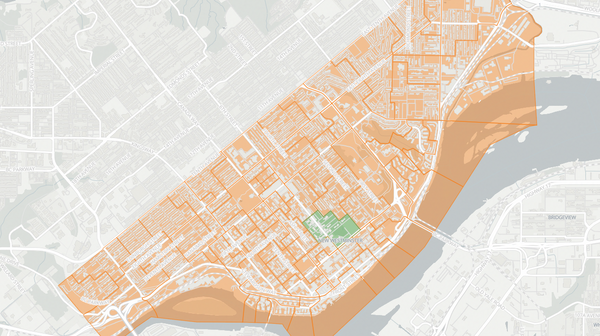
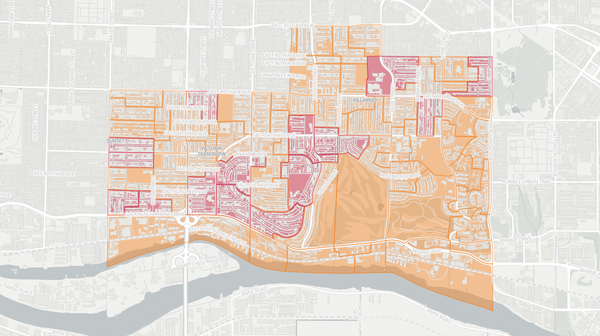
Burnaby-Deer Lake — 2020 British Columbia Provincial Election Results Map
Burnaby-Deer Lake — 2020 Election Results
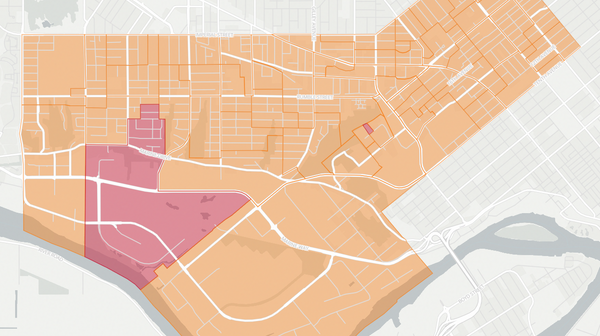
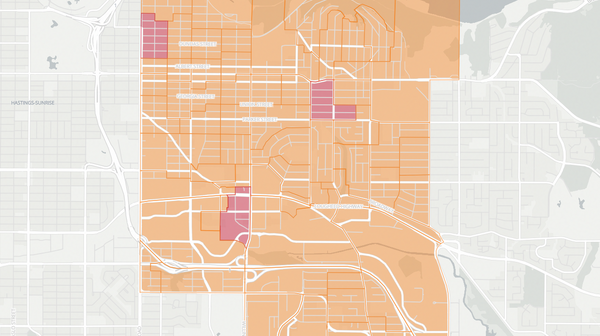
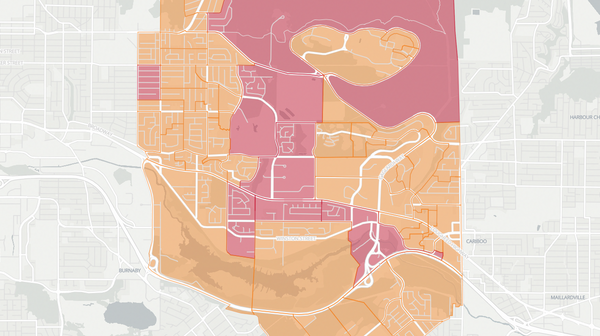
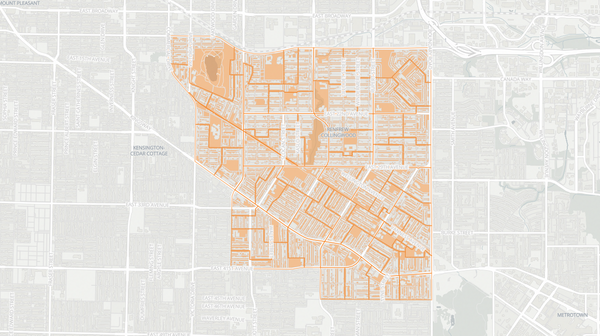
Poll-by-poll results for Burnaby-Deer Lake in the 2020 British Columbia election. The BC NDP candidate won this riding. Explore detailed voting data, candidate results, and turnout statistics at the poll level.
Riding information
Auto generated. Flag an issue.Burnaby—Deer Lake
Burnaby—Deer Lake is centred on the green expanse of Deer Lake Park and extends into the rapidly densifying Metrotown area, one of Metro Vancouver's designated regional town centres. The riding encompasses some of the most intensively developed urban land in the Lower Mainland, with high-rise towers reshaping the skyline around the Metrotown SkyTrain station while established single-family neighbourhoods surround the lake. The area's population is among the most ethnically diverse in British Columbia, with large Chinese, Taiwanese, Korean, and South Asian communities. The Metrotown rental crisis — driven by the demolition of older affordable apartment buildings to make way for condominium towers — had become a defining issue since the mid-2010s.
The NDP won the seat in 2017 after it had been held by the BC Liberals, and the first-term NDP incumbent sought re-election in 2020. A three-candidate race tested whether the NDP could consolidate the seat in a riding where transit-oriented densification and rental affordability had reshaped the political landscape.
Candidates
Anne Kang (BC NDP) — Kang was the incumbent MLA and Minister of Citizens' Services. Born in Changhua County, Taiwan, she immigrated to Canada as a child and had lived in Burnaby since 1986. She held a Bachelor of Music, a Bachelor of Education, and a Diploma in Special Education from UBC. Before entering provincial politics, she served three terms on Burnaby City Council beginning in 2008, working on the Environment Committee and serving as Council Liaison for the Public Library Board.
Glynnis Hoi Sum Chan (BC Liberal Party) — Chan was a businesswoman who had immigrated from Hong Kong in 1980 and operated the travel company Happy Times Travel & Tour since 1984, with additional ventures in highway coach lines. She was a long-time Burnaby resident of more than 35 years.
Mehreen Chaudry (BC Green Party) — Chaudry held an MBA from the University of Illinois Springfield and a BA in International Business and Economics. She had twelve years of experience as a project manager and had run for Burnaby City Council with the Green Party in the 2018 municipal election.
Local Issues
The NDP government's legislative response to the Metrotown rental crisis had been tested in real time since 2017. In 2019, Burnaby became the first municipality in British Columbia to use new provincial legislation enabling cities to zone specifically for rental housing — a tool the NDP had introduced to protect existing rental stock from redevelopment into condominiums. Under the Rental Use Zoning Policy, developers in designated areas were required to include market and non-market rental units in new projects. The city also adopted a strengthened tenant assistance policy in late 2019, requiring developers who demolished buildings of five or more units to guarantee displaced tenants equivalent apartments in the new building at their previous rent, with a suitable replacement unit provided during construction. Whether these combined municipal and provincial measures were adequate to stem the loss of affordable rental stock — as older low-rise buildings continued to be targeted by developers across the Metrotown neighbourhood — remained fiercely debated.
The NDP's suite of housing demand measures introduced during its minority term had been in effect long enough for residents to assess their impact. The speculation and vacancy tax, set at two per cent for foreign owners and 0.5 per cent for Canadian citizens and permanent residents, had been credited with bringing thousands of previously vacant properties onto the rental market across Metro Vancouver. The foreign buyers tax surcharge, raised from fifteen to twenty per cent and expanded to cover the Fraser Valley, had moderated some speculative demand. Yet benchmark home prices in Burnaby remained among the highest in the region, and residents near Deer Lake Park and the Metrotown core questioned whether the tools had done enough to make ownership accessible to young families or to protect the affordability of a neighbourhood undergoing rapid transformation.
Transit and densification were interlinked concerns. The Metrotown SkyTrain station was one of the busiest in the system, and the neighbourhood's designation as a regional growth centre brought pressure to accommodate thousands of new residents in towers that were reshaping the skyline. Community groups pressed for investment in amenities to keep pace with the population surge, including expanded recreation facilities, additional park space, and school capacity. The Bonsor Recreation Complex near Metrotown had undergone upgrades — including new music practice rooms and a dedicated spinning studio — but residents argued that the rate of community infrastructure investment lagged far behind the pace of residential tower approvals.
The pandemic introduced new challenges to an already strained rental market. COVID-19 had disrupted the incomes of service-sector workers who formed a significant portion of the Metrotown neighbourhood's population, and the NDP government had responded with a temporary eviction ban and a $500-per-month rental supplement for tenants who had lost income. These emergency measures were debated as both necessary short-term supports and potential sources of longer-term market distortion, particularly in a neighbourhood where the gap between older below-market rents and new-build asking prices was already vast.