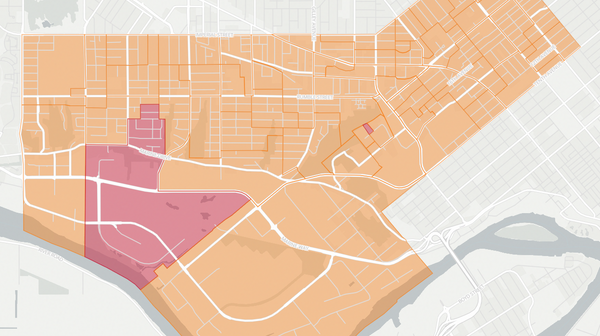
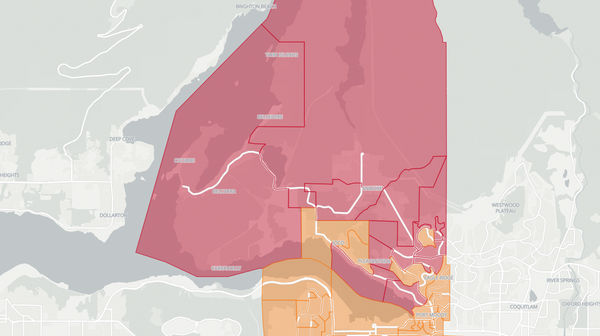
Burnaby-Lougheed — 2020 British Columbia Provincial Election Results Map
Burnaby-Lougheed — 2020 Election Results
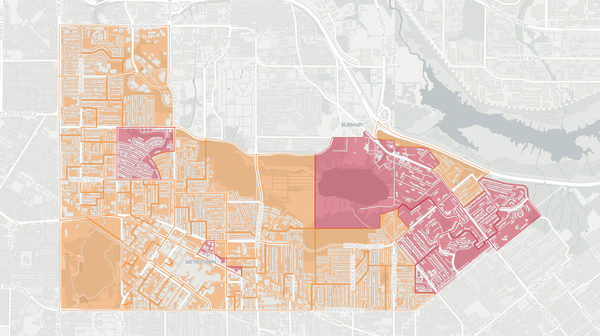
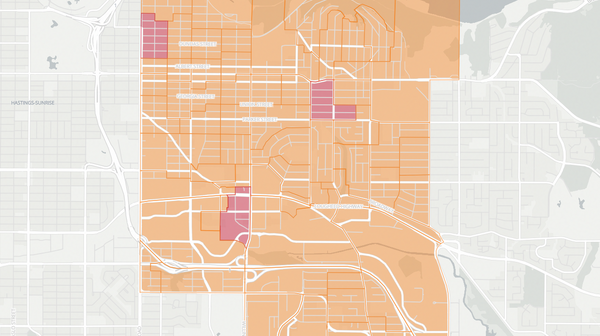
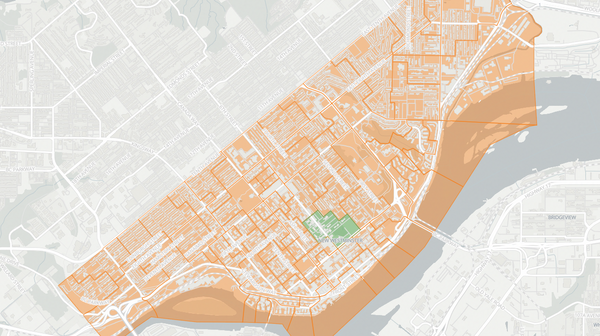
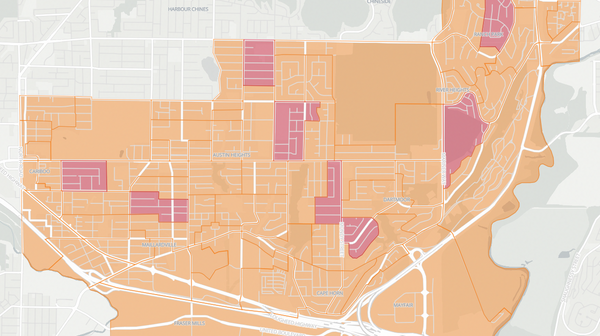
Poll-by-poll results for Burnaby-Lougheed in the 2020 British Columbia election. The BC NDP candidate won this riding. Explore detailed voting data, candidate results, and turnout statistics at the poll level.
Riding information
Auto generated. Flag an issue.Burnaby—Lougheed
Burnaby—Lougheed sits in the northeast corner of Burnaby, encompassing the Simon Fraser University campus on Burnaby Mountain, the Lougheed Town Centre mall and SkyTrain station, and the residential neighbourhoods between them. The area has significant Taiwanese, Chinese, and Korean Canadian communities and a high concentration of young families drawn by relative affordability compared to Vancouver. The Lougheed Town Centre area was undergoing a massive transformation, with a master-planned redevelopment approved for roughly forty acres around the SkyTrain station that would add more than twenty high-rise towers and house over 10,000 new residents upon full build-out.
The NDP took the seat in 2017, and the first-term incumbent sought re-election in 2020. A three-candidate contest in this rapidly densifying riding tested whether the NDP's childcare and housing agenda would hold the seat against Liberal and Green challengers in a pandemic-era snap election.
Candidates
Katrina Chen (BC NDP) — Chen was the incumbent MLA and Minister of State for Child Care. Born and raised in Taichung, Taiwan, she immigrated to Canada on her own and earned a Bachelor of Arts in political science from Simon Fraser University and a certificate in immigration law from UBC. Before her election, she served as a Burnaby school trustee and worked in constituency offices for NDP representatives for more than a decade. Since taking office, she had overseen the launch of the ChildCareBC plan, which introduced $10-a-day pilot sites at select centres across the province and created thousands of new licensed childcare spaces.
Tariq Malik (BC Liberal Party) — Malik was a Burnaby-based entrepreneur with over 30 years of experience in Canada across sectors including construction, property development, real estate, and franchise restaurant businesses. He had been elected president of the Greater Vancouver Bangladesh Cultural Association and founded the Vancouver Bangla School.
Andrew Williamson (BC Green Party) — Williamson was an award-winning documentary film producer whose credits included works on environmental themes. He had directed the Burnaby Climate Hub for Climate Reality, delivering presentations on climate change since 2015. His campaign priorities included climate action, universal childcare, and affordable housing.
Dominique Paynter (Libertarian) received a minor share of the vote.
Local Issues
Childcare affordability and access were closely associated with this riding thanks to Chen's ministerial portfolio. The NDP government had launched $10-a-day pilot sites that reduced average monthly costs from approximately $1,000 to a maximum of $200 per child, and had funded the creation of close to 1,000 new licensed spaces in Burnaby alone. The SFU Childcare Society, located within the riding's boundaries near Simon Fraser University, was among the facilities designated as a $10-a-day site. But demand continued to far outstrip supply, with wait times stretching to years across Metro Vancouver. By early 2020, the province acknowledged that only about sixteen per cent of the 22,000 new spaces promised in 2018 had opened, drawing criticism that the timeline was unrealistic. In a riding with a high concentration of young families — both near SFU and in the new condominiums around Lougheed Town Centre — the gap between the program's ambitions and its delivery was a recurring theme at candidates' forums.
The physical transformation of the Lougheed Town Centre area had accelerated since the 2017 election. Shape Properties, which owned the existing shopping mall, had received final approval in July 2018 for Phase One of a master-planned redevelopment encompassing roughly forty acres around the SkyTrain station. The plan called for twenty-three new high-rise towers, the first standing fifty-five storeys tall, with the intention of housing more than 10,000 residents upon full build-out. Construction on the initial towers was underway during the 2020 campaign, and residents debated whether the scale of the development would deliver the community amenities — parks, school capacity, childcare centres, and transit improvements — necessary to support such a dramatic population increase in a neighbourhood that had been defined by its low-rise character.
The Trans Mountain pipeline expansion, with its terminal located in neighbouring Burnaby, remained a concern. The federal government's 2018 purchase of the project had removed the uncertainty about whether construction would proceed, and work had resumed at the Burnaby Terminal and Westridge Marine Terminal after federal reapproval in June 2019. Protesters had returned to Burnaby Mountain in 2019, and community opposition remained vocal. Chen and the NDP had opposed the expansion while in opposition but had limited jurisdiction over the federally approved project, leaving the party to focus its messaging on the province's broader climate commitments.
Housing affordability and the NDP's demand-side measures continued to be debated. The speculation and vacancy tax had been in effect since 2018, and the foreign buyers tax surcharge had been raised to twenty per cent and expanded geographically. Rental construction incentives offered by both the province and the city aimed to ensure that new development around the Lougheed SkyTrain station included purpose-built rental stock. Yet residents expressed frustration that the wave of new towers was predominantly composed of market-rate condominiums priced well beyond the reach of moderate-income households, and that the loss of older affordable rental buildings to redevelopment was outpacing the creation of new below-market units.