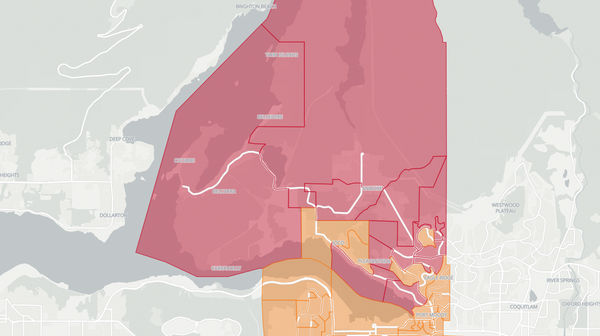
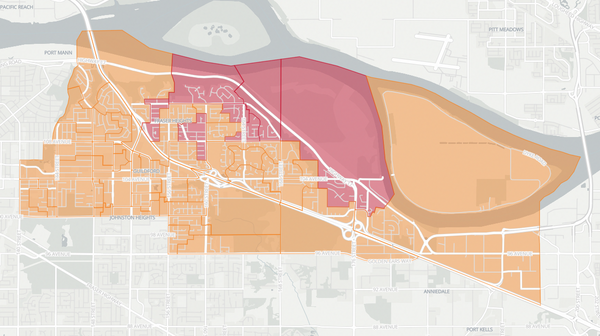
Coquitlam-Maillardville — 2020 British Columbia Provincial Election Results Map
Coquitlam-Maillardville — 2020 Election Results
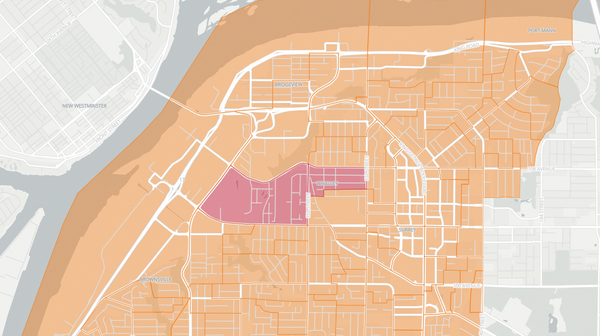
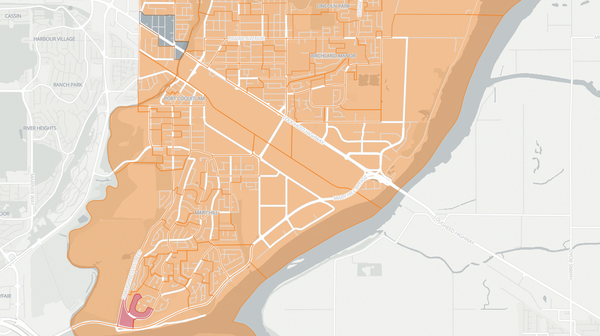
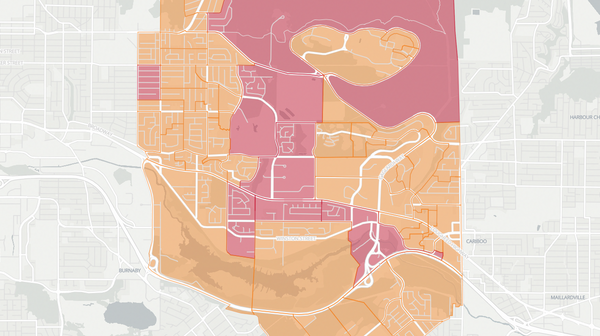
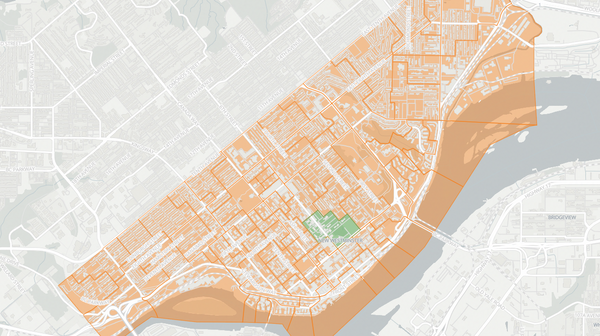
Poll-by-poll results for Coquitlam-Maillardville in the 2020 British Columbia election. The BC NDP candidate won this riding. Explore detailed voting data, candidate results, and turnout statistics at the poll level.
Riding information
Auto generated. Flag an issue.Coquitlam-Maillardville
Coquitlam-Maillardville encompasses the working-class heart of Coquitlam, including the historic Francophone neighbourhood of Maillardville — one of the oldest French-Canadian communities west of Manitoba — and the Austin Heights commercial district. Unlike the newer subdivisions of Burke Mountain next door, the riding is characterized by established residential neighbourhoods, aging apartment stock, and a diverse population with strong roots in the community. Many residents are renters, and affordability had been the riding's dominant political issue for years. The NDP had held the seat since 2013, winning it that year by just 41 votes after a judicial recount, and the two-term NDP incumbent sought a third mandate in a riding where the party's support had grown more comfortable over two election cycles.
Candidates
Selina Robinson (BC NDP) — Robinson was the incumbent MLA and Minister of Municipal Affairs and Housing. First elected in 2013 by a margin of just 41 votes after a judicial recount, she had been re-elected more comfortably in 2017. Born in Montreal, she held a master's degree in counselling psychology from Simon Fraser University and had previously worked as associate executive director of the Jewish Family Service Agency and served as a Coquitlam city councillor.
Will Davis (BC Liberal Party) — Davis was a bilingual small business owner originally from Quebec. He described himself as a broadcaster, artist, not-for-profit executive, and father involved in community sports coaching and as chair of the Parent Advisory Council serving three Maillardville schools.
Nicola Spurling (BC Green Party) — Spurling was a small business owner, LGBTQ2+ advocate, and political commentator who served as a panelist on CBC's The Early Edition. She was president and founder of Tri-Cities Pride and had successfully petitioned for the inclusion of gender identity and gender expression in the BC Human Rights Code. She also served as the Lower Mainland representative for the BC Green Party.
Local Issues
Housing affordability was the overriding concern in a riding where many residents were renters in aging apartment buildings. Robinson's portfolio as housing minister made her both a target and a champion on this issue, depending on the voter's perspective. The NDP government's signature policy — the speculation and vacancy tax introduced in 2018 — had generated measurable revenue in the Tri-Cities, with Coquitlam alone collecting $2.2 million from foreign-owned properties in 2020. Robinson argued the tax had converted thousands of empty units into rentals across the province, but vacancy rates in the Tri-Cities remained stubbornly low and rents continued to rise. The government's rent increase cap, tied to inflation, provided some protection for existing tenants but did little for newcomers searching for a unit in a market where a one-bedroom apartment could command $1,500 or more per month. Candidates debated whether the NDP's interventionist approach was working or whether more aggressive measures — or a different strategy entirely — were needed.
The opioid crisis had intensified dramatically during the 2017-2020 period. British Columbia recorded its highest-ever annual death toll from illicit drug toxicity in 2018, and the numbers continued to climb. In the Tri-Cities, first responders reported increasing call volumes for overdose events, and community organizations scrambled to expand naloxone distribution and harm reduction programming. The COVID-19 pandemic compounded the crisis by disrupting treatment programs, closing drop-in centres, and increasing isolation among vulnerable populations. Constituents wanted to see tangible local responses — including expanded access to supervised consumption services, addiction treatment beds, and mental health counselling — and the provincial government's record on these fronts became a point of contention between the candidates.
Transit remained a sore point in Coquitlam-Maillardville. None of the Evergreen Extension's SkyTrain stations fell within the riding's boundaries, and residents who relied on buses to reach Coquitlam Central or Lougheed Town Centre stations faced crowded routes and inconsistent schedules. The NDP government's broader investment in TransLink — including the approval of Phase Two of the Mayors' Council Ten-Year Vision — promised long-term improvements, but the daily experience of riders in Maillardville and Austin Heights was one of lengthy commutes to employment centres in Vancouver and Burnaby. Calls for improved bus frequency, additional express routes, and better integration between bus and SkyTrain schedules were a persistent theme at all-candidates forums.
The pandemic's economic fallout weighed heavily on the riding's small business community. Restaurants, shops, and service providers along the Brunette Avenue and Austin Heights corridors had suffered through months of reduced foot traffic and enforced closures. The NDP government's BC Recovery Benefit — a one-time tax-free payment of up to $1,000 for families — and the Small and Medium Sized Business Recovery Grant were debated as either lifelines or insufficient half-measures. For a riding where many households lived paycheque to paycheque, the interplay between pandemic relief, housing costs, and the broader cost of living shaped the campaign's central question: whether the NDP's management of the province's challenges merited a renewed mandate.