New Westminster — 2020 British Columbia Provincial Election Results Map
New Westminster — 2020 Election Results
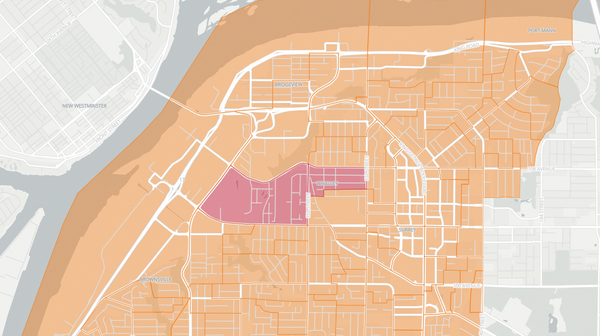
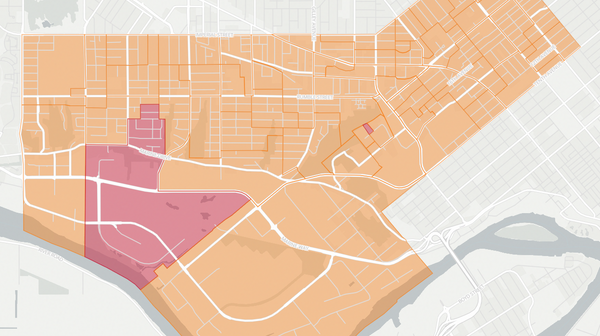
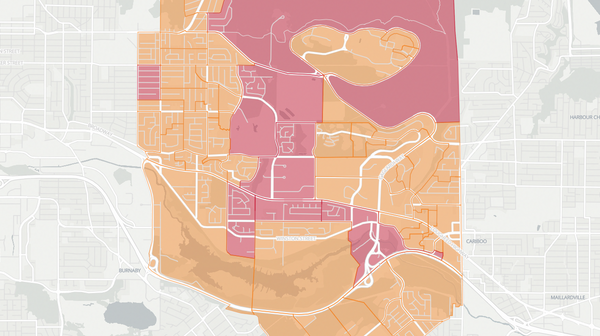
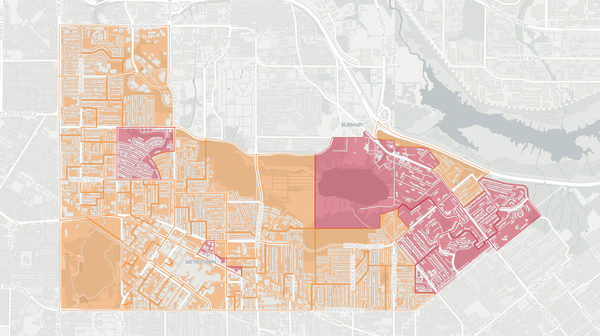
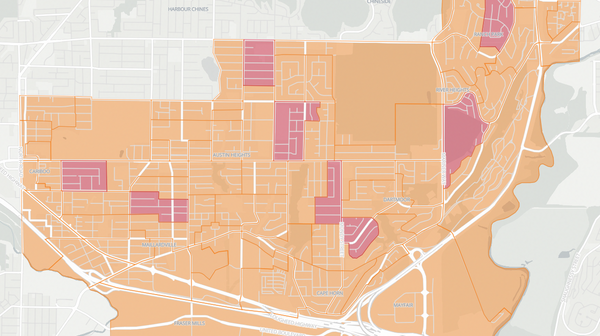
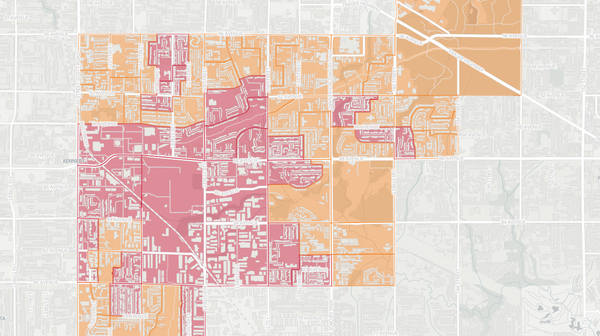
Poll-by-poll results for New Westminster in the 2020 British Columbia election. The BC NDP candidate won this riding. Explore detailed voting data, candidate results, and turnout statistics at the poll level.
Riding information
Auto generated. Flag an issue.New Westminster
New Westminster is one of British Columbia's oldest cities and one of Metro Vancouver's most compact, situated on the north bank of the Fraser River with a historic downtown centred on Columbia Street. The city blends a working-class heritage rooted in its industrial waterfront and rail yards with a rapidly densifying urban core clustered around three SkyTrain stations. Royal Columbian Hospital, one of the province's major trauma centres, anchors the Sapperton neighbourhood. The riding had been held by the NDP since 2013, and the party's strength in the city reflected its labour roots and socially progressive electorate.
The 2020 snap election created an open-seat contest after the retiring NDP incumbent stepped down. The campaign took place as the city grappled with the pandemic's effects on small businesses along Columbia Street, the continuing overdose crisis, and the pressures of rapid urban densification, with major infrastructure projects including the Royal Columbian Hospital redevelopment and the Pattullo Bridge replacement reshaping the physical landscape.
Candidates
Jennifer Whiteside (BC NDP) — Whiteside was born and raised in New Westminster and graduated from Simon Fraser University with a degree in history. She spent her career in the labour movement, working as a researcher for the Hospital Employees' Union, the Canadian Union of Public Employees, and Quebec's Conseil provincial des affaires sociales before returning to the HEU in 2015 as secretary-business manager, serving as chief spokesperson and lead negotiator. She had also led BC's first living wage campaign.
Cyrus Sy (BC Green Party) — Sy had lived in New Westminster since 2007 and was raising his family there. He was an advocate for public education, serving as a board member for the Lower Mainland Purpose Society for Youth and Families and as an executive member of the New Westminster District Parent Advisory Council. He campaigned on making post-secondary education and housing more accessible.
Lorraine Brett (BC Liberal Party) — Brett had resided in New Westminster since 1994 and was a marketing and real estate professional. She had run for New Westminster city council in 2005 and 2008, served with the Queen's Park Healthcare Foundation and the Hyack Festival Association, and was a founder of the New Westminster Homeless Coalition. She had also been the Liberal candidate in the 2017 election.
Benny Ogden ran for the Conservative Party and Donald Wilson for the Libertarian Party.
Local Issues
The Royal Columbian Hospital redevelopment had reached a visible milestone during the NDP's term. Phase one — a new 75-bed Mental Health and Substance Use Wellness Centre — opened in May 2020, providing purpose-built space for a patient population that had previously been housed in aging and inadequate facilities. Phase two, a 10-storey acute care tower with 350 beds, an expanded emergency department, additional operating rooms, a larger maternity unit, underground parking, and a rooftop heliport, was in the early stages of construction. The project was one of the largest government-funded health care investments in British Columbia, and its progress through the Sapperton neighbourhood brought both pride and disruption — construction traffic, noise, and road closures affected residents and businesses in the immediate area. Voters wanted assurance that the project would continue on schedule regardless of the election outcome, and that the expanded facility would bring specialist capabilities that reduced the need for patients to be transferred to Vancouver hospitals.
The overdose crisis remained an urgent and deeply personal concern in a city whose outgoing MLA had served as the province's point person on the file. The pandemic had worsened the toxic drug supply and disrupted the social services that provided a fragile safety net for vulnerable residents. Darcy's tenure as Minister of Mental Health and Addictions had seen the opening of overdose prevention sites and expanded access to naloxone, but advocates argued that the response remained insufficient given the scale of the emergency. Homelessness in New Westminster was also a growing issue, with tensions over encampments along the waterfront and in city parks reflecting the broader challenges unfolding across Metro Vancouver. The pandemic's economic toll on Columbia Street — the city's historic commercial spine — compounded the visible distress, as storefronts emptied and the anchor department store Army and Navy shuttered its doors permanently, citing the economic damage wrought by COVID-19.
The Pattullo Bridge replacement project, a $1.38-billion undertaking by the Ministry of Transportation, was underway during the campaign. The aging four-lane bridge connecting New Westminster to Surrey was being replaced with a new four-lane, toll-free crossing featuring wider lanes, a centre median, and dedicated walking and cycling paths. For New Westminster residents, the project raised questions about how the new crossing would affect traffic patterns through their neighbourhoods, whether the construction period would bring years of congestion and detours, and what the broader implications were for land use and development pressures in the areas adjacent to the bridge approaches.
Housing affordability and the pace of densification continued to generate debate in one of Metro Vancouver's smallest and most transit-connected cities. Condominium towers continued to rise along the waterfront and near SkyTrain stations, transforming the skyline of a city that still prized its historic neighbourhoods and working-class character. Critics argued that much of the new construction catered to investors and higher-income buyers rather than the renters and lower-income families who most needed relief. The NDP government's speculation and vacancy tax had helped shift some units into the long-term rental market across Metro Vancouver, but the structural imbalance between housing supply and demand in New Westminster remained acute.