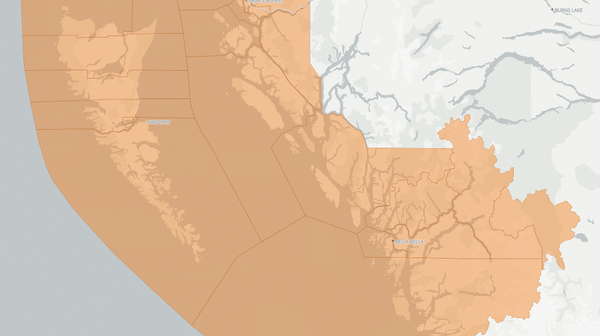
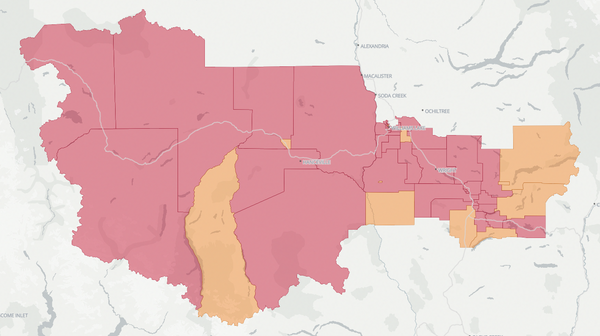
Nechako Lakes — 2020 British Columbia Provincial Election Results Map
Nechako Lakes — 2020 Election Results
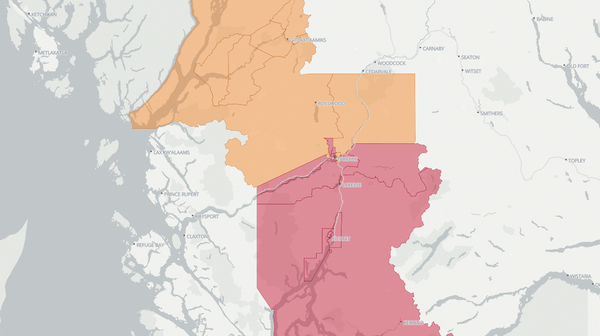
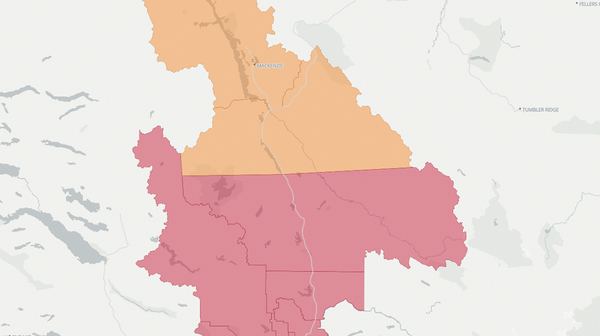
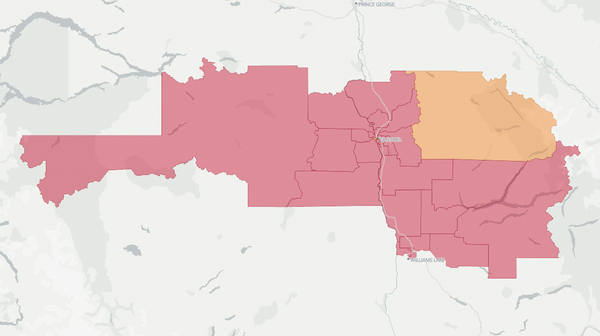
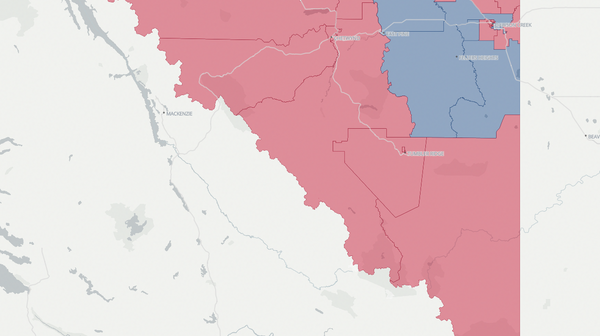
Poll-by-poll results for Nechako Lakes in the 2020 British Columbia election. The BC Liberal Party candidate won this riding. Explore detailed voting data, candidate results, and turnout statistics at the poll level.
Riding information
Auto generated. Flag an issue.Nechako Lakes
Nechako Lakes is one of British Columbia's largest ridings by area, covering a vast territory of northern interior plateau and lake country that encompasses the communities of Vanderhoof, Fort St. James, Burns Lake, Houston, and Fraser Lake. The riding's economy has long depended on natural resources, with forestry as the dominant industry and ranching, mining, and outdoor recreation playing supporting roles. The mountain pine beetle epidemic that peaked in the mid-2000s devastated the region's timber supply, and the consequences — mill curtailments, population loss, and enormous fuel loads that intensified wildfire risk — continued to define the riding's economic reality. The BC Liberals had held the seat since 2005, and it was considered safe conservative territory in a region where resource politics and government services for rural communities dominate the conversation.
The 2020 snap election arrived at a difficult moment for the riding, as the COVID-19 pandemic compounded the existing challenges of a resource-dependent region. The Liberal incumbent sought a fifth term in a contest where forestry job losses, wildfire preparedness, broadband connectivity, and health care access in remote communities were the defining issues.
Candidates
John Rustad (BC Liberal Party) — Rustad had served as Minister of Aboriginal Relations and Reconciliation in Christy Clark's cabinet from 2013 to 2017. A longtime resident of the region, he brought extensive knowledge of the forestry and resource sectors and maintained deep connections to the riding's small communities. In opposition, he continued to advocate for the interests of northern British Columbia and remained a prominent voice on forestry and rural infrastructure issues.
Anne Marie Sam (BC NDP) — Sam was a member of the Nak'azdli Whut'en First Nation who had served as a band councillor and school trustee for School District 91. She had also worked as a senior ministerial assistant in the Ministry of Indigenous Relations and Reconciliation, and had more than two decades of experience advocating for northern communities through contract work in community research, outreach, and dialogue.
Dan Stuart (Christian Heritage Party of B.C.) and Jon Rempel (Libertarian) also stood as candidates, along with independent candidate Margo Maley.
Local Issues
The forestry sector's decline had accelerated during the NDP's three years in government, moving from a looming threat to a lived reality for the riding's mill towns. Houston's Canfor sawmill experienced a closure in November 2018, an extended Christmas shutdown at the end of that year, and another week-long stoppage in February 2019 — a pattern of curtailments that signalled the mill's growing vulnerability as the post-beetle timber supply contracted. Vanderhoof, Burns Lake, and Fraser Lake faced similar pressures as the volume of salvageable pine dwindled. Industry estimates suggested that the region's annual allowable cut would remain depressed for roughly 40 years before the next generation of timber reached merchantable size, a timeline that confronted communities with the prospect not of a temporary downturn but of a permanent restructuring of their economic base. The provincial government's Old Growth Strategic Review, released in September 2020, added another layer of uncertainty, as its recommendations for shifting toward ecosystem-based management raised questions about how northern communities would be affected.
Wildfire preparedness had taken on even greater urgency after the 2018 fire season, which surpassed 2017 as the worst in provincial history at that point. The riding's communities had experienced direct evacuations and prolonged smoke events, and the vast tracts of dead pine left by the beetle epidemic created enormous fuel loads that made future fire seasons potentially more dangerous. Between 2017 and 2020, the NDP government increased funding to the BC Wildfire Service and introduced the Community Resiliency Investment Program to help local governments undertake fuel management and FireSmart planning. But residents in Nechako Lakes questioned whether the investments were sufficient given the scale of the landscape-level risk, and volunteer fire departments in smaller communities like Fraser Lake and Fort St. James voiced concerns about their capacity to respond to major wildfire events without more equipment and training support.
Broadband internet access emerged as a pressing equity issue during the NDP's term, particularly once the COVID-19 pandemic forced students, workers, and health care providers to rely on digital connectivity. While the province and federal government had invested in projects like the Future is Now initiative, which brought 4G LTE service to communities including Vanderhoof and Burns Lake by 2018, many households on the outskirts of these towns and in the riding's rural stretches still lacked reliable high-speed connections. Vanderhoof Mayor Gerry Thiessen noted that improved internet was essential not just for education and telehealth but for attracting new businesses and families to a region that was losing population as forestry jobs disappeared. The digital divide between the riding's small towns and urban British Columbia had become a barrier to the kind of economic diversification that communities desperately needed.
Health care access and physician recruitment in the riding's remote communities were challenges that the pandemic amplified but did not create. The riding's geographic isolation meant that residents in Burns Lake or Fort St. James could face journeys of two hours or more to reach the hospital in Prince George for specialist care. Recruiting and retaining family physicians willing to practise in communities with populations of a few thousand, where winter temperatures routinely drop below minus 30 and social amenities are limited, remained a structural problem that successive governments had struggled to solve.