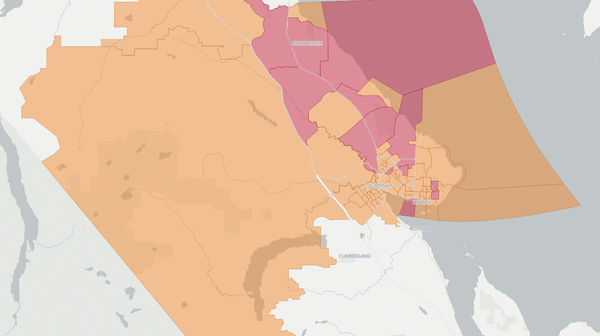
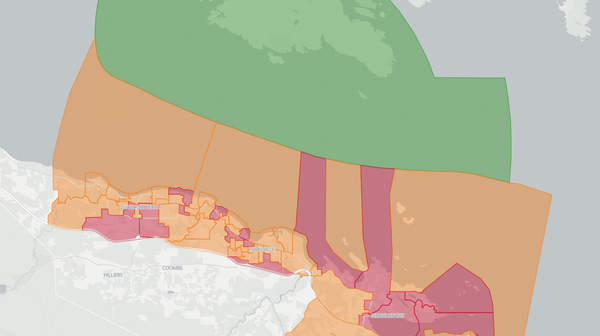
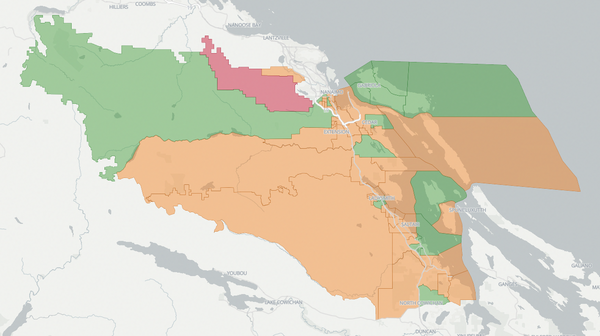
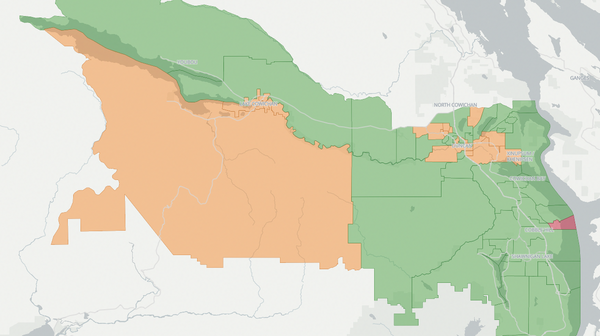
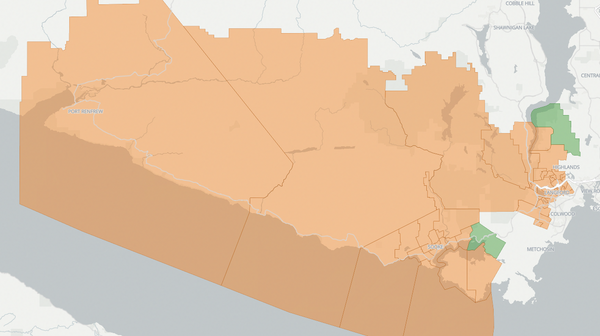
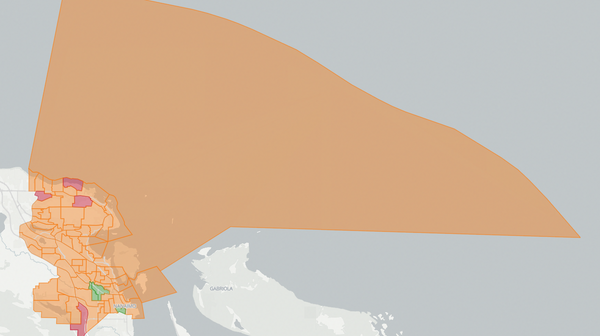
Mid Island-Pacific Rim — 2020 British Columbia Provincial Election Results Map
Mid Island-Pacific Rim — 2020 Election Results
Poll-by-poll results for Mid Island-Pacific Rim in the 2020 British Columbia election. The BC NDP candidate won this riding. Explore detailed voting data, candidate results, and turnout statistics at the poll level.
Riding information
Auto generated. Flag an issue.Mid Island—Pacific Rim
Mid Island—Pacific Rim is one of the most geographically diverse ridings on Vancouver Island, stretching from the mill town of Port Alberni across the mountainous spine of the Island to the surf communities of Tofino and Ucluelet on the west coast, then north to Cumberland and the southern fringe of the Comox Valley. The riding's economy has historically depended on forestry, fishing, and tourism, with the west coast communities drawing visitors from around the world while Port Alberni has grappled with the long decline of its once-dominant sawmill industry. The NDP had held the seat since 2005, winning four consecutive elections.
The 2020 snap election created an open-seat contest after the long-serving NDP incumbent announced he would not seek re-election. The race unfolded against the backdrop of the COVID-19 pandemic, which devastated the tourism-dependent west coast economy and deepened existing challenges around housing affordability, highway infrastructure, and the opioid crisis in Port Alberni.
Candidates
Josie Osborne (BC NDP) — Osborne had served as mayor of Tofino since 2013, described at the time as Canada's only Green Party-affiliated mayor. A marine biologist by training, she studied at the University of British Columbia before completing a master's degree in resource management at Simon Fraser University. She moved to Tofino to work as a fisheries biologist for the Nuu-chah-nulth Tribal Council and later joined the Raincoast Education Society, a local environmental education non-profit. As mayor, she had overseen the District of Tofino's efforts to address its acute housing shortage and had advocated for improvements to the Highway 4 corridor.
Evan Jolicoeur (BC Green Party) — Jolicoeur was a registered nurse and entrepreneur with experience in addiction and mental health care, as well as government policy development. A small business owner based in the riding, he campaigned on protecting the foundational industries of forestry, fishing, and tourism while fostering new economic opportunities.
Helen Poon (BC Liberal Party) — Poon was a Port Alberni city councillor and small business owner who operated a local hotel-pub. She held a law degree from SOAS University of London and had previously founded Barnsbury Capital, an organization focused on providing affordable housing in Vancouver's Downtown Eastside, partnering with LGBTQ+, refugee, and immigrant organizations to offer housing free of discrimination.
Graham Hughes ran as an independent candidate on a social advocacy platform, drawing on sixteen years of work in Port Alberni's non-profit sector. Robert Alexander Clarke ran for the Libertarian Party.
Local Issues
The Kennedy Hill safety improvement project on Highway 4 had entered active construction during the NDP's term, but by the time of the election it was running behind schedule. The $38-million project involved blasting and excavating bedrock to widen the highway to two full lanes with paved shoulders, straighten blind corners, and reduce the steep 12-per-cent grade over a 1.5-kilometre stretch adjacent to Kennedy Lake. The Ministry of Transportation revised its blasting strategy in September 2020 after earlier disruptions, and the project stood at roughly 60 per cent complete — well behind its original summer 2020 target. For west coast residents and businesses, the delays were more than an inconvenience: Tofino and Ucluelet remained effectively one road closure away from complete isolation, and the project's uncertain timeline raised fears that another rockslide or washout could sever the sole link for emergency services, supply deliveries, and the tourism traffic on which the communities depended.
The opioid crisis had deepened across the riding between 2017 and 2020, with Port Alberni experiencing a particularly acute escalation. The Alberni-Clayoquot region recorded 11 overdose fatalities in 2020 alone, as the toxic drug supply worsened and the pandemic disrupted already fragile support networks. Port Alberni's Community Action Team had helped establish an overdose prevention site, a sobering centre, and a peer outreach program called Bridging the Gap, in which people with lived experience delivered harm reduction supplies to marginalized community members. Despite these efforts, the city's poverty indicators remained stark: roughly 34 per cent of children and youth in the Alberni Valley lived in low-income households, compared with 20 per cent provincially. The decline of the forestry sector, which had once given Port Alberni among the highest average household incomes in the province, left a community struggling with intergenerational economic hardship.
Housing affordability took distinct and worsening forms in different parts of the riding during the NDP's term. In Tofino, a 2020 housing needs assessment documented the severe shortage of year-round rental accommodation, with seasonal workers and service-industry employees competing against a vacation rental market that consumed much of the town's limited housing stock. Staff at restaurants, hotels, and tourism operators found it increasingly difficult to find any accommodation at all, threatening the viability of the businesses that employed them. In Port Alberni, where incomes were lower, the housing gap manifested differently: BC Housing partnered with the Alberni Low Energy Housing Society on a project to build nearly 50 new affordable rental units, with construction set to begin in the fall. The broader Alberni Valley was simultaneously seeing an influx of buyers from more expensive markets, with houses selling within 24 to 48 hours and some purchased sight unseen, putting upward pressure on a market that had long been among Vancouver Island's most affordable.
Forestry remained central to Port Alberni's economy, but the sector's trajectory during the NDP government's term raised difficult questions about its future shape. The province's Old Growth Strategic Review, led by Garry Merkel and Al Gorley, published its report in April 2020 with 14 recommendations for overhauling how British Columbia managed its remaining old-growth forests. Meanwhile, the city was pursuing economic diversification through a wood biomass eco-industrial cluster concept, aiming to extract higher value from residual wood and waste wood rather than depending solely on commodity lumber production. The regional airport was undergoing expansion, and the former high school site — a 23-acre parcel — had been sold to private developers for a mixed-use project valued at several hundred million dollars, signalling a community in active transition from its resource-dependent past.