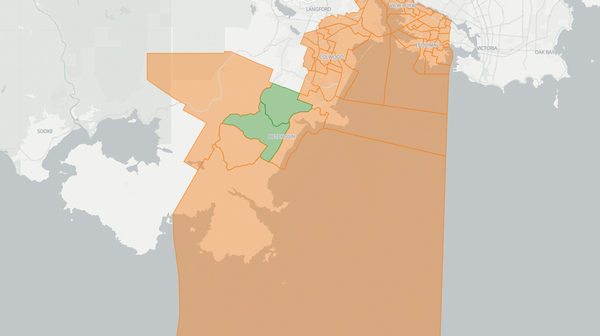
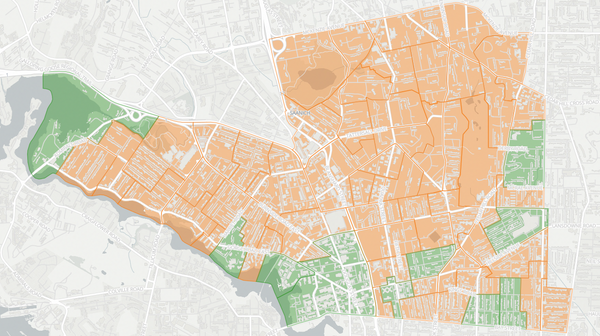
Cowichan Valley — 2020 British Columbia Provincial Election Results Map
Cowichan Valley — 2020 Election Results
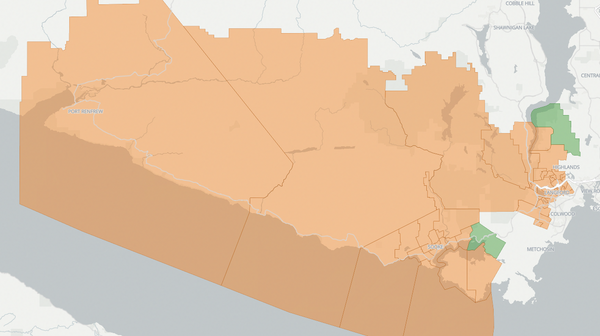
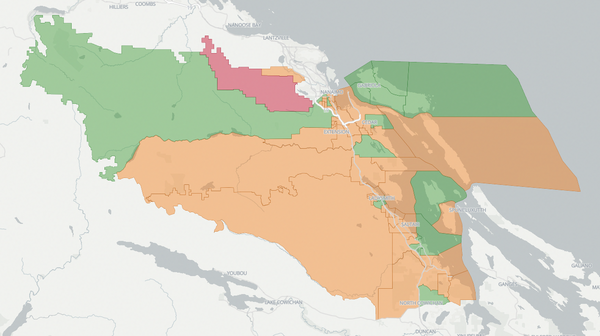
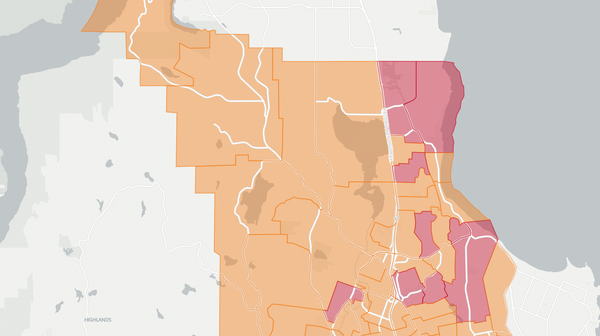
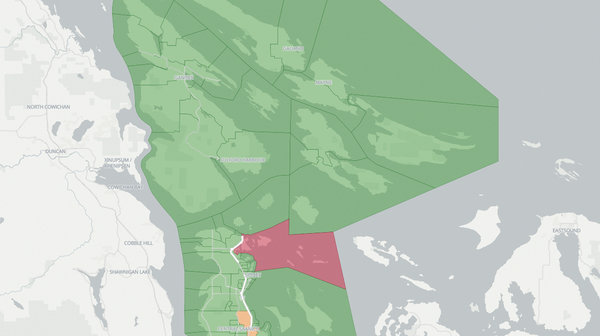
Poll-by-poll results for Cowichan Valley in the 2020 British Columbia election. The BC Green Party candidate won this riding. Explore detailed voting data, candidate results, and turnout statistics at the poll level.
Riding information
Auto generated. Flag an issue.Cowichan Valley
Cowichan Valley stretches across the southern interior of Vancouver Island from Shawnigan Lake and Cobble Hill through the Municipality of North Cowichan and the City of Duncan — the commercial hub of the valley — to the shores of Cowichan Lake. The riding encompasses traditional Quw'utsun (Cowichan) territory and has one of the largest Indigenous populations of any constituency on Vancouver Island. Its economy blends forestry, agriculture, viticulture, and a growing tourism sector, while the tension between resource extraction and environmental preservation — particularly around old-growth logging — has long been a central fault line in local politics. The BC Greens won the seat in 2017, making it one of only three ridings to elect a Green MLA, and the 2020 snap election drew intense attention as both the NDP and Liberals tried to unseat the newly elected Green leader on her home turf.
Candidates
Sonia Furstenau (BC Green Party) — Furstenau was the incumbent MLA and newly elected leader of the BC Green Party, having won the leadership on September 14, 2020, defeating environmental lawyer Cam Brewer on the second ballot. First elected in 2017, she had risen to prominence through her opposition to a contaminated soil dump near Shawnigan Lake's watershed. She previously served as a regional district director for the Cowichan Valley Regional District and had worked as a high school teacher.
Rob Douglas (BC NDP) — Douglas was a North Cowichan councillor, first elected in 2014 and re-elected in 2018, and represented the municipality on the Cowichan Valley Regional District board. Born and raised in the Cowichan Valley, he had deep family roots in the community going back five generations. This was his first provincial campaign.
Tanya Kaul (BC Liberal Party) — Kaul was a recreation programmer with the Cowichan Valley Regional District who had moved to Lake Cowichan with her husband. She held a master's degree in public administration and had previously worked for the BC Liberal caucus as a legislative assistant. This was her first run for elected office.
Local Issues
Old-growth forest protection emerged as the defining environmental issue in the riding during the 2017-2020 period. In August 2020, just weeks before the election was called, activists established a protest camp in the Fairy Creek watershed near Port Renfrew to block road-building and logging of ancient trees by Teal Cedar Products, a subsidiary of the Teal-Jones Group, which held Tree Farm Licence 46 encompassing roughly 1,022 hectares of the watershed. The protests — which would eventually grow into the largest act of civil disobedience in Canadian history — resonated deeply in the Cowichan Valley, where the tension between the forestry industry and environmental preservation had long been a central fault line. Furstenau had been vocal in calling for stronger old-growth protections, and the NDP government's delay in implementing the recommendations of its own old-growth strategic review, released in the weeks before the election, became a major campaign flashpoint.
Water scarcity and drought became urgent concerns during the NDP's term. In 2019, the province classified the entire Vancouver Island region — including the Cowichan Valley — at Drought Level 3, driven by low winter snowpack and limited spring rain. Water levels in Cowichan Lake and the Cowichan River fell to record lows, creating critical conditions for salmon struggling to navigate diminished flows. The Cowichan Watershed Board, Cowichan Tribes, Paper Excellence (which operated the Crofton pulp mill), and the Cowichan Valley Regional District pursued plans to replace the existing weir at the lake's outlet with a structure approximately one metre higher, aimed at storing more water for summer release. The project faced complex negotiations over funding, environmental assessment, and First Nations rights, and by election day it remained unresolved — leaving the river's salmon populations and the communities that depended on them in a precarious position.
The opioid crisis hit the Cowichan Valley hard during the NDP's term. An estimated 100 people were experiencing homelessness in the Cowichan community by early 2020, and Cowichan Tribes mourned the loss of seven members to opioid overdoses between October 2019 and the spring of 2020. In downtown Duncan, the City partnered with the Municipality of North Cowichan, Island Health, RCMP, and Cowichan Tribes on a Safer Community Plan that included enhanced security around the Overdose Prevention Service at 221 Trunk Road. The siting of addiction support services drew controversy in September 2020 when a proposed treatment centre near a school provoked opposition from parents, school trustees, and the mayor — illustrating the community's division between those who supported harm reduction and those who felt public safety was being compromised.
Health care access remained a significant concern. Island Health first outlined plans to replace the Cowichan District Hospital in Duncan in 2013, and during the NDP's term the province approved the vision for a replacement facility in 2018, with a business case following in 2020. The new hospital — eventually designated the Quw'utsun Valley Hospital — was planned as a 204-bed facility more than three times the size of the existing building, but construction was years away. In the meantime, the shortage of family physicians continued to leave many residents unable to find a regular doctor, and the pandemic placed additional strain on a local health system already operating beyond capacity.