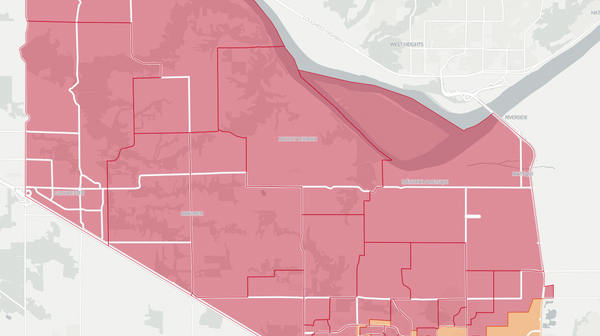
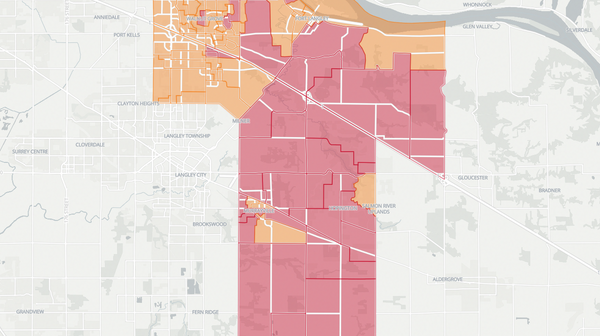
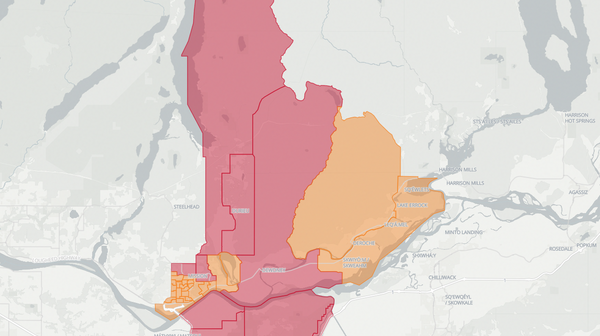
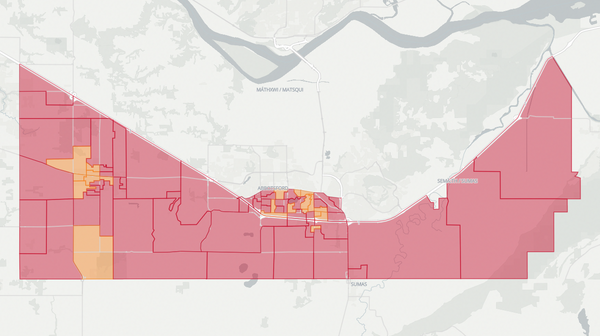
Maple Ridge-Mission — 2020 British Columbia Provincial Election Results Map
Maple Ridge-Mission — 2020 Election Results
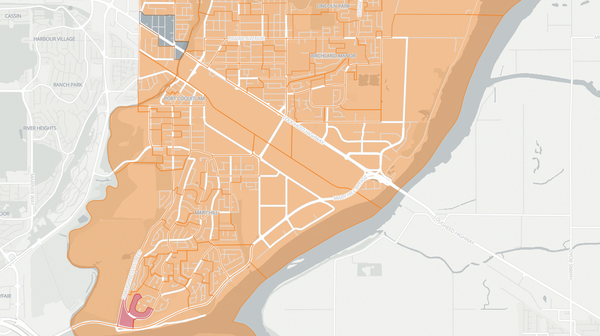
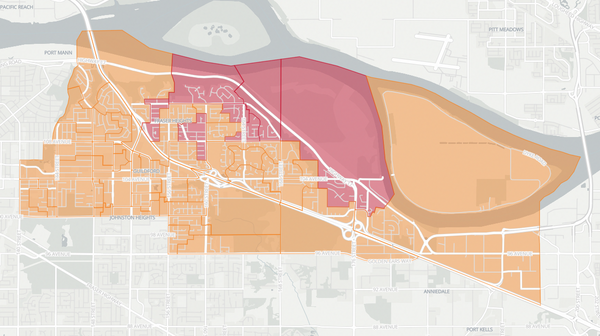
Poll-by-poll results for Maple Ridge-Mission in the 2020 British Columbia election. The BC NDP candidate won this riding. Explore detailed voting data, candidate results, and turnout statistics at the poll level.
Riding information
Auto generated. Flag an issue.Maple Ridge—Mission
Maple Ridge—Mission sits on the eastern fringe of Metro Vancouver, taking in parts of the City of Maple Ridge and the District of Mission, where suburban subdivisions give way to the agricultural flatlands of the Fraser River and the forested slopes of the Coast Mountains. The community lies roughly sixty kilometres from Vancouver's urban core, making it both a refuge for families seeking affordability and a place where the absence of adequate social services was felt acutely. The local economy is shaped by commuter patterns, construction, retail, and the service sector, with agriculture and forestry playing a role in Mission's more rural areas.
The riding had been a competitive swing seat in recent elections. The NDP flipped it from the Liberals in 2017 by a narrow margin, and in 2020 the first-term NDP incumbent sought re-election in a riding where homelessness and public safety had dominated local headlines throughout the term.
Candidates
Bob D'Eith (BC NDP) — D'Eith was the incumbent MLA, first elected in 2017. Born in Hong Kong in 1964, he immigrated to Canada as a child and grew up in West Vancouver. He was a lawyer called to the bar in 1990 who practised in real estate and entertainment law, and had served as CEO of Music BC for fourteen years. He was a trained pianist who played in the Juno-nominated band Rymes with Orange and later formed the ambient music project Mythos. He served as chair of the Select Standing Committee on Finance and Government Services.
Chelsa Meadus (BC Liberal Party) — Meadus was a first-term Maple Ridge city councillor and local entrepreneur with twenty-five years of community involvement. She had led several non-profit organizations including the Fraser River All Nations Society, Ridge Meadows Hospice Society, Adopt A Block, and the MRPM Youth Centre Society. She was acclaimed as the BC Liberal candidate for the riding.
Matt Trenholm (BC Green Party) — Trenholm was a CT imaging technologist and health administrator from Langley. He entered the race as a first-time candidate motivated by the snap election call, bringing a health-care perspective to debates about the opioid crisis and mental health services in the community.
Local Issues
Homelessness and the opioid crisis defined the political conversation in Maple Ridge—Mission throughout the NDP's term. The Anita Place tent encampment, which had emerged in 2017, was dismantled in 2019 after the province built emergency modular housing at the Royal Crescent facility, operated by Coast Mental Health and providing fifty-three supportive housing units. But the transition was deeply fraught. Unlike the vast majority of the province's supportive housing, the Royal Crescent building was not designed as permanent supportive housing and was always intended as a temporary emergency measure. Residents of the complex and their neighbours alleged that Coast Mental Health had failed to provide a safe environment and the promised wraparound services, with reports of assaults, break-ins, and drug dealing. The community remained bitterly divided—some residents argued for more investment and better-quality supportive housing with genuine clinical supports, while others called for stricter enforcement and questioned whether concentrating vulnerable populations in a single facility was workable.
Housing affordability had shifted since the last election. While Maple Ridge and Mission had traditionally offered more affordable options than communities closer to Vancouver, prices had continued to climb, and the limited supply of purpose-built rental housing left lower-income residents vulnerable. The NDP government's housing initiatives—including the speculation tax and increased BC Housing investment—were felt unevenly in a community where the most acute housing need was for supportive and transitional units rather than market housing. Flooding added another dimension to the affordability picture: in November 2018, rising water forced the closure of streets in Maple Ridge, and during the May 2018 freshet season, the city issued flood advisories for properties along the Fraser River in the Hammond neighbourhood, underscoring the vulnerability of low-lying areas to seasonal inundation.
Transit improvements brought a tangible change to daily life in January 2020, when TransLink launched RapidBus service connecting Maple Ridge and Pitt Meadows to Coquitlam along the Lougheed Highway corridor. The service was designed to rival SkyTrain speeds and offered a meaningful improvement for commuters who had long endured some of the longest transit travel times in Metro Vancouver. But the new route still could not solve the riding's broader transportation challenges—Highway 7 congestion, limited evening and weekend bus service, and the absence of rapid rail—and many commuters continued to rely on private vehicles for their daily journeys westward.
Health care access—particularly mental health and addiction services at Ridge Meadows Hospital—was a persistent concern that the pandemic sharpened. The hospital served a growing population across both Maple Ridge and Mission, but its psychiatric and addiction resources were stretched thin at a time when opioid deaths in the Fraser Health region were climbing. The intersection of homelessness, addiction, and inadequate health infrastructure formed a single, interconnected crisis that no candidate could avoid addressing on the campaign trail.