Surrey-Guildford — 2020 British Columbia Provincial Election Results Map
Surrey-Guildford — 2020 Election Results
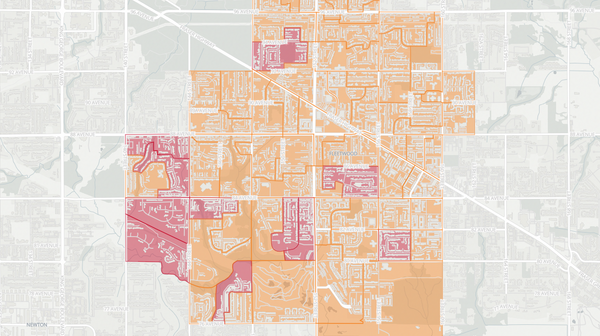
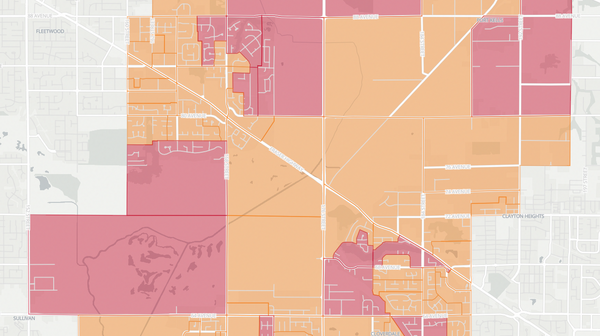
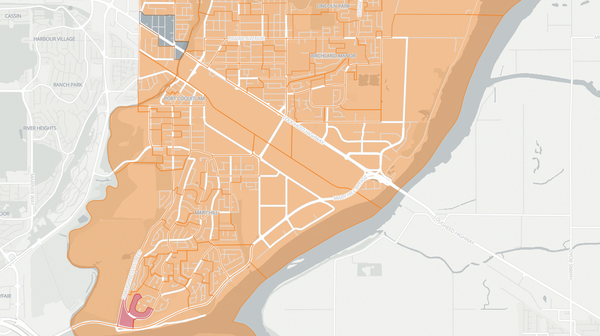
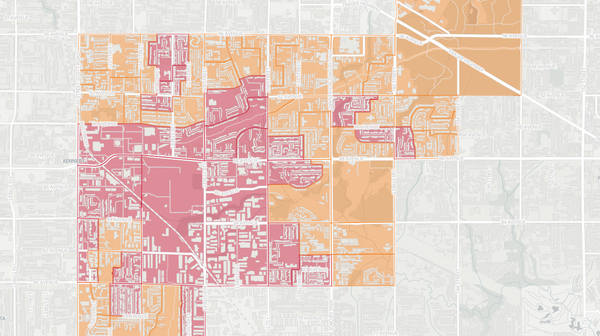
Poll-by-poll results for Surrey-Guildford in the 2020 British Columbia election. The BC NDP candidate won this riding. Explore detailed voting data, candidate results, and turnout statistics at the poll level.
Riding information
Auto generated. Flag an issue.Surrey-Guildford
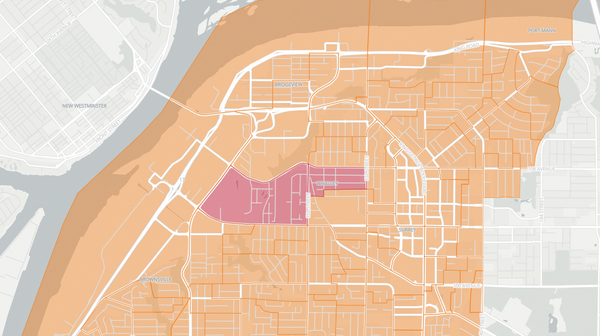
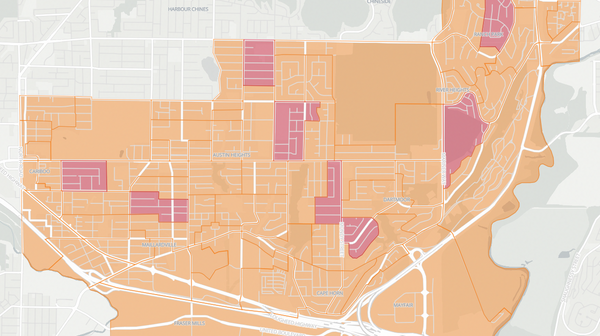
Surrey-Guildford spans northeastern Surrey, anchored by the Guildford Town Centre mall and the surrounding established residential areas south of Highway 1, with the newer Fraser Heights community extending northward across the freeway toward the Fraser River. Rapid residential development in Fraser Heights over the preceding decade had brought young families to the area at a pace that outstripped the construction of schools and community facilities, making education infrastructure the riding's most pressing concern. The riding has a large South Asian population and significant immigrant communities whose needs for multilingual services and culturally sensitive programming shaped the local political agenda.
Created in the 2015 redistribution from parts of Surrey-Tynehead and Surrey-Whalley, the riding was first contested in 2017, when the NDP narrowly won it. Heading into the 2020 snap election, the NDP incumbent sought re-election with the advantage of strong provincial polling, but the Liberals mounted a competitive challenge in a riding where Highway 1 divided the electorate both geographically and politically — with the affluent Fraser Heights polls north of the freeway leaning Liberal and the established Guildford neighbourhoods to the south more evenly split.
Candidates
Garry Begg (BC NDP) — Born in Ontario, Begg retired from the Royal Canadian Mounted Police after a thirty-eight-year career that included eight years stationed in Surrey, where he attained the rank of inspector. He was elected MLA in 2017 and served as government caucus whip during the NDP's minority government term. Before his provincial run, he had contested the federal riding of Fleetwood-Port Kells for the NDP in 2015.
Dave Hans (BC Liberal Party) — An electrical and mechanical engineer who founded his own engineering firm in 2015, Hans had served as the lead on over one thousand projects across Metro Vancouver. He was a director on the board of Progressive Intercultural Community Services, where he chaired the building committee and helped secure provincial funding for Diversity Village, a 125-bed residential care facility designed to offer culturally sensitive services to South Asian seniors. He also sat on the City of Surrey's Board of Variance.
Jodi Murphy (BC Green Party) — Murphy held a Bachelor of Science from the University of British Columbia and worked as operations manager of a research lab at Simon Fraser University located in Surrey Memorial Hospital. She had also run for the Greens in the riding in 2017, stepping forward to ensure voters had the option of supporting the party.
Sam Kofalt ran as an Independent and received a small share of the vote.
Local Issues
School overcrowding in the Fraser Heights area north of Highway 1 was the most acute concern for families in Surrey-Guildford. The rapid construction of single-family homes and townhouse developments had attracted young families at a rate that far exceeded classroom construction, with schools operating well over capacity and students learning in portable classrooms that cost the district millions annually to maintain. The NDP's 2017 promise to eliminate portables across Surrey remained unfulfilled, and the Surrey School District's annual expenditure of over $10.7 million on 361 portables was a persistent point of criticism. Hans argued that a Liberal government would accelerate school construction through streamlined capital approval processes, while Begg pointed to NDP investments in new schools and seismic upgrades, including the Salish Secondary School in nearby Clayton Heights, which was built to relieve pressure on Lord Tweedsmuir Secondary and its eighteen portables.
The policing transition debate that had consumed Surrey municipal politics since Mayor McCallum's October 2018 election carried directly into the provincial campaign. The NDP government had approved the transition from RCMP to the new Surrey Police Service in early 2020, but Guildford residents were divided on the change. Begg's thirty-eight-year career in the RCMP gave him a unique perspective, though he was careful to position the question as a municipal decision rather than a provincial one. Residents south of Highway 1 in the established Guildford neighbourhood reported ongoing concerns about property crime, auto theft, and drug-related activity near the mall, and questioned whether a new police service in its start-up phase would be able to maintain — let alone improve — the level of community policing they had come to expect from the RCMP detachment.
The pandemic's impact on immigrant families and community organizations in Surrey-Guildford highlighted gaps in the province's emergency response that cut along linguistic and cultural lines. Hans's involvement with Progressive Intercultural Community Services — and his role in securing funding for Diversity Village, a 125-bed culturally sensitive seniors' care facility — underscored the particular vulnerabilities facing South Asian seniors who could not access in-person cultural programming, religious services, or family visits during lockdown restrictions. Language barriers complicated access to public health information, as provincial COVID-19 directives were not always available in Punjabi, Hindi, or other languages spoken widely in the riding. Workers in the gig economy and precarious employment — a significant segment of the riding's working-age population — found that federal and provincial relief programs were designed around traditional payroll employment and did not adequately cover self-employed contractors, ride-share drivers, or informal workers.
The broader affordability crisis affecting Surrey weighed on Guildford residents, whose neighbourhood sat at the intersection of established suburban housing and new higher-density development. The NDP's Speculation and Vacancy Tax and changes to the Residential Tenancy Act had provided modest relief on the rental side, but rising property assessments and the cost of living in Metro Vancouver continued to squeeze families on fixed or moderate incomes. Seniors in the riding, many of whom had purchased homes decades earlier at a fraction of current values, faced difficult decisions about aging in place versus selling into a market that had priced their grandchildren out of the neighbourhood.