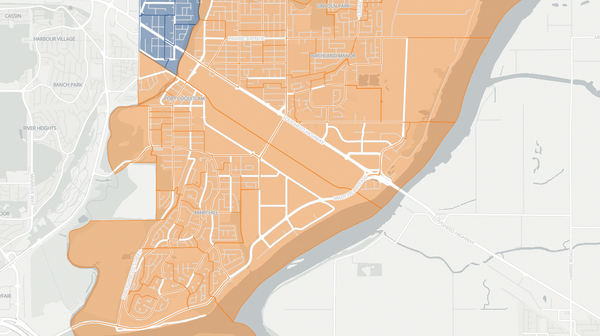
Maple Ridge-Pitt Meadows — 2024 British Columbia Provincial Election Results Map
Maple Ridge-Pitt Meadows — 2024 Election Results
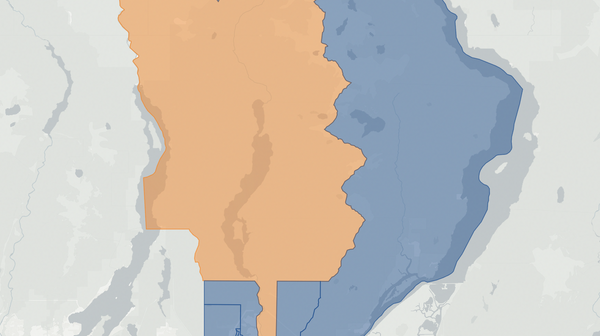
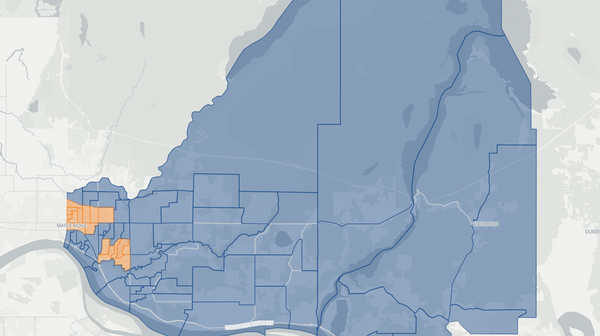
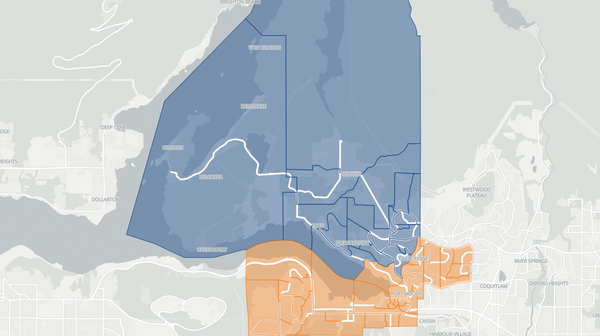
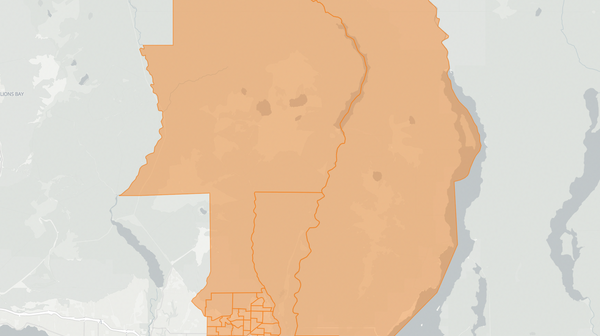
Poll-by-poll results for Maple Ridge-Pitt Meadows in the 2024 British Columbia election. The BC NDP candidate won this riding. Explore detailed voting data, candidate results, and turnout statistics at the poll level.
Riding information
Auto generated. Flag an issue.Maple Ridge—Pitt Meadows
Maple Ridge—Pitt Meadows encompasses the City of Pitt Meadows and the western neighbourhoods of Maple Ridge, where the suburban grid of residential streets meets the agricultural flatlands protected by the Agricultural Land Reserve. The CP Rail mainline cuts through the heart of Pitt Meadows, and the Harris Road rail crossing — one of the busiest level crossings in the province — shapes daily traffic patterns for thousands of residents. To the south, the Pitt River and the marshlands of Pitt Lake give the riding a rural fringe that belies its proximity to Metro Vancouver's urban core. The riding retained its name and approximate boundaries through the 2024 redistribution, though adjustments at the eastern edge shifted some neighbourhoods into the new Maple Ridge East constituency.
Candidates
Lisa Beare (BC NDP) — Beare was the incumbent MLA, having won the riding in each of the 2017 and 2020 elections. A Maple Ridge native, she studied local government management at the University of Victoria before working as a flight attendant with Air Transat, where she rose to vice-president of CUPE Local 4078. She also held a commercial pilot's licence and led local chapters of The 99s International Organization of Women Pilots. After winning a seat on the Maple Ridge school board in 2014, she moved to provincial politics. Over two NDP terms she held cabinet posts including Minister of Tourism, Arts, Culture and Sport, Minister of Citizens' Services, and most recently Minister of Post-Secondary Education and Future Skills.
Mike Morden (Conservative Party of BC) — Morden served as Mayor of Maple Ridge from 2018 to 2022, after two terms as a city councillor. He ran on a platform of fiscal responsibility and reducing government spending, citing his municipal experience as evidence of his ability to manage public finances.
Local Issues
The Harris Road rail crossing in Pitt Meadows remained the riding's most persistent transportation bottleneck. Trains blocked the crossing for up to three and a half hours per day, disrupting three bus routes and forcing commuters into long detours. The City of Pitt Meadows and the Vancouver Fraser Port Authority had been advancing plans for a road-rail grade separation — an underpass that would allow vehicle and bus traffic to flow beneath the tracks — but the project had not yet reached the construction phase by election time. For a riding where daily commuting to Metro Vancouver's employment centres defined household economics, the crossing's unreliability compounded the broader frustration with limited transit options east of the Tri-Cities.
The NDP government's housing policies were examined through the lens of a riding where the Agricultural Land Reserve constrained the supply of developable land. Approximately seventy-eight per cent of Pitt Meadows lay within the ALR, creating a sharp boundary between suburban density and farmland. The tension between preserving productive agricultural land and accommodating the housing that a growing population demanded had intensified during the government's second term. Provincial legislation requiring municipalities to increase housing density near transit stations and in town centres pushed Pitt Meadows and Maple Ridge to reconsider their zoning frameworks, but the limited geography available for development meant that intensification in existing neighbourhoods was the primary lever — a prospect that generated debate among long-time residents who valued the area's suburban character.
Health care access had not kept pace with the riding's population growth. Ridge Meadows Hospital, which served both this riding and neighbouring Maple Ridge East, was the sole acute-care facility for a catchment area that had expanded significantly. Emergency department wait times, the shortage of family physicians accepting new patients, and inadequate mental health and addiction services were raised repeatedly during the campaign. The opioid crisis, which had deepened across the Fraser Health region since the province declared a public health emergency in 2016, continued to strain first responders and community organizations operating with limited resources.
The cost of living extended beyond housing to touch everyday expenses. Grocery costs, child care availability, and auto insurance premiums shaped household budgets, and the NDP government's record on affordability was scrutinized by voters weighing the benefits of programs like the ten-dollar-a-day child care initiative against persistent inflation and rising property taxes.