Maple Ridge East — 2024 British Columbia Provincial Election Results Map
Maple Ridge East — 2024 Election Results
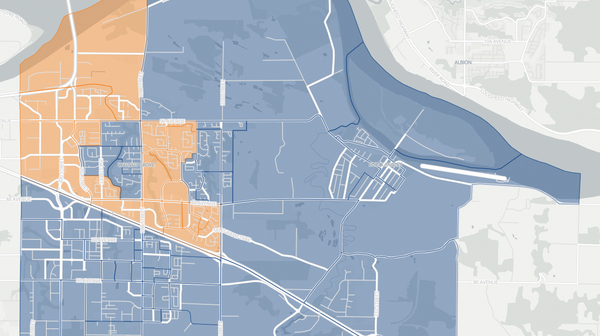
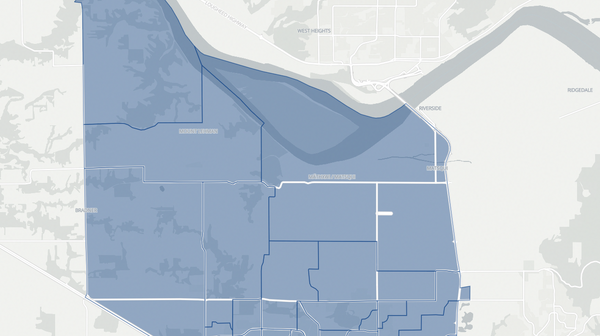
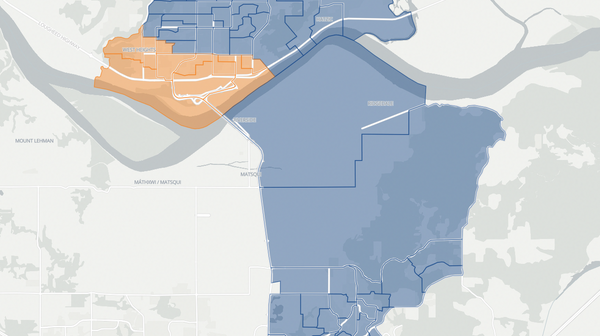
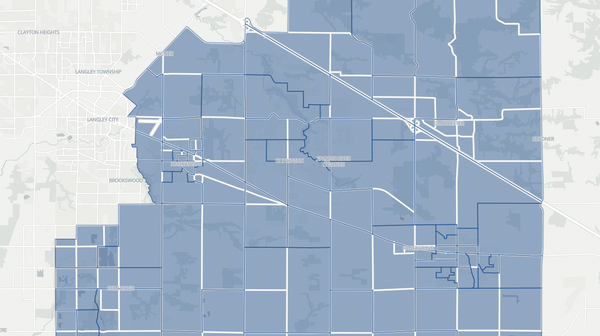
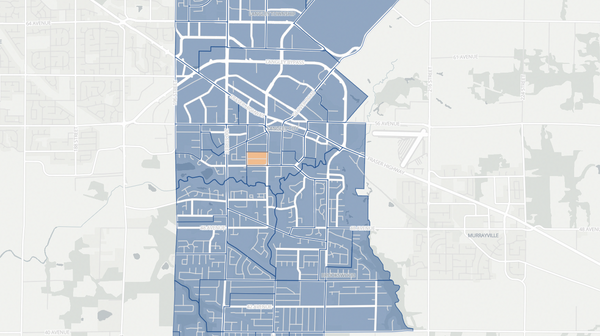
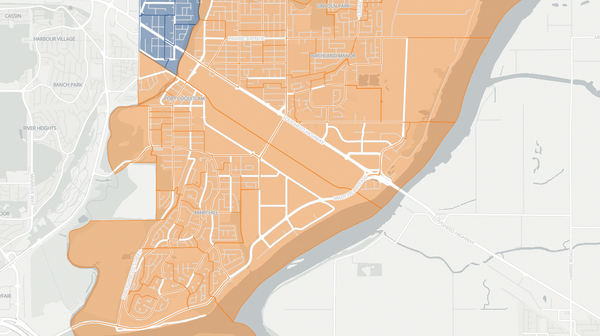
Poll-by-poll results for Maple Ridge East in the 2024 British Columbia election. The Conservative Party candidate won this riding. Explore detailed voting data, candidate results, and turnout statistics at the poll level.
Riding information
Auto generated. Flag an issue.Maple Ridge East
Maple Ridge East is a new riding created by the 2024 redistribution, carved from the eastern half of the former Maple Ridge—Mission constituency. It takes in the established neighbourhoods of east Maple Ridge along the north bank of the Fraser River, where the suburban fringe of Metro Vancouver yields to the forested slopes of Golden Ears Provincial Park. The area sits roughly sixty kilometres from downtown Vancouver, and the daily commute westward along Highway 7 and the Lougheed Highway corridor defines the rhythms of household life. Rapid residential growth over the past decade has brought young families seeking relative affordability, but the infrastructure serving them — schools, transit, and health services — has struggled to keep pace.
The 2024 redistribution divided the former Maple Ridge—Mission seat into separate ridings, with the eastern portion of Maple Ridge becoming its own constituency for the first time. The contest drew three candidates in a riding where housing affordability, public safety, and the opioid crisis had dominated local discourse throughout the NDP government's second term.
Candidates
Lawrence Mok (Conservative Party of BC) — Mok emigrated to Canada from Singapore in 1988 and settled in Maple Ridge, where he has lived for more than thirty-five years. He holds nine post-secondary degrees, including a Bachelor of Electrical Engineering, an MBA, and a Doctor of Philosophy in Business Administration, and has worked as an electrical engineer and general manager. He brought more than thirty years of experience in engineering, business management, and community service to his candidacy.
Bob D'Eith (BC NDP) — D'Eith served two terms as MLA for the former Maple Ridge—Mission riding, having first won the seat in the 2017 election. He was born in Hong Kong in 1964 and came to Canada as a child, growing up in West Vancouver. After earning his law degree and being called to the bar in 1990, he built a career spanning real estate and entertainment law. He spent fourteen years as CEO of Music BC and performed as a keyboardist in Rymes with Orange, which earned a Juno nomination for Best New Group. In the legislature, he chaired the Select Standing Committee on Finance and Government Services and served as Parliamentary Secretary for Arts and Film.
Kylee Williams (BC Green Party) — Williams moved to British Columbia from Alberta and works in non-profit fundraising and professional communication. She has been active in grassroots organizing, advocating for climate action, affordable housing, and improved access to health care and education.
Local Issues
Homelessness and the opioid crisis remained deeply intertwined issues in the riding throughout the NDP's second term. The temporary modular housing at 22548 Royal Crescent, built in 2018 as an emergency response to the Anita Place tent encampment, had reached the end of its designed lifespan by 2024. BC Housing announced plans to replace the aging fifty-three-unit facility with permanent supportive housing at a new site on Fraser Street, but the transition raised questions about whether the wraparound services — mental health care, addiction treatment, and employment support — would be adequate in the replacement facility. Residents in surrounding neighbourhoods had spent years voicing frustration over incidents linked to the Royal Crescent site, and the broader community remained divided over where and how to house people experiencing chronic homelessness.
Housing affordability had worsened as the eastern reaches of Metro Vancouver absorbed demand from buyers priced out of communities closer to the city core. Since 2017, the NDP government had delivered or begun construction on more than four hundred housing units in Maple Ridge through various BC Housing programs, but the scale of need outstripped supply. The provincial government's suite of demand-side measures — the speculation and vacancy tax, the foreign buyers' ban, and new purpose-built rental incentives — had limited direct impact in a community where the primary affordability challenge was the structural shortage of housing relative to rapid population growth.
The drug toxicity crisis continued to claim lives across the Fraser Health region. British Columbia's experiment with decriminalization, which took effect on January 31, 2023 under a federal exemption allowing personal possession of small amounts of illicit drugs, generated significant controversy. Public drug use in parks, transit hubs, and commercial areas provoked backlash, and in May 2024 the provincial government successfully requested an amendment to the exemption, recriminalizing possession in public spaces while maintaining decriminalization in private residences and designated health facilities. The reversal reflected the political pressure that candidates across the spectrum faced from constituents who felt that the original policy had worsened visible disorder without reducing overdose deaths.
Transportation infrastructure remained a daily frustration. The Lougheed Highway corridor connecting Maple Ridge to the Tri-Cities and beyond carried commuter volumes that exceeded its design capacity, and the TransLink RapidBus service launched in 2020, while an improvement, could not substitute for the rapid rail connection that residents had long sought. Highway 7 congestion, limited evening and weekend bus service, and the absence of any timeline for extending SkyTrain to the eastern reaches of Metro Vancouver left commuters reliant on private vehicles for their daily journeys.