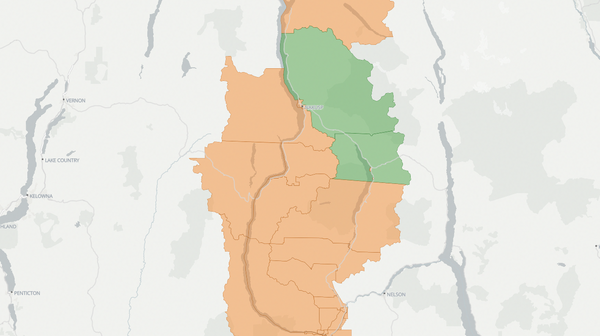
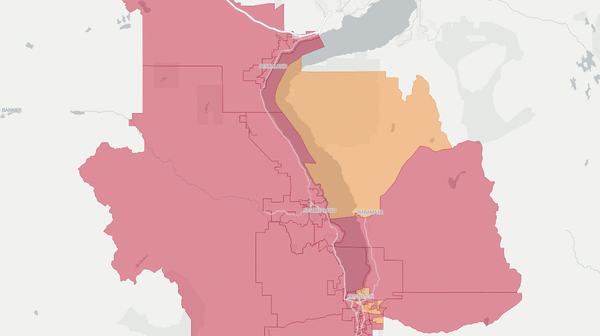
Vernon-Monashee — 2020 British Columbia Provincial Election Results Map
Vernon-Monashee — 2020 Election Results
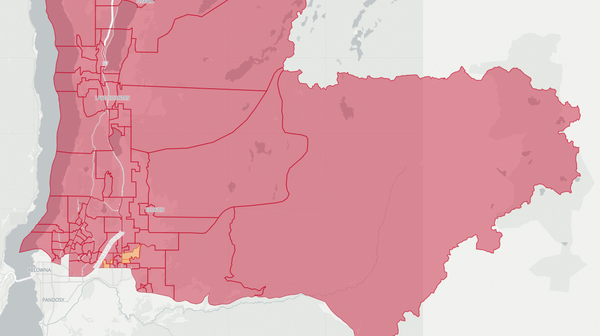
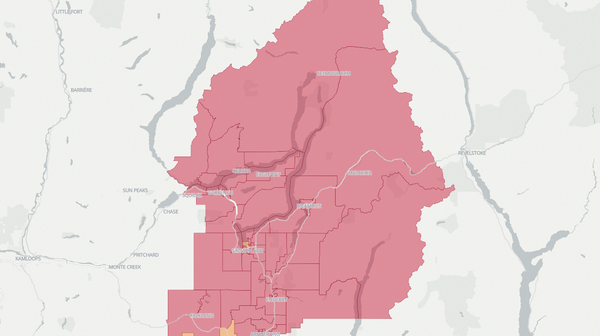
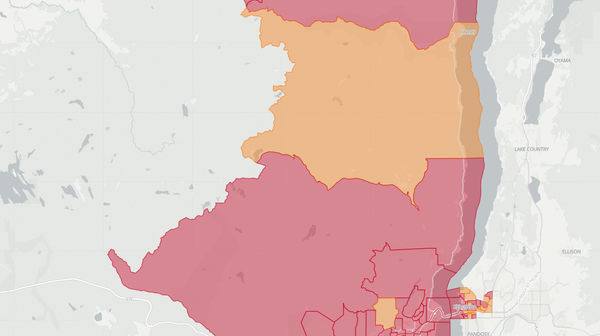
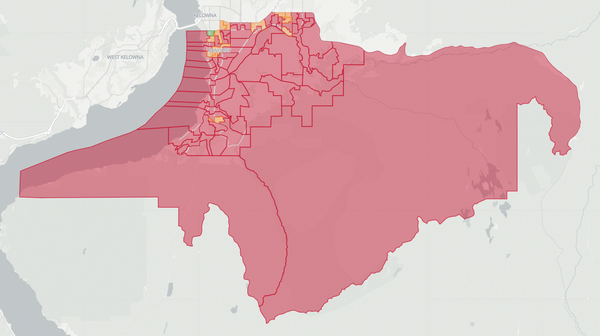
Poll-by-poll results for Vernon-Monashee in the 2020 British Columbia election. The BC NDP candidate won this riding. Explore detailed voting data, candidate results, and turnout statistics at the poll level.
Riding information
Auto generated. Flag an issue.Vernon-Monashee
Vernon-Monashee covers the city of Vernon, the village of Lumby, and surrounding rural and agricultural communities in the North Okanagan. Vernon, with a population of roughly 44,000, serves as the regional hub, while the surrounding area encompasses orchards, vineyards, ranchlands, and the forested slopes of the Monashee range to the east. The riding's economy blends agriculture, tourism, forestry, and a growing retirement and amenity-migration sector, with Kalamalka Lake and the broader Okanagan landscape drawing newcomers and seasonal visitors. Vernon Jubilee Hospital is the primary acute care facility for the region, and healthcare capacity has been a persistent concern as the population grows.
Politically, the Okanagan has been firmly centre-right territory for decades. The NDP had not won this riding since 1984, and the BC Liberals held it through four consecutive elections. The three-term Liberal incumbent had won by more than 5,200 votes in 2017. But heading into 2020, several factors created unexpected uncertainty: the NDP's strong pandemic approval ratings, a four-way vote split that included a BC Conservative candidate drawing from the right, and the candidacy of a frontline healthcare worker running for the NDP made this traditionally safe seat one of the province's most closely watched races.
Candidates
Harwinder Sandhu (BC NDP) — Sandhu was a registered nurse at Vernon Jubilee Hospital, where she served as a patient care coordinator. She was also a regional lobby coordinator for the BC Nurses' Union, advocating on issues of patient safety and healthcare worker well-being. She had previously run as the federal NDP candidate in North Okanagan–Shuswap in the 2019 election.
Eric Foster (BC Liberal Party) — Born in Dartmouth, Nova Scotia, Foster became a Registered Forestry Technician after attending the University of New Brunswick and moved to British Columbia in 1982. He taught in the forestry program at Charles Bloom Secondary School in Lumby from 1995 to 2009 and served twelve years as a municipal councillor and three years as mayor of Lumby before winning the provincial seat in 2009. He was seeking a fourth term.
Keli Westgate (BC Green Party) — Westgate was the sales and marketing manager at Spa Hills Compost, a commercial organic food waste composting operation. She had a background in multimedia production and communications and was running in the riding for a second consecutive election, having earned 21 per cent of the vote in 2017. She campaigned on the urgency of the climate emergency.
Kyle Delfing (Conservative) — Delfing was the owner of a moving company in the Vernon area. He had previously run as the People's Party of Canada candidate in the 2019 federal election. His priorities included fairer ICBC rates and improved safety on Highway 6 between Vernon and Lumby.
Local Issues
Healthcare capacity was the paramount concern in Vernon-Monashee, and the COVID-19 pandemic elevated it further. Vernon Jubilee Hospital — the primary acute care facility for the North Okanagan, with approximately 160 beds following the Polson Tower expansion — continued to face physician shortages, long wait times for specialist referrals, and pressure on its emergency department. The region's growing population strained existing services, and residents who needed advanced diagnostic imaging, oncology consultations, or complex surgical procedures frequently had to travel to Kelowna General Hospital or to Vancouver. The pandemic added a new layer of stress on healthcare workers, highlighting the vulnerability of interior communities that lacked the depth of medical resources available in larger centres. Sandhu's candidacy as a frontline nurse at Vernon Jubilee gave the NDP a compelling messenger on an issue that resonated across partisan lines.
The opioid crisis hit Vernon harder than many communities in the BC interior during the 2017–2020 term. The city's overdose death rate consistently exceeded the Interior Health region's average, and the crisis was particularly visible in Vernon's downtown core. Interior Health introduced a continuum of substance use services in response, including an overdose prevention site on 30th Avenue, opioid agonist treatment through a downtown clinic, and supported recovery beds. The provincial government's Community Crisis Innovation Fund, established in September 2017 with $3 million in its first year and $6 million annually in 2018–19 and 2019–20, directed resources to communities including Vernon. Nevertheless, advocates and frontline workers argued that the available services remained insufficient for the scale of the crisis, particularly as COVID-19 disrupted access to treatment programs and increased the isolation of people struggling with addiction.
Drought and water supply challenges posed growing threats to the riding's agricultural economy and municipal water systems. In April and May 2018, the Regional District of North Okanagan was forced to shut off the Kalamalka Lake water source — which served approximately 38,000 Greater Vernon residents — due to elevated turbidity from spring runoff in the Coldstream Creek watershed, shifting the supply burden to the Duteau Creek Water Treatment Plant at a time when Aberdeen Plateau reservoir levels were already low. Agriculture Canada declared severe drought conditions in the Kelowna and Vernon areas, and orchardists and ranchers in the surrounding communities of Coldstream, Lavington, and the BX district faced reduced irrigation allocations. The connection between drought, wildfire risk, and long-term water security was an intensifying concern for rural residents, who called for greater provincial investment in watershed management and agricultural adaptation.
Wildfire preparedness remained a defining issue for the riding's rural communities following the catastrophic 2017 and 2018 fire seasons. The 2018 season was the worst on record in British Columbia, with 1.35 million hectares burned across the province. Residents in Lumby and the Monashee foothills, surrounded by forests affected by decades of mountain pine beetle damage, called for accelerated fuel management, expanded FireSmart community programs, and improved emergency evacuation planning. The provincial government allocated additional funding for wildfire prevention during its term, but the underlying challenges of climate change, prolonged drought, and deteriorating forest health continued to outpace the pace of mitigation work.