Penticton — 2020 British Columbia Provincial Election Results Map
Penticton — 2020 Election Results
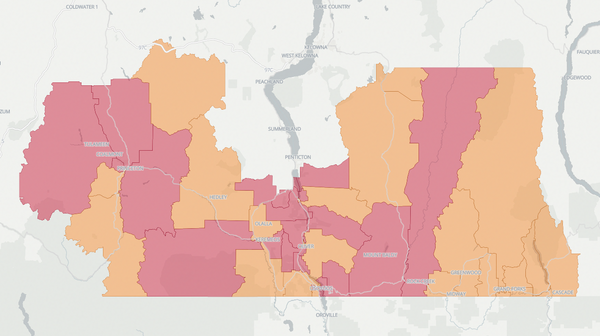
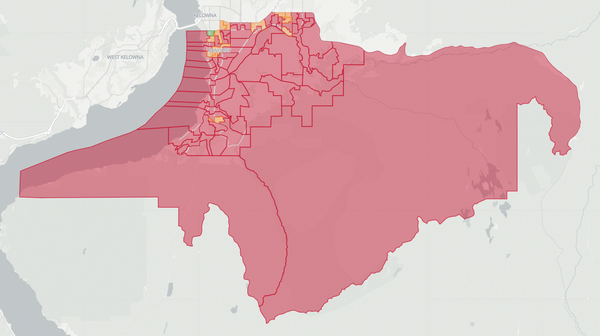
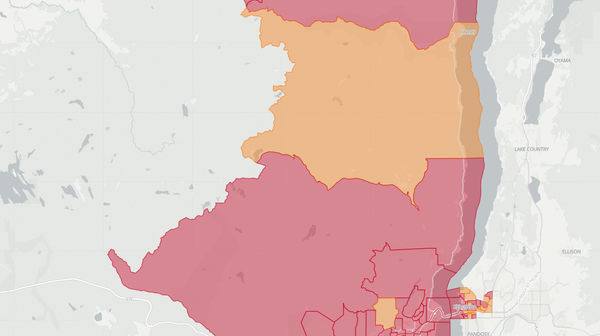
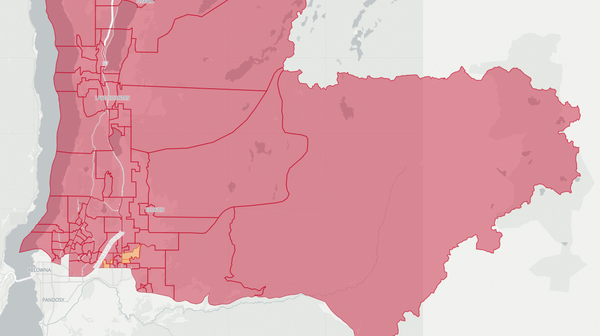
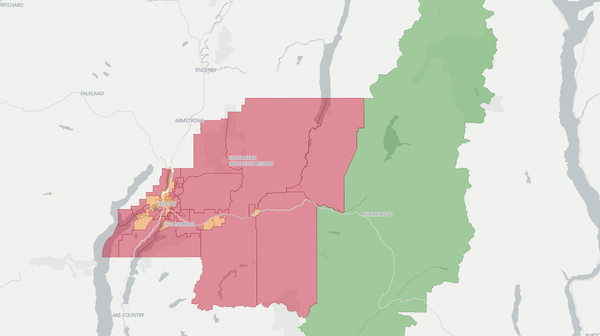
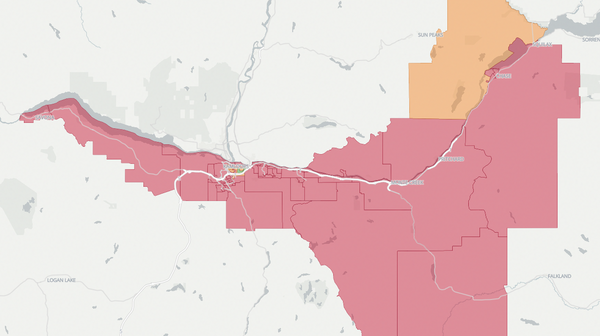
Poll-by-poll results for Penticton in the 2020 British Columbia election. The BC Liberal Party candidate won this riding. Explore detailed voting data, candidate results, and turnout statistics at the poll level.
Riding information
Auto generated. Flag an issue.Penticton
Penticton sits at the southern tip of Okanagan Lake and encompasses the city of Penticton along with Summerland, Naramata, and surrounding South Okanagan communities. The riding's economy depends on tourism, wine production, fruit orchards, and retirement services, with roughly eighty wineries drawing visitors from across western Canada. The region has a growing retiree population but also attracts younger families seeking alternatives to Lower Mainland housing costs. Politically, the seat had been held by the BC Liberals since 2013, making it one of a handful of competitive Liberal seats in the southern interior.
The 2020 snap election arrived at a difficult moment for the riding. The pandemic had devastated the tourism and hospitality sector, seasonal labour shortages threatened the harvest, and the opioid crisis was exacting a heavy toll on Penticton's downtown. The BC Liberals' incumbent sought a third term, while the NDP aimed to capitalize on provincial momentum and local frustration to flip the seat.
Candidates
Dan Ashton (BC Liberal Party) — Ashton was raised in Penticton and returned after university to work in his family's retail business, which operated locations across the Okanagan, the Kootenays, and the Lower Mainland. He served as a Penticton city councillor from 1999 to 2008, then as mayor from 2008 to 2013, while also chairing the Regional District of Okanagan-Similkameen for over a decade. He was first elected to the Legislature in 2013.
Toni Boot (BC NDP) — Boot was the mayor of Summerland and the first Black mayor in British Columbia's history. Raised in Summerland as part of a multiracial adoptive family of ten children, she built a career in horticulture, launching and operating Grasslands Nursery, a business focused on water-conserving landscaping for the Okanagan climate. She had previously co-owned the Kettle Valley Dried Fruit Company, taught landscape horticulture at Okanagan College, and served four years on Summerland council before being elected mayor.
Ted Shumaker (BC Green Party) — Shumaker was a retired hospital pharmacist who had spent twenty years with Interior Health working in communities across the South Okanagan, including Oliver, Summerland, and Penticton. The 2020 election was his first run for public office, and his platform emphasized mental health and addictions services.
Keith MacIntyre ran for the Libertarian Party with limited support.
Local Issues
The opioid crisis hit Penticton with disproportionate severity during the NDP's first term. The city recorded some of the highest overdose death rates in the Okanagan, and the absence of local detox beds meant that residents seeking treatment faced lengthy waitlists and sometimes had to travel outside the community for care. In 2019, the Community Action Team was established—a collaborative body bringing together Interior Health, the City of Penticton, the Penticton Indian Band, the Okanagan Nation Alliance, the RCMP, and local service providers—to coordinate the local response to the toxic drug supply crisis. A safe needle disposal strategy was completed in 2018, but the scale of the epidemic continued to outpace available harm reduction and treatment resources. Indigenous people were dramatically overrepresented among those experiencing homelessness and substance use challenges, a disparity that the Community Action Team identified as a priority.
Homelessness had become increasingly visible in the downtown core during the NDP's term. The community-driven 100 More Homes Penticton initiative, launched in 2016 with the goal of housing one hundred vulnerable individuals by July 2018, had made progress but could not keep pace with rising need. The city invested hundreds of thousands of dollars in downtown safety measures, but local officials acknowledged these could not address root causes. By late 2020, BC Housing was seeking a Temporary Use Permit for a 42-bed emergency shelter at a former church property on Winnipeg Street, a proposal that generated the same neighbourhood resistance that supportive housing projects encountered in communities across the province. The intersection of addiction, mental health, and housing instability had transformed public spaces in ways that strained the patience of business owners and the capacity of social service providers.
The COVID-19 pandemic dealt a heavy blow to the tourism, hospitality, and agriculture sectors that formed the backbone of the riding's economy. The South Okanagan's roughly eighty wineries depended heavily on tasting-room traffic—which for many operations accounted for between thirty-five and seventy-five percent of annual revenue—and the closure of tasting rooms under public health orders hit smaller producers especially hard. Seasonal worker shortages compounded the challenge, as fruit growers entering the 2020 harvest season struggled to secure the labour needed to pick time-sensitive crops. Restaurants, hotels, and seasonal attractions that relied on visitor traffic from the Lower Mainland and Alberta faced an uncertain recovery, and small business operators looked to the provincial government for financial support.
The proposed South Okanagan—Similkameen National Park Reserve advanced during the NDP's term, with a Memorandum of Understanding signed in July 2019 by the governments of Canada and British Columbia and the syilx/Okanagan Nation to formally work toward establishing the reserve across roughly 270 square kilometres of natural and cultural landscapes in the Mount Kobau, Spotted Lake, and Kilpoola areas. Public consultations between December 2018 and March 2019 drew nearly 2,850 survey submissions and thirty-nine stakeholder meetings. The proposal was welcomed by conservation advocates but remained a source of tension among some ranchers and recreational users concerned about access restrictions, adding another layer to the complex relationship between environmental protection and economic activity in the South Okanagan.