Shuswap — 2020 British Columbia Provincial Election Results Map
Shuswap — 2020 Election Results
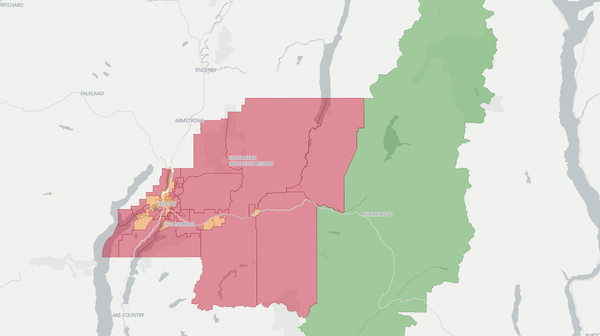
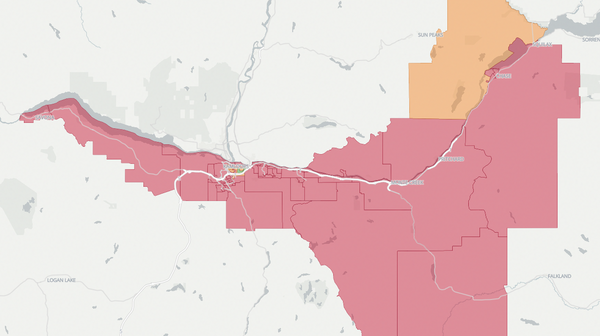
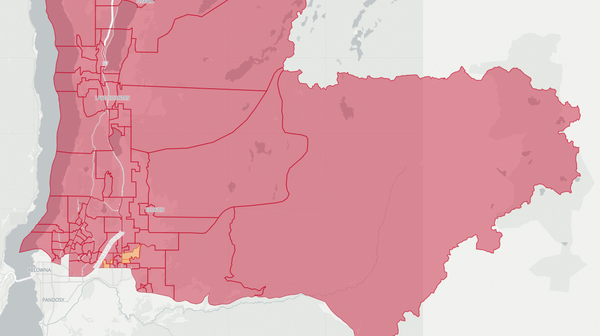
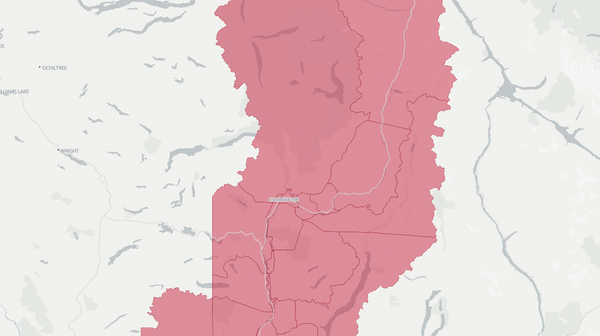
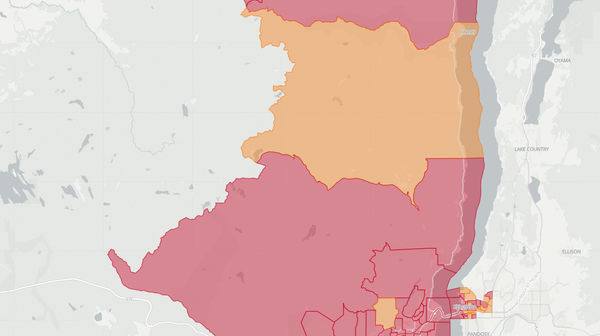
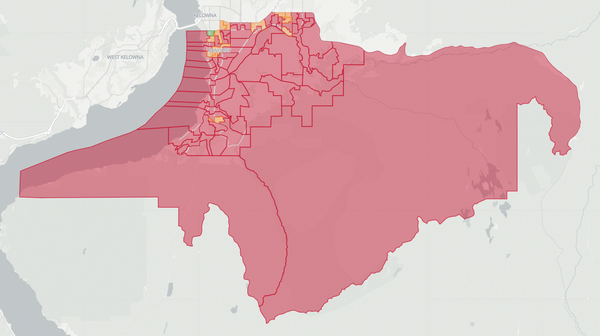
Poll-by-poll results for Shuswap in the 2020 British Columbia election. The BC Liberal Party candidate won this riding. Explore detailed voting data, candidate results, and turnout statistics at the poll level.
Riding information
Auto generated. Flag an issue.Shuswap
The Shuswap riding occupies a scenic corridor of British Columbia's southern interior between Kamloops and the Okanagan, centred on the city of Salmon Arm and encompassing the communities of Sicamous, Enderby, and the rural shoreline of Shuswap Lake. The region's economy has long rested on three pillars — forestry, agriculture, and the seasonal tourism drawn to the lake's houseboating and outdoor recreation — though by 2020 the forestry sector was reeling from a wave of interior mill closures driven by the mountain pine beetle epidemic's long tail and weak lumber markets.
The riding had been a reliable centre-right seat for decades, electing BC Liberals since 1996 after the NDP's sole win in 1991 amid Social Credit-Liberal vote splitting. The BC Liberals had won the two most recent elections by comfortable margins, and despite the NDP's strong provincial polling in 2020, the riding was expected to remain in the Liberal column, making it a test of whether the NDP wave could reach deep into the interior.
Candidates
Greg Kyllo (BC Liberal Party) — Born in Fort St. John, Kyllo's family relocated to Sicamous in 1978, where he attended local schools and studied at Okanagan College in Salmon Arm. He spent twenty-four years as president and CEO of Twin Anchors Marine and TA Structures, a Sicamous-based manufacturing company, before entering politics. He served on Sicamous District Council beginning in 2011 and was appointed deputy mayor prior to his first provincial win in 2013.
Sylvia Lindgren (BC NDP) — A Salmon Arm city councillor and longtime education worker, Lindgren spent eighteen years as an education assistant in the public school system, during which she served as president of her local CUPE chapter. Her union involvement led to broader advocacy on workers' rights and occupational health and safety. She had previously run against Kyllo in 2017, and used her council experience to bolster her second provincial bid.
Owen Madden (BC Green Party) — Originally from Ireland, where he trained as a lawyer and worked as a criminal prosecutor, Madden studied climate change law in Scotland before moving to British Columbia. He worked as a climate campaigner for the Wilderness Committee and later settled on a small organic vegetable farm near Enderby with his partner.
Local Issues
The family doctor shortage in the Shuswap had reached acute levels by 2020. A survey of nine medical clinics in and around Salmon Arm found that seven were not accepting new patients, with the Bastion Medical Centre maintaining a waitlist of over 1,200 names and the Maple Tree Medical Clinic carrying approximately 150. Physicians in smaller communities like Enderby and Chase reported being expected to serve as generalist, emergency, and specialist providers simultaneously — a workload that practitioners described as unsustainable. NDP candidate Sylvia Lindgren highlighted her party's commitment to opening a medical school at Simon Fraser University as a long-term solution, while Kyllo emphasized the need for immediate financial incentives to recruit doctors to rural practices where the hiring process was often described as convoluted and slow.
The forestry sector, historically the Shuswap's largest industrial employer, was reeling from the worst wave of mill closures the BC interior had seen in a generation. In 2019 alone, four major lumber facilities across the interior permanently closed — including Canfor's Vavenby mill, Tolko's Quesnel sawmill, West Fraser's Chasm operation, and Interfor's Hammond facility — eliminating over 650 million board feet of provincial lumber capacity. The Canoe Forest Products plywood and veneer plant east of Salmon Arm, with approximately two hundred employees, had managed to avoid curtailment thanks to relatively stable plywood pricing, but the broader collapse of the interior timber supply — driven by the long tail of the mountain pine beetle epidemic, a spike in provincial stumpage rates that took effect in July 2019, and weak North American lumber markets — cast a shadow over the riding's resource-dependent communities.
Natural disaster preparedness had become a visceral concern for Shuswap residents after consecutive years of emergencies. The catastrophic 2017 and 2018 wildfire seasons had seen mass evacuations across the interior, and in the spring of 2018, Shuswap Lake rose to a peak of 349.14 metres — just centimetres below the threshold at which floodwaters would inundate downtown Sicamous. BC Wildfire Service crews were deployed to sandbag critical infrastructure in Salmon Arm's Canoe Beach area to protect the municipal water treatment plant, while crews in Sicamous focused on protecting pump and lift stations along Kappel Street. The back-to-back emergencies exposed gaps in the province's capacity to coordinate wildfire, flood, and public health responses simultaneously, a concern that took on new dimensions in 2020 as the pandemic added another layer of risk heading into what forecasters warned could be another active fire season.
The NDP government's September 2020 announcement of old-growth logging deferrals — covering 353,000 hectares of at-risk forest — was contentious in a riding where forestry workers viewed the deferrals as a further threat to an already diminished timber supply. Environmental advocates argued the deferrals were long overdue and insufficient, while industry representatives warned that restricting access to remaining harvestable timber would accelerate job losses in communities already staggering from mill closures. The tension between conservation and economic survival was a recurring theme at all-candidates forums across the Shuswap.