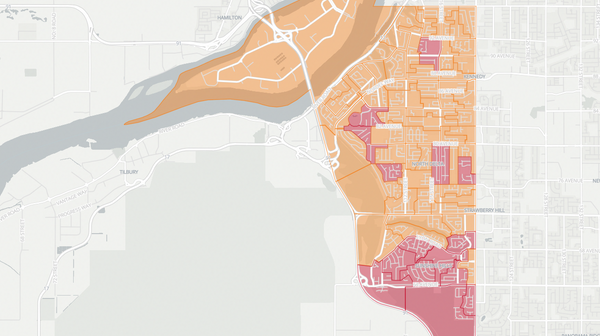
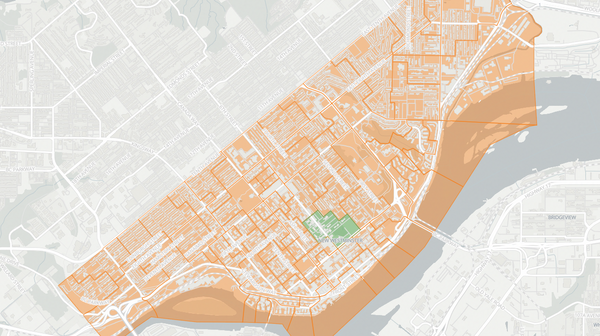
Surrey-Green Timbers — 2020 British Columbia Provincial Election Results Map
Surrey-Green Timbers — 2020 Election Results
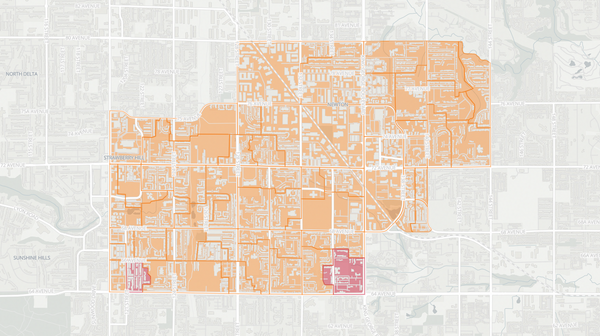
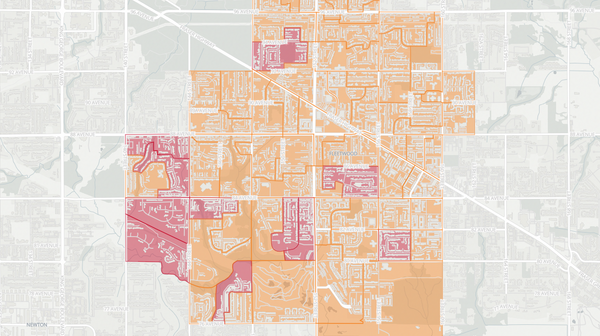
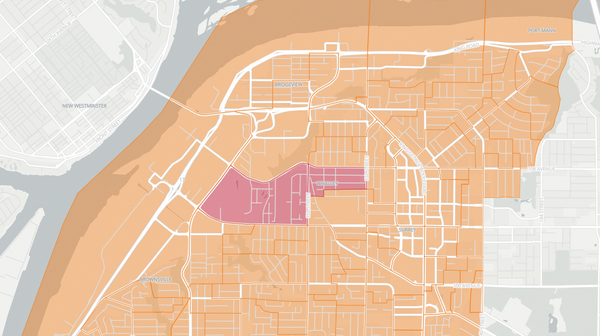
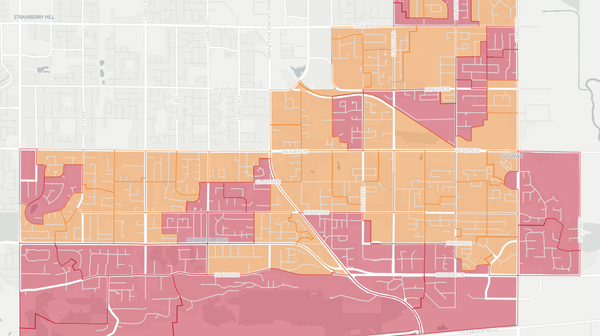
Poll-by-poll results for Surrey-Green Timbers in the 2020 British Columbia election. The BC NDP candidate won this riding. Explore detailed voting data, candidate results, and turnout statistics at the poll level.
Riding information
Auto generated. Flag an issue.Surrey-Green Timbers
Surrey-Green Timbers ranks among the most linguistically diverse ridings in British Columbia. Nearly half the population speaks Punjabi as a mother tongue, and a large proportion of residents are immigrants, making multilingual outreach and culturally accessible services central to every campaign. The riding sits in northwestern Surrey, bordered to the west by the Whalley neighbourhood and anchored by Green Timbers Urban Forest park at its northeastern corner, with a residential landscape of single-family homes, low-rise apartments, and commercial strips serving the local South Asian community.
The riding had been a reliable NDP stronghold since its creation in 1991, with the party winning every election except the province-wide BC Liberal landslide of 2001. The NDP held the seat heading into 2020, and with the party polling strongly across Surrey, the riding was expected to remain safely in the NDP column in what shaped up as a straight two-candidate contest.
Candidates
Rachna Singh (BC NDP) — Born in Delhi and raised in Chandigarh, Singh earned a master's degree in psychology from Panjab University before moving to Canada in 2001. She settled in Surrey and worked as a drug and alcohol counsellor and as a support worker for women experiencing domestic violence. Active in her labour union, she rose to become a National Representative for the Canadian Union of Public Employees. During her first term as MLA from 2017 to 2020, she advocated on issues including school funding, anti-racism initiatives, and affordable child care.
Dilraj Atwal (BC Liberal Party) — Atwal grew up in Delhi and attended St. Stephen's College at the University of Delhi, where he earned a bachelor's degree with majors in philosophy and economics. After immigrating to Canada in 2011, he worked in the banking industry before founding a residential construction company in Surrey. He was a past member of the British Columbia provincial and Canadian national cricket teams.
Local Issues
The NDP government's response to homelessness and street-level drug use in the Whalley area — which bordered the riding's western edge — was a defining issue during the 2017-2020 term. In 2018, the province allocated approximately $15.8 million to construct 160 units of temporary modular housing across three sites in Whalley, operated by Lookout Housing and Health Society with twenty-four-hour staffing, to house residents of the tent encampment that had grown along 135A Street. The modular units offered individual rooms with private bathrooms, meal service, counselling, and employment programming. The initiative moved 173 people from the encampment into shelter or permanent housing, but residents of adjacent neighbourhoods in Surrey-Green Timbers debated whether the modular housing had adequately addressed the root causes of homelessness or simply relocated the visible symptoms. The broader opioid crisis continued to intensify: British Columbia recorded 1,716 illicit drug toxicity deaths in 2020, with Surrey among the hardest-hit communities and the riding's proximity to concentrated drug activity making overdose emergencies a part of daily life for many residents.
Health care access for the riding's large immigrant and non-English-speaking population remained a persistent challenge that the NDP's first term had not fully resolved. Navigating the health care system without adequate language support was difficult for Punjabi-, Hindi-, and Mandarin-speaking residents, and the availability of multilingual services at Surrey Memorial Hospital and community health clinics fell short of demand. Wait times for surgery and specialist referrals had worsened during the pandemic, as the province deferred elective procedures to preserve hospital capacity for COVID-19 patients. The NDP government's creation of new urgent and primary care centres across Surrey was intended to relieve pressure on the hospital's emergency department, but by the time of the 2020 election, residents in Green Timbers reported that finding a family physician who could communicate in their language remained one of the most significant barriers to accessing care.
Affordable housing and economic security were closely linked issues in a riding where many families worked in low-wage service sector jobs. The NDP's changes to the Residential Tenancy Act — including capping annual rent increases at inflation and eliminating the landlord's ability to add two per cent above the consumer price index — provided some protection for existing tenants, but rents in Surrey-Green Timbers had continued to rise as older rental stock was replaced by higher-priced new construction. The pandemic's impact on employment in retail, hospitality, and personal services disproportionately affected the riding's working-class population, with many workers in precarious or informal employment arrangements falling through the gaps in federal and provincial relief programs.
The riding's schools faced the same overcrowding pressures that affected all of Surrey's constituencies, but the challenge was compounded by the demographic profile of the student population. Many families in Surrey-Green Timbers required English Language Learning supports for their children, adding resource demands on top of the physical space constraints created by the district's reliance on hundreds of portable classrooms. Singh pointed to NDP investments in new school construction and seismic upgrades across the Surrey School District, but acknowledged that the pace of classroom construction had not kept up with the city's population growth.