Surrey-Fleetwood — 2020 British Columbia Provincial Election Results Map
Surrey-Fleetwood — 2020 Election Results
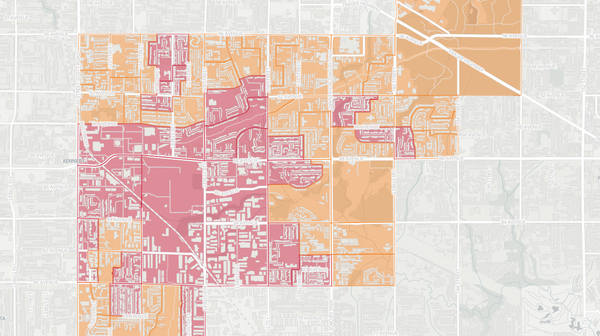
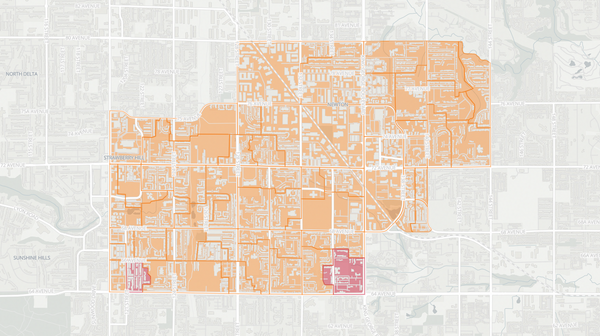
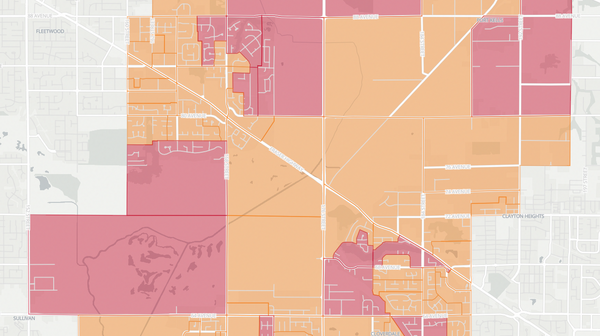
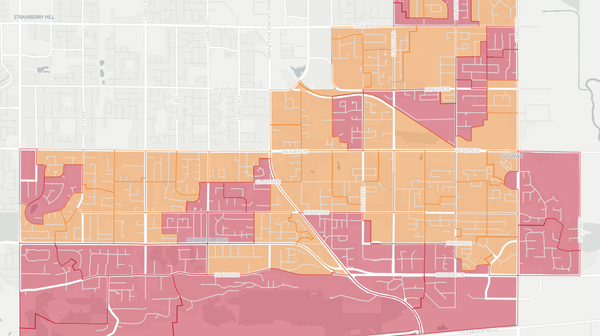
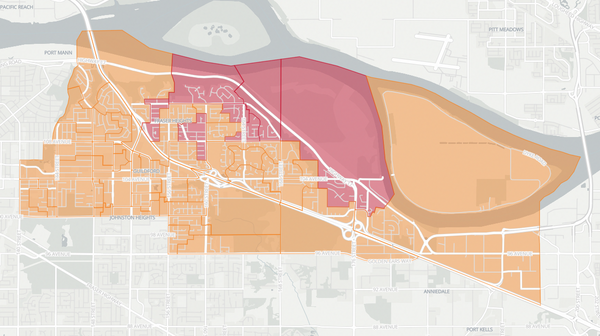
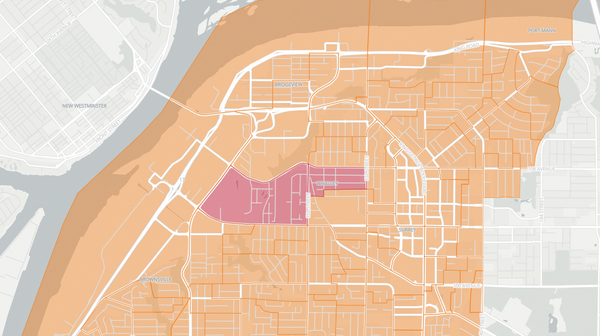
Poll-by-poll results for Surrey-Fleetwood in the 2020 British Columbia election. The BC NDP candidate won this riding. Explore detailed voting data, candidate results, and turnout statistics at the poll level.
Riding information
Auto generated. Flag an issue.Surrey-Fleetwood
Surrey-Fleetwood is centred on the Fleetwood neighbourhood along Fraser Highway, a diverse area where significant South Asian, Chinese, and Korean communities coexist in a landscape of single-family homes, townhouse developments, and commercial strips. The riding's proximity to major transportation corridors and its position at the centre of Surrey's northern half made it emblematic of the city's broader urban transformation, with the planned SkyTrain extension along Fraser Highway promising a generational shift in transit access.
The riding had been a closely contested swing seat since its creation in 2009, changing hands between the NDP and Liberals at each election. The NDP won it in 2009, lost it by just 265 votes in 2013, and recaptured it in 2017. Heading into 2020, the NDP held the seat and was polling strongly across Surrey, but the riding's competitive recent history meant neither party could take the outcome for granted.
Candidates
Jagrup Brar (BC NDP) — Born in Bathinda District, Punjab, India, Brar was a former member of the Indian men's national basketball team before immigrating to Canada. He earned a Master's degree in Public Administration from the University of Manitoba and worked in career and entrepreneurship development for non-profit organizations, including as executive director of the Surrey Self Employment and Entrepreneur Development Society. First elected in a 2004 by-election in Surrey-Panorama Ridge, he held Surrey-Fleetwood from 2009 to 2013, lost narrowly in 2013, and regained the seat in 2017.
Garry Thind (BC Liberal Party) — A Surrey Board of Education trustee serving his second term, Thind held a bachelor's degree in Electronics Engineering from Bangalore University, India, and moved to Canada in 1999. His campaign was overshadowed by allegations that a WhatsApp group associated with his campaign had solicited personal voter information for the purpose of requesting mail-in ballots on voters' behalf. An Elections BC investigation found no evidence that corrupt voting had occurred.
Dean McGee (BC Green Party) — A parent advocate and past president and spokesperson of the Surrey District Parent Advisory Council, McGee grew up in Fleetwood and North Delta and worked as a surveyor, including on the Port Mann Highway 1 project. He co-founded the civic party Proudly Surrey for the 2018 municipal elections, when he ran for Surrey school board.
Local Issues
The decision to extend SkyTrain along Fraser Highway — replacing the previous government's light rail transit proposal — was the most significant infrastructure development affecting Surrey-Fleetwood during the NDP's term. Following Mayor McCallum's October 2018 election and Surrey Council's subsequent withdrawal of support for the light rail project, TransLink spent 2019 developing a reference concept design and business case for a sixteen-kilometre SkyTrain extension from King George Station to Langley, with stations planned in Fleetwood. The Mayors' Council approved the business case in January 2020, with Stage 1 — from King George to 166th Street — to be built within the existing $1.63-billion funding envelope, pending formal approval from the provincial and federal governments to reallocate funds from the cancelled LRT project. For Fleetwood commuters who relied on congested bus routes along Fraser Highway, the SkyTrain promise represented a generational improvement in transit access, but construction had not begun by the time of the 2020 election, and residents questioned whether the project would proceed on the projected timeline.
School overcrowding was the most pressing daily concern for families in Surrey-Fleetwood. The Surrey School District's 361 portable classrooms — costing over $10.7 million annually to maintain — remained a visible symbol of the gap between the city's population growth and its education infrastructure. In the 2020 campaign, the NDP promised 500-seat expansions at both Fleetwood Park Secondary School, which would grow from 1,200 to 1,700 students, and Clayton Heights Secondary. McGee's involvement with the Surrey District Parent Advisory Council gave the Green candidate particular credibility on education issues, and he pressed both major parties on the unfulfilled 2017 promise to eliminate portables. The City of Surrey's Fleetwood Plan, launched in April 2019, envisioned comprehensive land use changes along the Fraser Highway corridor tied to the future SkyTrain stations, but community engagement during 2019-2020 revealed concerns that densification would further strain school capacity before new spaces could be built.
The opioid crisis cast a long shadow over the riding. British Columbia's 2020 death toll of 1,716 illicit drug toxicity fatalities — averaging nearly five deaths per day — marked a seventy-four per cent increase over 2019, with Surrey consistently among the province's hardest-hit communities. The crisis touched Fleetwood's residential neighbourhoods through emergency calls, property crime linked to addiction, and the fear among parents that young people were vulnerable to recruitment into the drug trade. Candidates debated whether the province's harm reduction approach, including supervised consumption sites and naloxone distribution, was sufficient or whether greater investment in treatment beds and recovery programs was needed.
The pandemic's economic impact on Fleetwood's small business community added urgency to the campaign. Restaurants, retail shops, and personal service businesses along Fraser Highway faced months of reduced revenue under public health restrictions, and the riding's significant population of self-employed workers and gig economy participants found themselves ineligible for some provincial support programs designed around traditional employer-employee relationships. The NDP's temporary pandemic supports — including the emergency benefit for workers and the temporary rent supplement — provided relief for some residents, but the long-term economic recovery of the riding's commercial strips remained an open question.