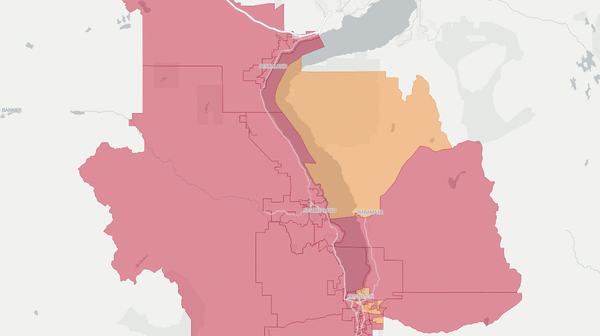
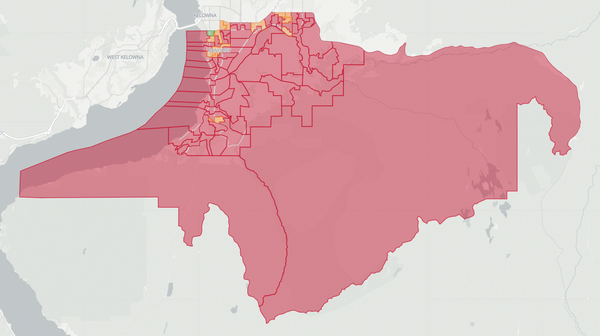
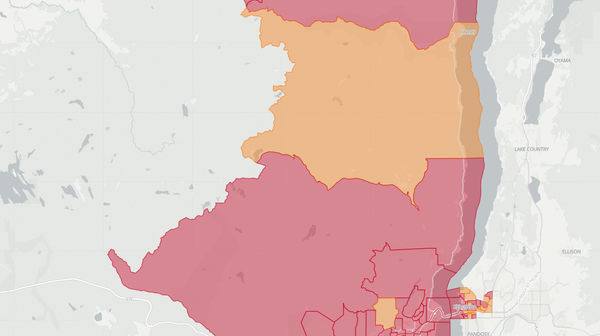
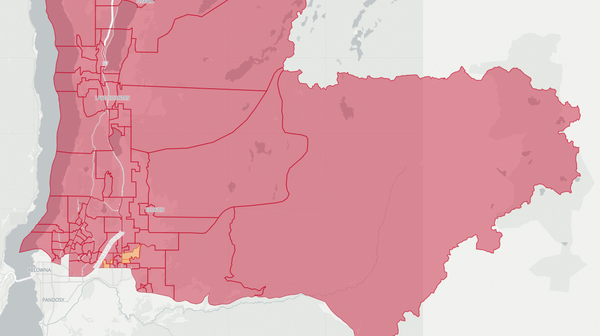
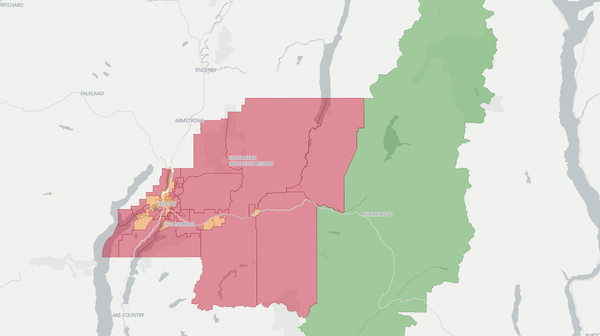
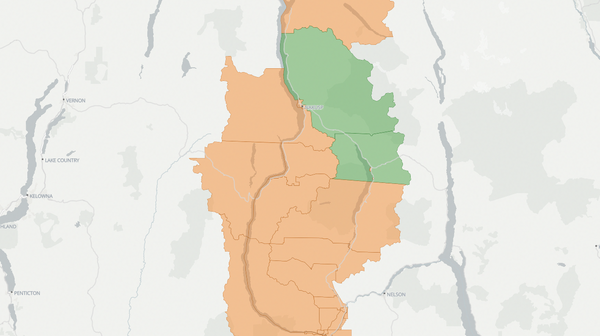
Boundary-Similkameen — 2020 British Columbia Provincial Election Results Map
Boundary-Similkameen — 2020 Election Results
Poll-by-poll results for Boundary-Similkameen in the 2020 British Columbia election. The BC NDP candidate won this riding. Explore detailed voting data, candidate results, and turnout statistics at the poll level.
Riding information
Auto generated. Flag an issue.Boundary—Similkameen
Boundary—Similkameen stretches from the wine country of Oliver and Osoyoos in the South Okanagan through the ranching and orchard communities of the Similkameen Valley — Keremeos, Princeton — to the Boundary region around Grand Forks and Greenwood, one of Canada's smallest cities. The riding's economy rests on agriculture, viticulture, forestry, mining, and tourism, with more than forty wineries in the Oliver-Osoyoos corridor and orchards producing cherries, peaches, and apples across the valley benchlands. The catastrophic 2018 flooding of the Kettle River, which exceeded 200-year flood levels and devastated Grand Forks, remained a defining event for the eastern half of the riding heading into the 2020 campaign.
The BC Liberals had held the seat since 2013, but the retirement of incumbent Linda Larson made it an open riding for the first time in two cycles. A four-candidate field contested a seat where the NDP saw an opportunity to pick up ground in a region that had swung between parties over the decades, with resource-sector anxiety and flood recovery shaping the political landscape.
Candidates
Roly Russell (BC NDP) — Russell was born and raised in rural Grand Forks and held a PhD in ecology, having studied at UBC, the University of Melbourne, Oregon State University as a Fulbright Scholar, and Columbia University's Earth Institute. He was the founder of the Sandhill Institute for Complexity and Sustainability in Grand Forks and served as the director for Electoral Area D (Rural Grand Forks) in the Regional District of Kootenay Boundary. His academic research focused on biodiversity, sustainability, and decision-making under conditions of uncertainty.
Petra Veintimilla (BC Liberal Party) — Veintimilla was a second-term town councillor in Oliver and a director on the Regional District of the Okanagan—Similkameen board. She also served as chair of the Okanagan—Similkameen Regional Hospital District, giving her direct oversight of healthcare capital planning in the region.
Darryl Seres (Conservative) — Seres was a wine and tourism guide based in Osoyoos who had worked for twelve years in the non-profit sector in education, management, and overseas humanitarian development. He served as vice-president of the BC Conservative Party and had been a long-serving director on the party's board. The 2020 election was his first run for public office.
Arlyn Greig (Wexit BC) received a minor share of the vote.
Local Issues
Flood recovery and mitigation in Grand Forks had consumed the community since the catastrophic May 2018 flooding of the Kettle and Granby Rivers, which exceeded 200-year flood levels, damaged more than 500 buildings, and caused an estimated $38 million in losses across residential, commercial, agricultural, and industrial properties. By the time of the 2020 election, the provincial and federal governments had committed more than $50 million to recovery and mitigation, including the construction of a 714-metre dike and a 505-metre drainage system to protect a 100-home neighbourhood and a seventeen-hectare industrial area that included the city's public works yard and wastewater treatment facility. A neighbourhood buyout program in the North and South Ruckle areas had secured voluntary agreements from ninety-seven per cent of approximately one hundred property owners, returning flood-prone land to its natural floodplain state. Residents in Grand Forks were also watching a proposed class action lawsuit filed in B.C. Supreme Court in July 2020, alleging that the provincial Ministry of Forests and major logging companies had overestimated sustainable harvest levels in the Boundary region, contributing to the conditions that produced the devastating floods.
The NDP government's investment in primary care had begun to address the riding's chronic physician shortage, though progress was uneven. In May 2019, the province launched the South Okanagan Similkameen Primary Care Network, a partnership between the Ministry of Health, Interior Health, and the local Division of Family Practice that promised to recruit up to twenty-two new health-care providers — including six general practitioners and five nurse practitioners — over three years. Initially based in Penticton and Summerland, the network was planned to expand to Oliver, Osoyoos, Keremeos, and Princeton. For residents in the riding's scattered communities, where the nearest hospital might be forty minutes away by car, the pace of this expansion was a critical question. The pandemic had added further strain, and candidates debated whether the recruitment targets were ambitious enough for a region that had struggled to attract and retain medical professionals for decades.
The wine and agriculture industry was central to the South Okanagan's economy. Oliver and Osoyoos were home to more than forty member wineries in the Oliver Osoyoos Winery Association, and the region's orchards produced cherries, peaches, apples, and wine grapes. The NDP government's Bill 52 reforms to the Agricultural Land Reserve — which reunified the ALR into a single zone and imposed new restrictions on non-farm uses of agricultural land — had implications for operations that blended farming with wine tourism. Shifting weather patterns, including hotter summers and less predictable water availability, were pressuring growers who depended on the region's already limited irrigation infrastructure.
Wildfire preparedness remained a background concern across the riding. The record-breaking 2017 and 2018 fire seasons had heightened awareness of the risks facing rural communities surrounded by forest, and the NDP government had increased funding for community wildfire protection planning and fuel management. But residents in smaller centres like Princeton, Keremeos, and Greenwood questioned whether the investment matched the scale of the threat, particularly as climate projections pointed to longer and more intense fire seasons in the southern Interior.