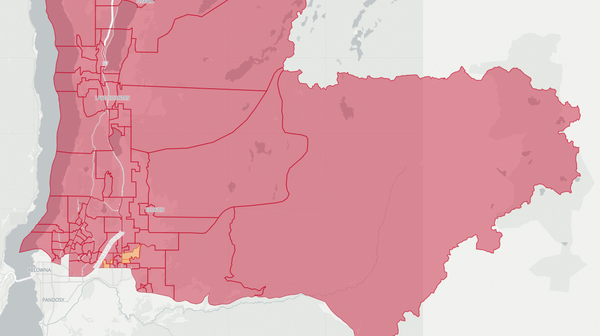
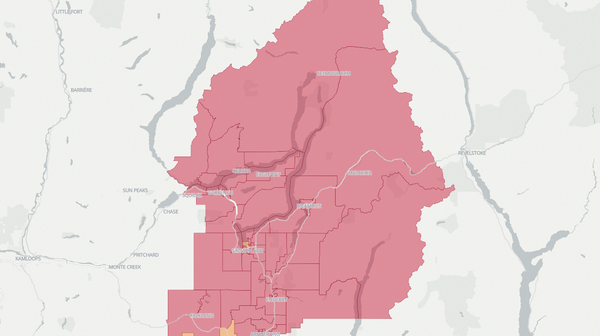
Nelson-Creston — 2020 British Columbia Provincial Election Results Map
Nelson-Creston — 2020 Election Results
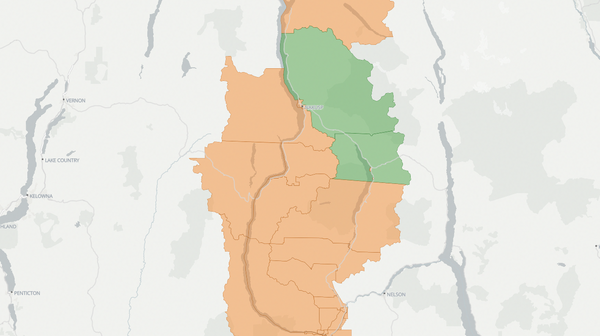
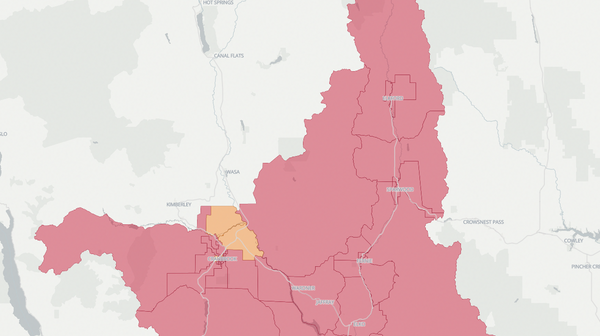
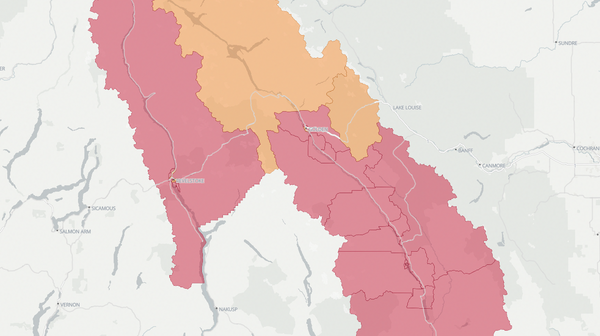
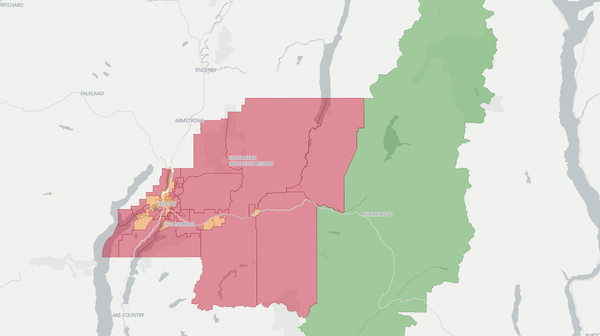
Poll-by-poll results for Nelson-Creston in the 2020 British Columbia election. The BC NDP candidate won this riding. Explore detailed voting data, candidate results, and turnout statistics at the poll level.
Riding information
Auto generated. Flag an issue.Nelson—Creston
Nelson—Creston spans the West Kootenay region of southeastern British Columbia, from the artistically vibrant small city of Nelson on the west arm of Kootenay Lake to the agricultural centre of Creston in the flat, fertile valley to the southeast. The riding takes in the communities along the lake's east shore, connected to the west by a provincial ferry service, and the mountain passes and valleys that give the Kootenays their distinctive character. The local economy blends tourism, agriculture, small-scale manufacturing, the creative sector, and the public services that anchor Nelson as a regional centre. The riding had been NDP territory for most of the preceding five decades, though the BC Green Party had demonstrated growing strength in the region.
The 2020 snap election created an open-seat contest after the three-term NDP incumbent chose not to seek re-election. The race unfolded in communities navigating COVID-19's economic disruption alongside deeper questions about housing affordability, wildfire risk, and health care access across a geographically dispersed riding.
Candidates
Brittny Anderson (BC NDP) — Anderson was a Nelson city councillor and small business owner who sat on the board of the Regional District of Central Kootenay. She studied at Selkirk College and graduated from UBC Okanagan with a degree in international relations, then completed a master of science degree in environmental science and policy in Budapest. Before entering municipal politics, she worked in the RDCK's environmental services department, focused on recycling and water systems.
Nicole Charlwood (BC Green Party) — Charlwood was a community organizer who had served as executive director of the West Kootenay EcoSociety. She was treasurer of the Nelson Waldorf Community School Association, a member of the RDCK watershed advisory committee, and had been campaign manager for Green candidates in the riding before running as the candidate herself.
Tanya Finley (BC Liberal Party) — Finley co-owned Finley's Bar and Grill and Sage Wine Bar in Nelson with her husband Brent since 2003. She served as president of the Nelson and District Chamber of Commerce and as a director on the BC Chamber of Commerce, and sat on boards including the Nelson Street Culture Collaborative and the Nelson and Area Economic Development Partnership.
Terry Tiessen ran for the Libertarian Party.
Local Issues
Nelson's housing crisis had intensified measurably during the NDP's three years in government. The city's rental vacancy rate hovered between zero and 0.5 per cent for a sustained period, far below the three-to-five per cent range considered healthy. In 2020, the City of Nelson and the Regional District of Central Kootenay released their first-ever housing needs report, documenting the widening gap between incomes and housing costs in a community long prized as a lifestyle destination. Competition for rentals was fierce, and lower-income residents, artists, and young families found themselves squeezed by rising rents in a market with virtually no available units. The NDP government responded with targeted provincial investments: in 2019, BC Housing announced funding for new affordable rental units for families and seniors in Nelson through partnerships with local housing providers, including Nelson CARES Society. But the scale of construction remained well short of what was needed to address a structural shortage that had been building for years.
The Kootenay Lake ferry service, a lifeline for East Shore communities, received a significant commitment during the NDP's term. In April 2019, the provincial and federal governments announced a joint $55-million investment to replace the aging MV Balfour with a new, larger electric-ready vessel capable of carrying 50 to 60 vehicles — nearly double the Balfour's capacity. The project also included safety and amenity upgrades to both the Balfour and Kootenay Bay terminals, with plans for new washrooms, sheltered waiting areas, and improved highway access along Highway 31 and Highway 3A. For residents who depended on the ferry crossing for work, medical appointments, and daily errands, the announcement was welcome but raised questions about timing: the new vessel was not expected to enter service for several years, and in the interim, summer sailing waits and capacity overloads on the MV Osprey 2000 remained a source of frustration.
Wildfire risk had become a pervasive concern across the riding following the 2017 and 2018 fire seasons, which brought smoke, evacuation alerts, and the direct threat of fire to Kootenay communities. Nelson, nestled against forested slopes, was assessed as being at the highest level of wildfire risk, and by 2020 experts noted that the situation had not materially improved. The Creston Valley Fire Resiliency Committee undertook fuel management work in the forests surrounding Creston, but the scope of the landscape-level risk exceeded what local initiatives could address. The intersection of fire risk, climate change, and forest management resonated deeply in a riding where residents valued the natural environment as both a way of life and an economic asset, and candidates were pressed on what the province would do to accelerate FireSmart planning and community preparedness.
Health care access persisted as a challenge across the riding's dispersed communities. The Creston Valley in particular faced long travel times to specialist services and limited options for addiction treatment and mental health care outside of Nelson. The opioid crisis, while less visible in the Kootenays than in larger urban centres, was nonetheless claiming lives, and harm reduction infrastructure remained sparse in smaller communities. The pandemic added pressure to an already strained system, highlighting the vulnerability of rural health care delivery.