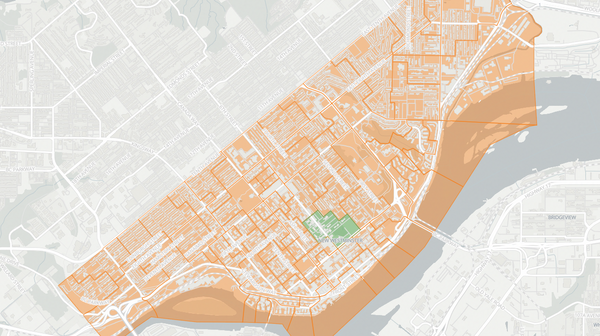
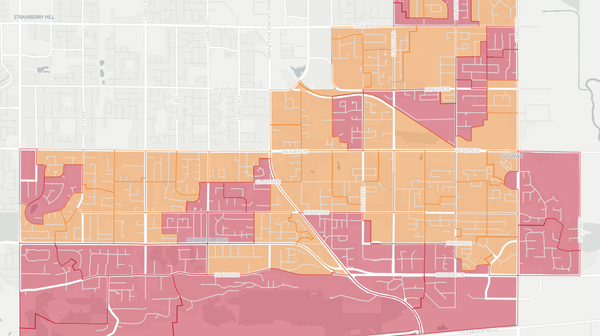
Delta North — 2020 British Columbia Provincial Election Results Map
Delta North — 2020 Election Results
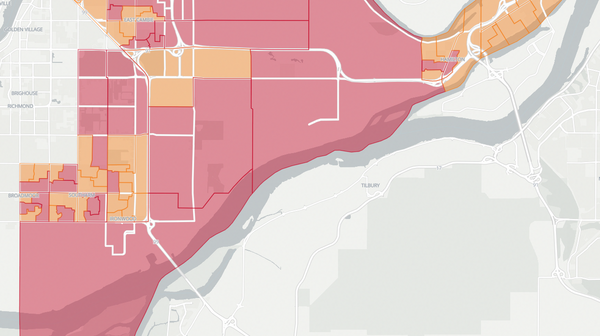
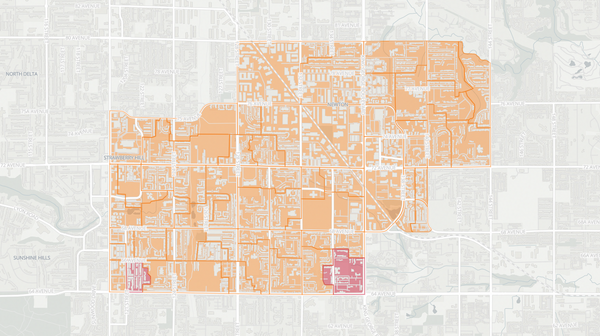
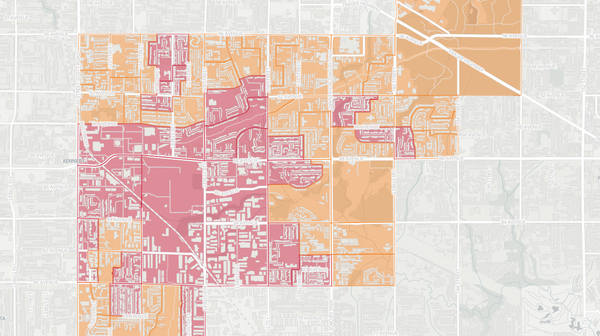
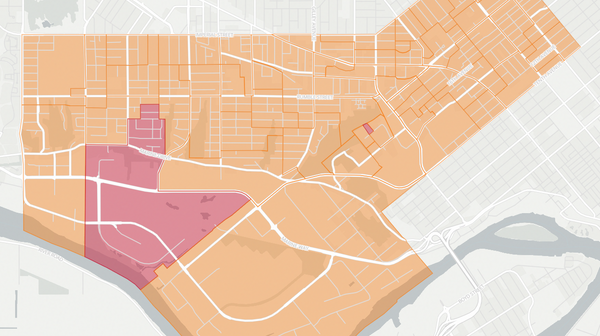
Poll-by-poll results for Delta North in the 2020 British Columbia election. The BC NDP candidate won this riding. Explore detailed voting data, candidate results, and turnout statistics at the poll level.
Riding information
Auto generated. Flag an issue.Delta North
Delta North covers the community of North Delta and the industrial lands of Annacis Island, forming a commuter-heavy suburb wedged between the Fraser River and Surrey. The riding's residential neighbourhoods — Nordel, Sunstone, Sunshine Hills, and Scottsdale — are home to a diverse, largely South Asian and East Asian population, many of whom commute daily across the Alex Fraser Bridge or through the George Massey Tunnel to workplaces in Vancouver, Burnaby, and Richmond. Pocketbook issues, transportation infrastructure, and auto insurance costs have long dominated voter concerns in the riding. Delta North had historically swung between the two major parties, and the NDP flipped the seat from the BC Liberals in 2017, making it a bellwether heading into the 2020 snap election.
Candidates
Ravi Kahlon (BC NDP) — Kahlon was the incumbent MLA, first elected in 2017. A former Canadian national field hockey player who represented Canada at the 2000 and 2008 Summer Olympics, he was inducted into the Delta Sports Hall of Fame in 2013. Born and raised in Victoria, he held a background in banking before entering politics, and during his first term he served as parliamentary secretary for sport and multiculturalism and then for forests, lands, natural resource operations, and rural development.
Jet Sunner (BC Liberal Party) — Sunner was a 28-year law enforcement veteran who commanded senior operations for the Richmond RCMP, overseeing multiple units and watches. Born in Punjab, India, and raised in Victoria, he lived in North Delta. He was a recipient of the Queen's Diamond Jubilee Award for his work with youth, founded Team Izzat to connect police officers and university students with young people, and organized community youth basketball tournaments in the area.
Neema Manral (BC Green Party) — Manral was a North Delta resident since 2008, originally from India. She held a master's degree and a bachelor in education from Mumbai University and ran Buzza Bee childcare centre in the Sunshine Hills neighbourhood. She was an interfaith volunteer and community organizer involved in numerous local organizations.
Local Issues
The George Massey Tunnel replacement remained the most prominent infrastructure debate in the riding. The NDP government had cancelled the BC Liberals' proposed ten-lane tolled bridge in 2017 and commissioned an independent technical review, which reported in December 2018 that the bridge proposal had been oversized and recommended a more modest replacement designed to reduce — but not eliminate — congestion. The review also warned that a tolled ten-lane crossing would divert an estimated 70,000 additional daily trips onto the Alex Fraser Bridge, effectively creating gridlock on the route most North Delta commuters relied upon. By October 2020, no replacement plan had been finalized, and the uncertainty frustrated residents who endured daily delays through the aging four-lane tunnel. The stalemate became a potent campaign issue, with the Liberals promising to revive the bridge plan and the NDP defending the review process as necessary to get the project right.
ICBC reform and auto insurance costs were a pocketbook issue with particular resonance in a commuter-dependent riding. The NDP government had moved to overhaul ICBC during its term, introducing limits on pain-and-suffering payouts for minor injuries in 2019 and passing legislation in August 2020 to transition to an Enhanced Care model — a no-fault-style system projected to reduce premiums by approximately 20 per cent, or an average of $400 per driver. For North Delta households where multiple vehicles were the norm, the promise of lower rates was significant. But the reform also drew criticism from trial lawyers and injury claimants who argued it stripped away the right to sue for compensation. The debate over ICBC's future played out on doorsteps across the riding, where residents weighed the appeal of lower premiums against concerns about reduced access to legal remedies after an accident.
Housing affordability had continued to tighten in North Delta during the 2017-2020 period. What had once been a relatively affordable suburban alternative to Vancouver and Burnaby was becoming less accessible to first-time buyers, and rental vacancy rates remained among the lowest in Metro Vancouver. The NDP's speculation and vacancy tax, foreign buyer surcharges, and rental protections were part of the campaign conversation, but the daily cost of living — including childcare, groceries, and commuting expenses — remained the foreground concern for many households. The pandemic had added new financial pressures, with some residents facing reduced hours or layoffs while fixed costs like mortgage payments and insurance continued unabated.
Burns Bog, one of the largest undeveloped urban landmasses in North America, remained an environmental touchpoint for the riding. The 3,000-hectare raised bog ecosystem — co-managed by Metro Vancouver and the City of Delta — faced ongoing concerns about its long-term protection from encroachment by industrial and infrastructure development. Restoration efforts continued during the NDP's term, with crews working to rehabilitate areas damaged by past fires and to improve the bog's hydrology. The ecological preserve's significance extended beyond local environmental politics; Burns Bog served as a major carbon sink and habitat for rare species, and its protection resonated with voters who saw it as a marker of whether the region could balance growth with ecological stewardship.