Vancouver-Yaletown — 2024 British Columbia Provincial Election Results Map
Vancouver-Yaletown — 2024 Election Results
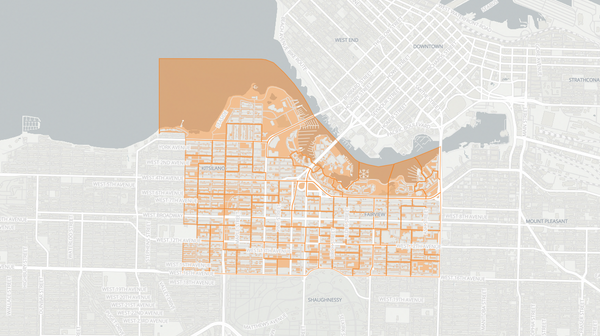
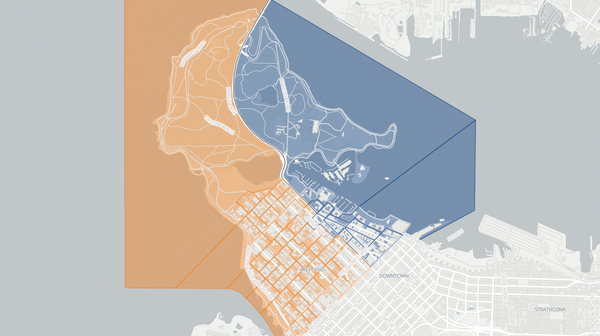
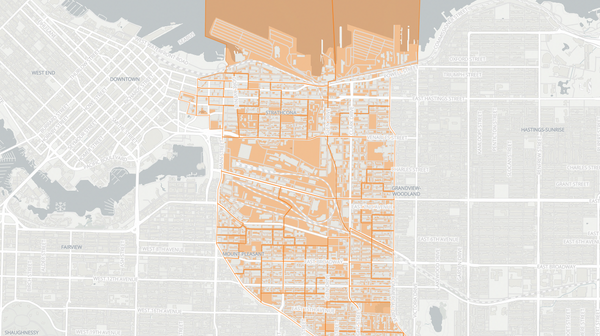
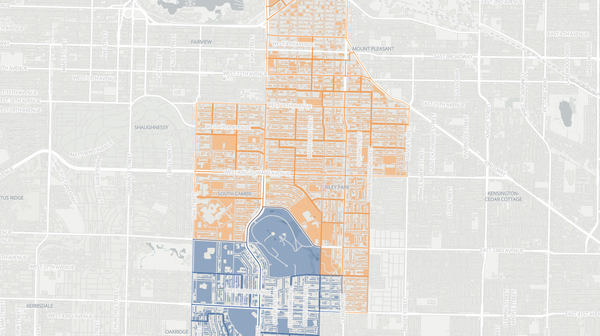
Poll-by-poll results for Vancouver-Yaletown in the 2024 British Columbia election. The BC NDP candidate won this riding. Explore detailed voting data, candidate results, and turnout statistics at the poll level.
Riding information
Auto generated. Flag an issue.Vancouver-Yaletown
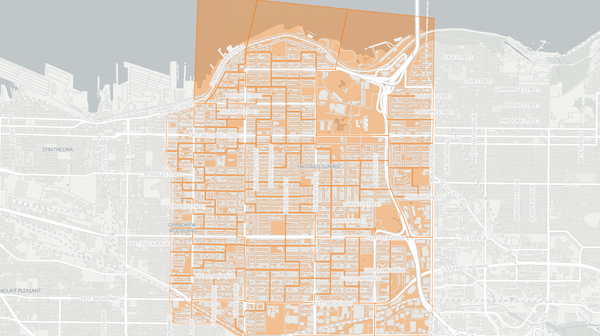
Vancouver-Yaletown is a new riding created through the 2024 redistribution, effectively carving a second downtown peninsula constituency out of the former Vancouver-False Creek and adjacent ridings. The district takes in the high-rise residential towers of Yaletown, the condo-dominated Concord Pacific developments along the north shore of False Creek, portions of the entertainment district near BC Place and Rogers Arena, and the mixed commercial-residential blocks stretching toward the Granville Bridge. Built almost entirely on former rail yards and industrial land redeveloped since the 1990s, the riding's population is younger and more transient than many Vancouver constituencies, with a high proportion of condominium owners and renters living in compact units.
Candidates
Terry Yung (BC NDP) — Yung was a retired Vancouver Police Department inspector who served on the force for thirty years, holding assignments that ranged from the Downtown Eastside beat to Financial Crime Detective to heading the department's Diversity, Community and Indigenous Relations unit. He was the longest-serving board chair of SUCCESS, one of the largest immigrant-serving organizations in British Columbia, where he helped grow the number of affordable housing units managed by the organization to more than 1,000. He is married to ABC Vancouver city councillor Sarah Kirby-Yung.
Melissa De Genova (Conservative Party) — De Genova had served three terms in elected municipal office — first as a Vancouver park board commissioner beginning in 2011, then as a city councillor elected in 2014 and re-elected in 2018. She was named one of Business in Vancouver's Top Forty Under Forty for her work in affordable housing and brought experience in private and non-profit residential development. She was unsuccessful in the 2022 municipal election. Her campaign focused on public safety, opposing drug decriminalization, and calling for more investment in treatment, prevention, and enforcement.
Dana-Lyn Mackenzie (BC Green Party) — Mackenzie was a lawyer and equity, diversity, and inclusion professional, and a member of the Hwlitsum First Nation. She practised criminal, administrative, and employment law as an associate at Acumen Law and served as Senior Manager of EDI and Indigeneity across three faculties at the University of British Columbia. She had been an elected councillor of her Coast Salish Nation since 2021.
Local Issues
Public safety and the visible effects of drug decriminalization dominated the campaign in Vancouver-Yaletown. Residents of the densely populated condo towers along Pacific Boulevard and Davie Street reported a sharp increase in open drug use on sidewalks, in parks, and in building lobbies beginning after the Health Canada exemption for possession of small quantities of illicit drugs took effect in January 2023. Vancouver's police chief described public drug consumption as spreading well beyond the Downtown Eastside into neighbourhoods including Yaletown and Coal Harbour. The NDP government responded by requesting a federal amendment to re-criminalize public drug use, which took effect in May 2024, but residents questioned whether enforcement alone would address the root causes of addiction and mental illness. The closure of a Yaletown overdose prevention site drew criticism from harm reduction advocates who argued it removed a critical safety net.
Housing affordability in a riding dominated by condominium towers presented a different challenge than in older Vancouver neighbourhoods. While the condo stock was relatively new, strata fees, insurance costs, and property assessments had risen sharply, and the rental market — much of it composed of investor-owned units rented through the secondary market — was difficult to regulate. The provincial government's speculation and vacancy tax, designed to discourage empty or underused properties, applied broadly across Metro Vancouver, but critics argued it had done little to bring down prices in a neighbourhood where demand from domestic and international buyers remained strong.
The riding's proximity to major event infrastructure — BC Place, Rogers Arena, and the surrounding entertainment district — made economic development and transportation policy salient issues. The NDP government's commitment to the Broadway Subway extension, under construction during the campaign, would improve transit connectivity for residents travelling across the city, but the riding itself lacked a direct station. Candidates debated the adequacy of bus service, the management of event-day traffic, and the need for improved pedestrian and cycling infrastructure in a neighbourhood built at high density but designed around automobile access.