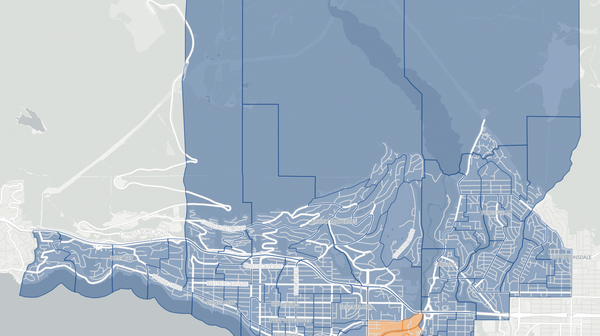
North Vancouver-Lonsdale — 2024 British Columbia Provincial Election Results Map
North Vancouver-Lonsdale — 2024 Election Results
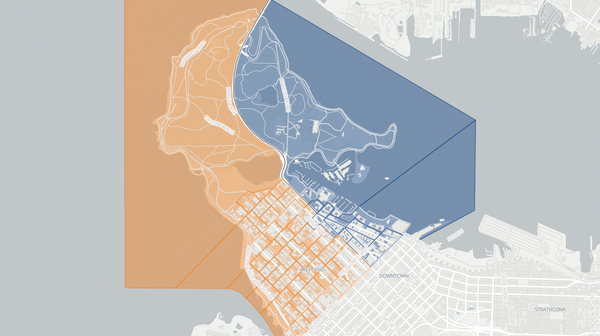
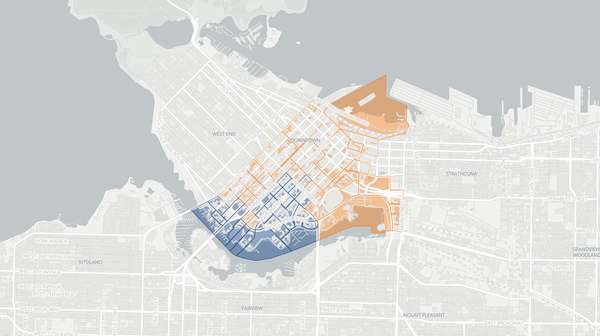
Poll-by-poll results for North Vancouver-Lonsdale in the 2024 British Columbia election. The BC NDP candidate won this riding. Explore detailed voting data, candidate results, and turnout statistics at the poll level.
Riding information
Auto generated. Flag an issue.North Vancouver—Lonsdale
North Vancouver—Lonsdale covers the City of North Vancouver and the southern portion of the District of North Vancouver, centred on the Lower Lonsdale waterfront where the SeaBus terminal provides a twelve-minute crossing to downtown Vancouver. The riding has undergone a striking transformation in recent years, with residential towers rising along the Lonsdale corridor and the Shipyards District emerging as a destination for markets, restaurants, and public gathering spaces. Burrard Inlet defines the riding's southern boundary, and the two bridge crossings that serve the entire North Shore — the Lions Gate and the Ironworkers Memorial — create the chronic transportation bottleneck that shapes daily life for the riding's commuters.
Candidates
Bowinn Ma (BC NDP) — Ma was the incumbent MLA, first elected in 2017 in a breakthrough that gave the NDP their first North Shore seat since 1991. She holds a Bachelor of Applied Science in civil engineering from the University of British Columbia and a Master of Management from UBC's Sauder School of Business, and is a licensed professional engineer and certified project management professional. Before entering politics she managed terminal expansion projects at Vancouver International Airport. During the NDP government's terms, she served as Parliamentary Secretary for TransLink and later as British Columbia's first Minister of Emergency Management and Climate Readiness.
David Splett (Conservative Party of BC) — Splett is a Chartered Professional Accountant with more than thirty years of international experience in financial and operational management. He returned to Vancouver after serving as chief financial officer for Latin America for Elevation Gold corporation in Mexico City.
Local Issues
The prospect of a rapid transit crossing of Burrard Inlet continued to dominate the riding's political conversation. The provincial government had commissioned a feasibility study in 2019 that identified five potential crossing options using bridges or tunnels at various points along the inlet. Municipal studies subsequently estimated that a SkyTrain connection could remove fifty thousand vehicles per day from the bridges and attract ridership volumes of up to 120,000 daily. A 2023 ridership study commissioned by the District of North Vancouver confirmed that SkyTrain technology was the clear winner among the modes assessed. For the riding's commuters, the studies represented evidence that a solution was technically feasible, but the absence of a committed timeline or funding envelope left residents sceptical about whether construction would begin within a generation.
Housing affordability on the North Shore had become more acute as Lower Lonsdale's transformation from industrial waterfront to dense residential neighbourhood accelerated. New condominium towers near the Lonsdale Quay and SeaBus terminal catered predominantly to higher-income buyers, and the question of whether new supply was genuinely affordable for workers, families, and younger residents remained contested. The NDP government's provincial housing targets, which required municipalities to permit greater density near transit stations, pushed the City of North Vancouver to approve larger developments, but the conversion of existing rental stock to strata units and the displacement of long-term tenants complicated the picture.
The Lower Lynn Corridor Improvement Project on Highway 1 had reached substantial completion during the NDP's term. The project included a new Mountain Highway interchange, a five-lane underpass, and the widening and realignment of Mountain Highway. The final phase — a new overpass and on-ramps connecting Main Street and Dollarton Highway to the Ironworkers Memorial Bridge — was advancing toward completion. The improvements reduced peak-hour travel times for eastbound commuters, but residents acknowledged that road improvements alone could not resolve the structural bottleneck created by only two bridge crossings serving the entire North Shore.
Climate readiness and emergency preparedness carried particular weight in a riding where the 2021 atmospheric river events had demonstrated the vulnerability of British Columbia's transportation infrastructure to extreme weather. Ma's ministerial role in emergency management gave her direct experience with the province's disaster response capabilities, and the question of whether communities were adequately prepared for earthquakes, flooding, and the landslide risks inherent in the North Shore's steep terrain was raised repeatedly during the campaign.