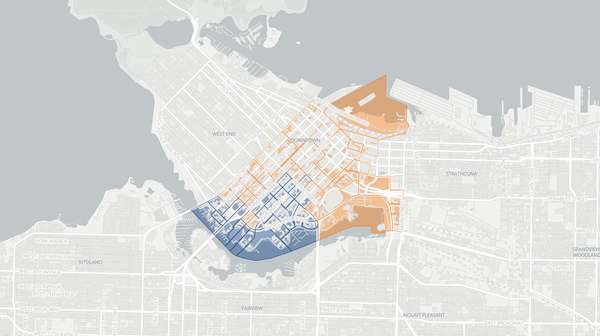
Vancouver-Hastings — 2024 British Columbia Provincial Election Results Map
Vancouver-Hastings — 2024 Election Results
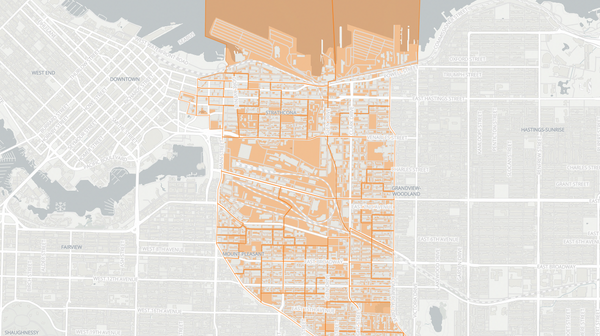
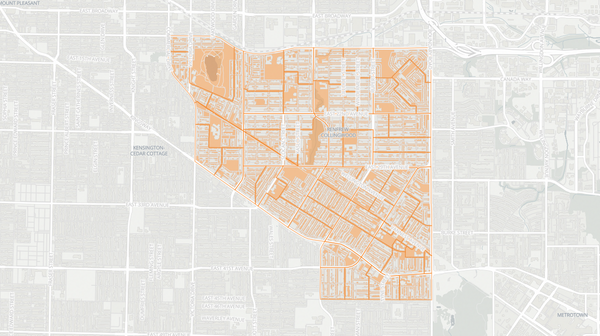
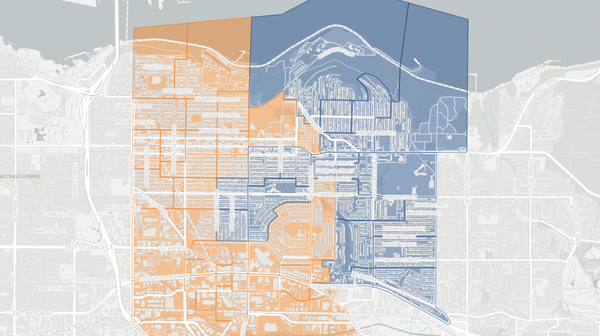
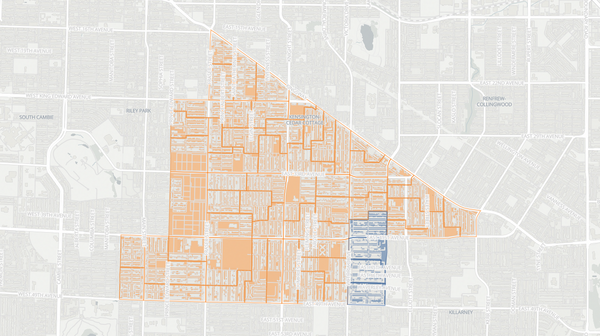
Poll-by-poll results for Vancouver-Hastings in the 2024 British Columbia election. The BC NDP candidate won this riding. Explore detailed voting data, candidate results, and turnout statistics at the poll level.
Riding information
Auto generated. Flag an issue.Vancouver-Hastings
Vancouver-Hastings stretches across a broad section of East Vancouver, from the independent shops and cafes of Commercial Drive through the dense, multilingual neighbourhoods of Grandview-Woodland and into the Strathcona area, which borders the Downtown Eastside. The riding is one of the most socioeconomically varied in the city, encompassing both gentrifying streets where property values have climbed sharply and blocks where tent encampments, open drug use, and street-level disorder are daily realities.
Niki Sharma won the seat in 2020 and was appointed Attorney General in 2022 following David Eby's elevation to Premier. She became the first woman of colour to hold that portfolio in British Columbia. In 2024, she was also named Deputy Premier.
Candidates
Niki Sharma (BC NDP) — Raised in Sparwood, British Columbia, after being born in Lethbridge, Alberta, Sharma studied law at the University of Alberta and began her legal career at a Vancouver firm focused on Indigenous law, where she advocated for residential school survivors and pursued Aboriginal rights and title claims. Before entering provincial politics, she served on the Vancouver Park Board, including a term as chair. Appointed Attorney General in December 2022, she championed the province's Anti-Racism Act and oversaw the largest expansion of family law legal aid in British Columbia's history.
Jacob Burdge (Conservative Party) — Born and raised in Victoria, Burdge studied political science at the University of Victoria and began working on political campaigns at age 14. He contributed to the documentary Vancouver is Dying, which examined the city's challenges with homelessness, addiction, and public safety.
Bridget Burns (BC Green Party) — Burns brought two decades of hospitality industry experience to her candidacy alongside a background in community organizing and agricultural work. She co-founded both the Vancouver Vegan Festival and the Vegan Night Market, and had previously stood as the federal Green candidate in Vancouver East in 2019.
Zsolt Kiss ran as an independent candidate.
Local Issues
The opioid crisis and public drug use dominated the political conversation in a riding that borders the Downtown Eastside. British Columbia's toxic drug supply claimed more than 2,500 lives in 2023, and the monthly death toll remained at crisis levels throughout 2024. The NDP government's decision to pursue a three-year exemption from the federal Controlled Drugs and Substances Act — decriminalizing personal possession of small amounts of illicit drugs beginning January 31, 2023 — drew intense public debate. By mid-2024, in response to widespread concern about open drug use in public spaces and hospitals, the province asked the federal government to amend the exemption to recriminalize possession in public places. The reversal reflected the political volatility of the issue and divided opinion in a riding where harm reduction advocates called for expanded safe supply programs while business owners and some residents demanded stronger enforcement.
Homelessness and encampments continued to mark the riding's western boundary. The Strathcona Park encampment, which had grown to several hundred tents in 2020 and 2021, had been cleared, but the displacement cycle persisted: encampments reappeared in parks, under overpasses, and along the Hastings corridor. The NDP government had invested in modular supportive housing and purchased several hotels for conversion to permanent housing, but the scale of the crisis continued to outstrip the available supply. Residents in the more stable neighbourhoods around Commercial Drive and Grandview expressed frustration with the visible disorder that accompanied the crisis, while community organizations argued that the root causes — inadequate mental health services, insufficient supportive housing, and a poisoned drug supply — remained unaddressed.
Housing affordability and the displacement of longtime residents shaped the riding's demographic trajectory. Retail gentrification along Commercial Drive and Hastings Street had accelerated, with long-established businesses giving way to higher-end restaurants and specialty shops. The NDP's rent control measures — capping annual increases at the rate of inflation — provided some stability for existing tenants, but vacancy rates in the riding remained extremely tight, and average rents continued to climb. Bill 44's densification requirements promised additional housing supply over the longer term, but in a neighbourhood where many residents rented in aging wood-frame apartment buildings, the prospect of redevelopment raised fears of displacement before any new affordable units materialized.