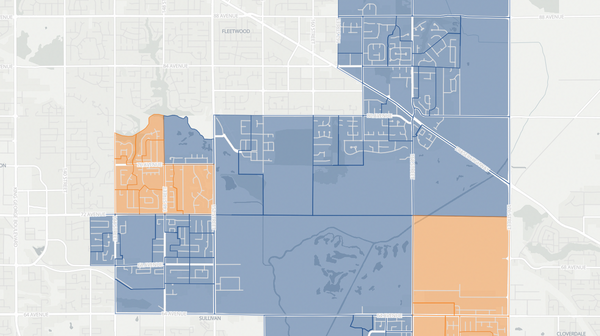
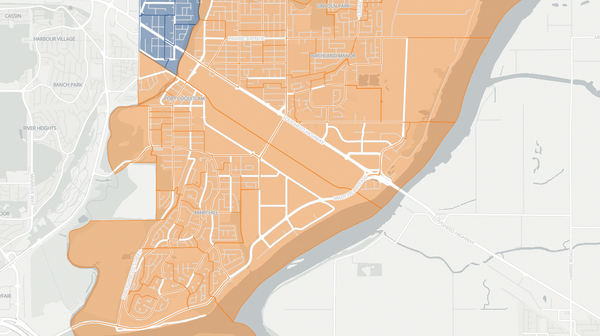
Langley-Walnut Grove — 2024 British Columbia Provincial Election Results Map
Langley-Walnut Grove — 2024 Election Results
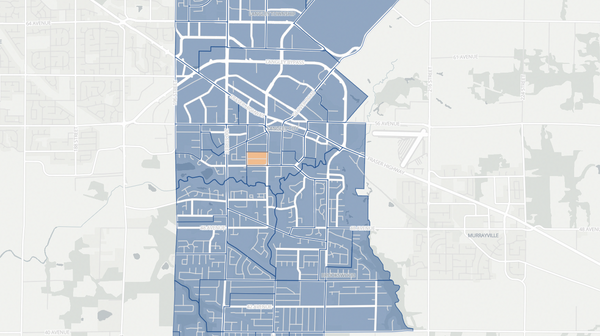
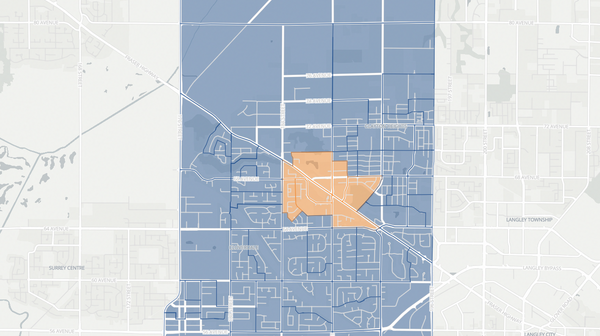
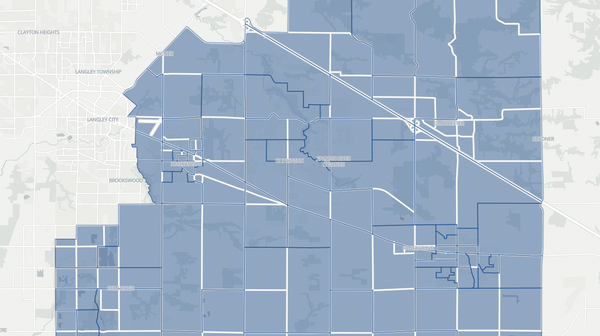
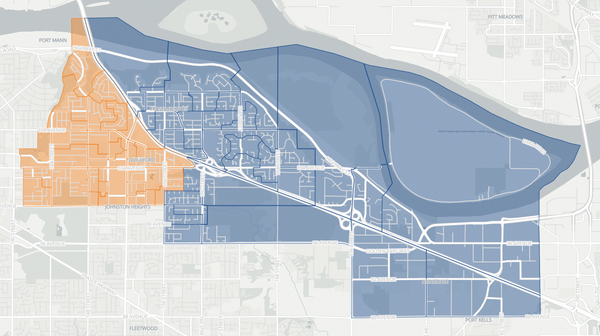
Poll-by-poll results for Langley-Walnut Grove in the 2024 British Columbia election. The Conservative Party candidate won this riding. Explore detailed voting data, candidate results, and turnout statistics at the poll level.
Riding information
Auto generated. Flag an issue.Langley—Walnut Grove
Langley—Walnut Grove encompasses the established residential neighbourhoods and commercial centres of the Walnut Grove, Willoughby, and Fort Langley areas within the Township of Langley. The riding sits at the intersection of Metro Vancouver's suburban expansion and the Fraser Valley's agricultural heritage, with new housing developments in the Willoughby corridor rapidly transforming what was recently a semi-rural landscape into one of the Lower Mainland's densest suburban growth zones. The local economy blends retail, construction, and service industries with the commuter patterns of residents who travel west to employment centres in Surrey and beyond.
Candidates
Misty Van Popta (Conservative Party) — Van Popta was a Township of Langley councillor, first elected in 2022 with the Contract With Langley slate. A project management professional with a background in the construction industry, this was her first campaign for office above the municipal level.
Megan Dykeman (BC NDP) — Dykeman was the incumbent MLA, first elected in 2020 in the former Langley East riding. A specialty poultry farmer and three-time school board trustee who chaired the Langley Board of Education, she brought international academic credentials including graduate studies in Australia and executive training at Harvard. During her term she served as Parliamentary Secretary for Community Development and Non-Profits.
Rylee Mac Lean (BC Green Party) and Carlos Suarez Rubio (Independent) also contested the riding.
Local Issues
School overcrowding in the Willoughby corridor was among the most acute pressures facing the riding. The Langley school district was absorbing approximately 1,000 additional students per year, the majority concentrated in the Willoughby catchment, and enrolment growth consistently outpaced the funded construction timeline. Schools designed for capacities well below their current student populations relied heavily on portable classrooms, and parents pressed candidates on classroom conditions, access to support services, and the adequacy of capital funding from the province. The anticipated arrival of the SkyTrain by late 2029 and new provincial housing density requirements around future stations were projected to further increase housing units and student enrolment within the decade.
The Surrey—Langley SkyTrain extension, while centred on adjacent ridings, had direct implications for Langley—Walnut Grove. The Willowbrook station, planned as one of the line's eight stops, would sit at the edge of the riding and catalyze transit-oriented development in the surrounding area. The provincial government had directed the Township of Langley to designate areas around the future station for high-density development, creating tension between residents who valued the community's suburban and agricultural character and those who saw densification as necessary to address the housing crisis. The gap between transit planning timelines and the daily reality of congested highway commutes remained a source of frustration.
Housing affordability had continued to erode despite the riding's position as a relatively attainable alternative to communities closer to Vancouver. New subdivisions in Willoughby and Brookswood attracted young families seeking their first homes, but prices had climbed steadily as development pressure from Metro Vancouver pushed eastward. The NDP's elimination of bridge tolls, investments in childcare, and affordable housing programs were cited as affordability measures, but the cumulative cost of living—mortgage payments, commuting costs, childcare—remained a dominant concern at the doors. Health care access, including the shortage of family physicians and the capacity of Langley Memorial Hospital, rounded out the issues that shaped a competitive contest.