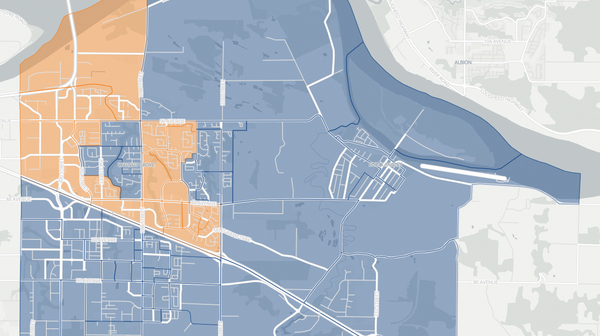
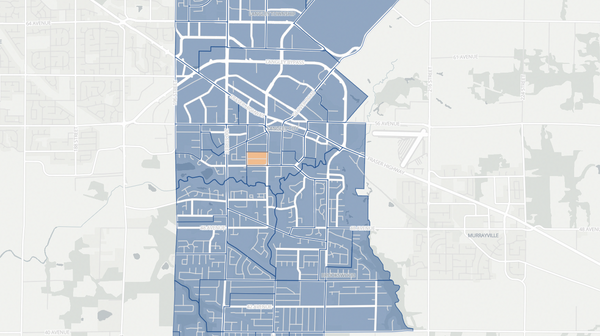
Abbotsford West — 2024 British Columbia Provincial Election Results Map
Abbotsford West — 2024 Election Results
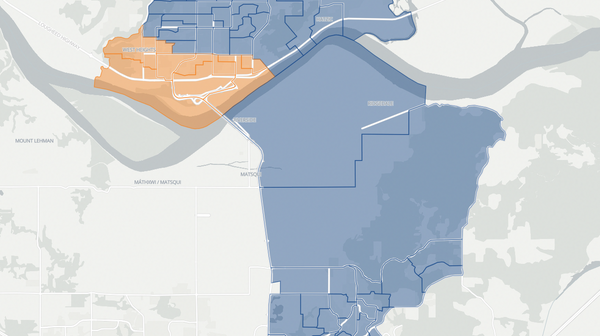
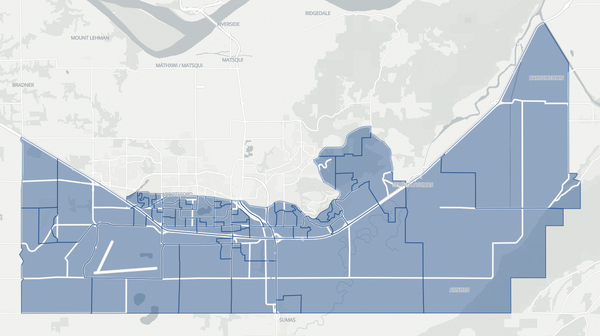
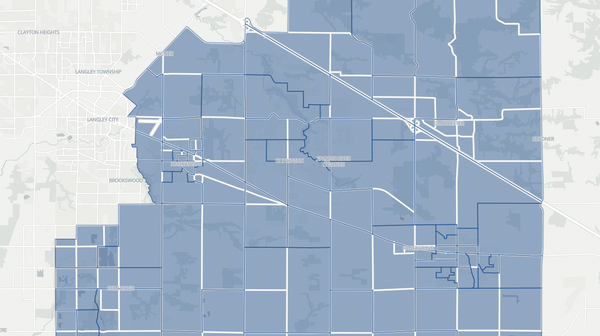
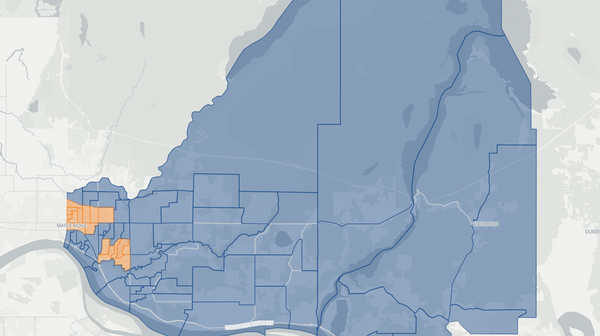
Poll-by-poll results for Abbotsford West in the 2024 British Columbia election. The Conservative Party candidate won this riding. Explore detailed voting data, candidate results, and turnout statistics at the poll level.
Riding information
Auto generated. Flag an issue.Abbotsford West
Abbotsford West takes in the city's western residential neighbourhoods and commercial corridors, stretching from established suburbs near the University of the Fraser Valley campus through newer developments along the Highway 1 corridor. The riding's economy reflects Abbotsford's dual identity as both a major agricultural centre — the city accounts for a large share of British Columbia's agri-food production — and a growing suburban hub with manufacturing, logistics, and professional services. The University of the Fraser Valley's main campus sits within the riding, giving it a significant post-secondary presence.
The seat had been held by BC Liberal veteran Michael de Jong since 1994, making it one of the longest-tenured seats in the province. De Jong did not seek re-election in 2024, creating an open contest in a riding that had never been represented by anyone other than a centre-right MLA in its modern history. Redistribution adjusted the boundaries, but the riding's political character remained firmly conservative-leaning.
Candidates
Korky Neufeld (Conservative Party) — Neufeld was serving his fifth term as a trustee with the Abbotsford School District and had served two terms on the BC School Trustees Association's provincial board. Born into a family of ten children whose parents immigrated from South America in 1964, he began his career in church ministry as a pastor in Vancouver before leading a church in Abbotsford for more than ten years. He later worked in the construction industry, including as a construction manager for ServiceMaster Restore of the Fraser Valley. He was involved with the Abbotsford Restorative Justice and Advocacy Association for over five years.
Graeme Hutchison (BC NDP) — Hutchison moved to Abbotsford from the United Kingdom in 2000 after working as a university professor teaching information technology. In Canada, he worked in finance and banking before becoming president of MoveUP, a union representing more than 14,000 members at BC Hydro, Fortis, BC Transit, ICBC, and other employers. He served as an officer with the BC Federation of Labour.
James Davison ran as an Independent, receiving a minor share of the vote.
Local Issues
The provincial government's housing legislation created direct tensions in Abbotsford West. The NDP's small-scale multi-unit housing legislation required municipalities to permit secondary suites in all single-detached zones and up to four units on larger lots, affecting thousands of properties across the riding. Transit-oriented development rules required denser building near transit nodes, though Abbotsford's transit infrastructure lagged behind the rapid-transit-served communities closer to Vancouver. Residents debated whether densification mandates designed for Metro Vancouver could be applied effectively to a Fraser Valley city with a different built form and transportation network.
The November 2021 atmospheric river flooding, while most devastating on the Sumas Prairie to the south and east, disrupted infrastructure and supply chains across all of Abbotsford. Highway 1 closures isolated the Fraser Valley from the rest of British Columbia for days, affecting commuters and businesses in Abbotsford West. The event underscored the vulnerability of the region's transportation corridors and prompted provincial investment in flood mitigation, though residents questioned whether the pace of infrastructure hardening was adequate given the likelihood of future extreme weather events.
Healthcare and physician shortages followed the pattern affecting the broader Fraser Valley. Family doctor waitlists grew throughout the NDP's term, and the expansion of team-based primary care clinics — while welcomed — had not kept pace with the region's rapid population growth. The University of the Fraser Valley's health sciences programs trained graduates who often left for positions elsewhere, and residents called for incentives to retain healthcare workers locally.
The cost of living dominated kitchen-table conversations in a riding where many households juggled long commutes, rising grocery prices, and escalating housing costs. ICBC premiums, which the NDP had reduced through its Enhanced Care no-fault model, provided some relief, but the cumulative burden of carbon tax increases, rising food costs, and property assessments weighed on working families. The Conservative campaign emphasized eliminating the carbon tax and reducing regulatory burdens on small businesses, themes that resonated in a riding where entrepreneurship and small enterprise were central to the local economy.