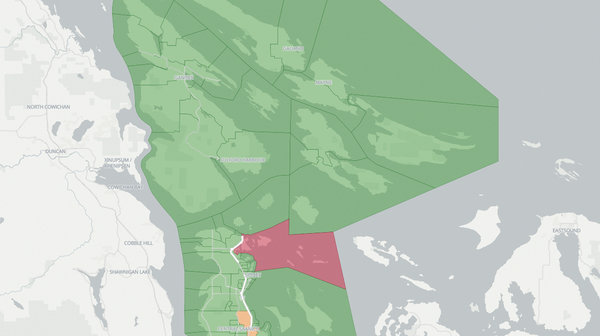
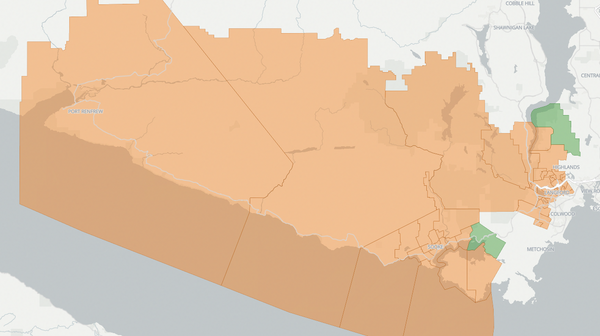
Victoria-Beacon Hill — 2020 British Columbia Provincial Election Results Map
Victoria-Beacon Hill — 2020 Election Results
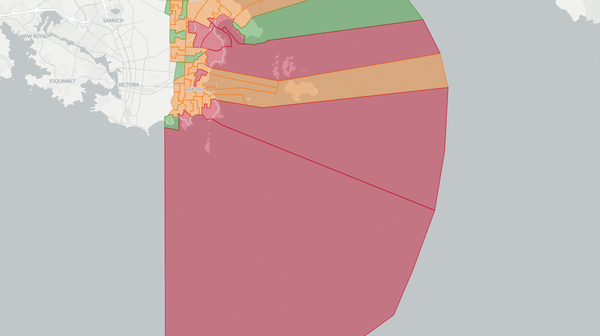
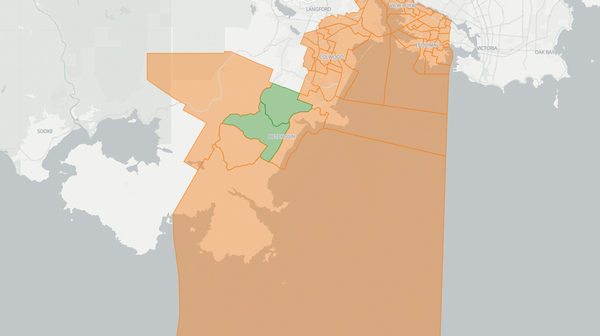
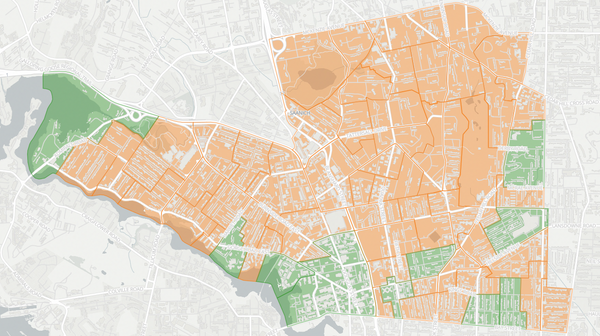
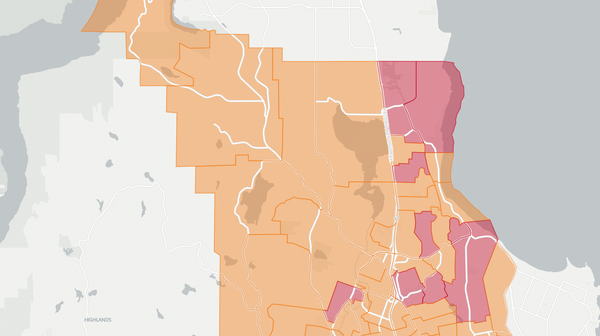
Poll-by-poll results for Victoria-Beacon Hill in the 2020 British Columbia election. The BC NDP candidate won this riding. Explore detailed voting data, candidate results, and turnout statistics at the poll level.
Riding information
Auto generated. Flag an issue.Victoria-Beacon Hill
Victoria-Beacon Hill covers the southern half of the provincial capital south of Bay Street, taking in the James Bay neighbourhood, the Inner Harbour, the legislative precinct, Fairfield, and Beacon Hill Park. It is a compact urban riding with a diverse mix of retirees, public servants, young renters, and a significant student population connected to the nearby University of Victoria. Rented dwellings outnumber owned homes roughly two to one, and the riding has a higher median age than the city average, with an established retiree community alongside a younger service-sector workforce. The James Bay neighbourhood, situated on a peninsula between the harbour and the Dallas Road waterfront, is one of Victoria's most densely populated areas.
The NDP had held Victoria-Beacon Hill since 2005, and the riding was considered safe for the party. But the 2020 election marked a transition: the long-serving NDP incumbent, who had represented the riding for 15 years, announced she would not seek re-election, creating an open seat. With the BC Greens running a strong local campaign and homeless encampments in Beacon Hill Park dominating the news, the race drew more attention than a typical contest in this reliably left-leaning riding.
Candidates
Grace Lore (BC NDP) — Lore was a political scientist and lecturer at the University of Victoria, where she taught courses in Canadian politics, gender and politics, and research methods. She holds a PhD from the University of British Columbia and a master's degree from the London School of Economics. Her academic research focused on political participation, representation, and electoral systems. She had previously run for Victoria city council.
Jenn Neilson (BC Green Party) — Neilson held a PhD in philosophy and was a community organizer in the riding, involved in campaigns including Save 950 Kings and a push for a public library branch in the Hillside neighbourhood. She focused her campaign on social justice, equity, and reconciliation with Indigenous Peoples.
Karen Bill (BC Liberal Party) — Bill was a longtime legislative staffer who had worked as an executive assistant to Liberal MLAs and cabinet ministers. Born and raised in Victoria, she had been active in the community and managed public policy issues for more than two decades. This was her fourth campaign in the riding.
Jordan Reichert ran as an Independent.
Local Issues
The sequence of homeless encampments that swept through Victoria during 2020 became the riding's most visible and contentious issue. In March 2020, the Coalition to End Homelessness established a tent encampment at Topaz Park, which quickly entered crisis conditions. By provincial order in late April, BC Housing moved the Topaz Park residents into temporary motel rooms, but as the pandemic continued, displaced individuals gravitated to Beacon Hill Park. Despite Mayor Lisa Helps's initial statement in March that sheltering would not occur there, Victoria City Council voted in May 2020 to permit 24-hour sheltering in parks, and by September approximately 200 people — roughly 100 tents and vehicles — were living in Beacon Hill Park. James Bay residents reported finding discarded syringes, experiencing break-ins, and encountering open fires in the park. The provincial government worked with the city to find indoor alternatives, purchasing hotels including the Capital City Centre Hotel for approximately $25 million and Paul's Motor Inn for nearly $15 million for conversion to supportive housing. But the encampments remained deeply polarizing heading into election day, with advocates arguing they were a symptom of chronic underinvestment and neighbours contending the situation had made the park unsafe.
The opioid crisis continued to claim lives in the capital region at rates that exceeded most communities outside Metro Vancouver. The NDP government's declaration of a public health emergency in 2016 had led to expanded harm reduction services, but the intersection of the toxic drug supply with homelessness and untreated mental illness created a complex challenge that no single level of government had adequately addressed. COVID-19 compounded the situation by disrupting outreach services, closing drop-in centres, and isolating people who used drugs. Residents and service providers called for more treatment beds, additional supervised consumption sites, and supportive housing with integrated health supports — particularly in a riding where the visible consequences of the crisis were concentrated in the downtown core and along the edges of Beacon Hill Park.
The NDP government's investments in social infrastructure during its term had direct relevance to the riding's residents. The $10-a-day childcare pilot program, launched in November 2018 at 53 prototype sites across 32 communities — including two locations in Greater Victoria — offered parents a maximum fee of $200 per month per child. The program, which served approximately 2,500 children province-wide, tested the feasibility of the NDP's promise of universal affordable childcare. The riding's population of young families, government workers, and university-connected residents gave the childcare issue particular salience, as did the NDP government's decision to increase K–12 education funding and reverse some of the previous government's fiscal restraint in the public service.
As the riding that houses the provincial legislature, Victoria-Beacon Hill's cost of living was a bread-and-butter concern for its diverse population of renters, retirees, and public servants. Benchmark home prices in James Bay and Fairfield had continued to climb during the NDP's term, and Victoria's rental vacancy rate remained among the lowest in Canada. The NDP's decision to tie rent increases to inflation and eliminate the fixed-term lease loophole provided stability for existing tenants, but the overall supply of affordable rental units had not kept pace with demand in a city where the gap between wages and housing costs continued to widen.