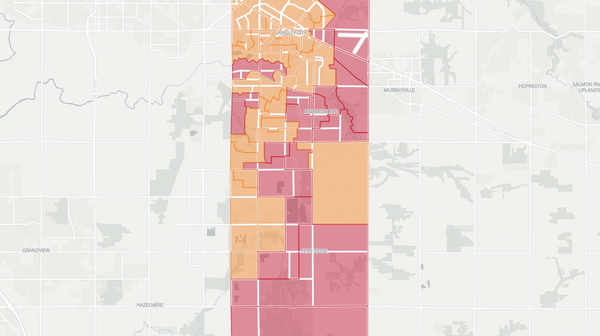
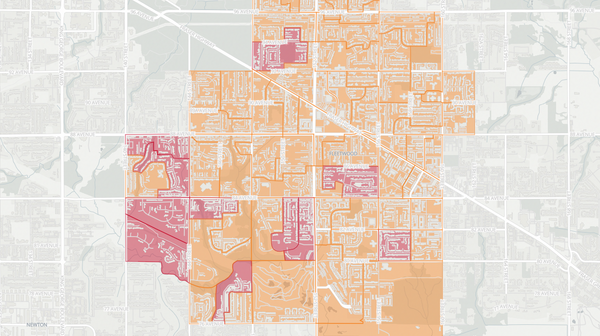
Surrey South — 2020 British Columbia Provincial Election Results Map
Surrey South — 2020 Election Results
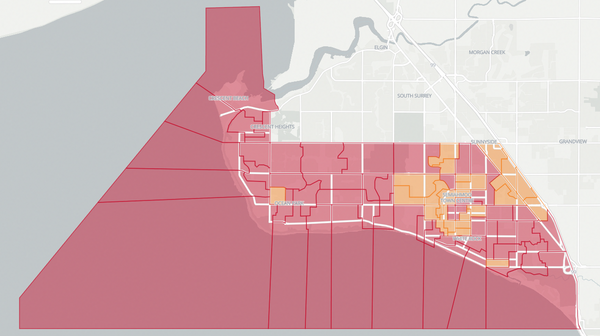
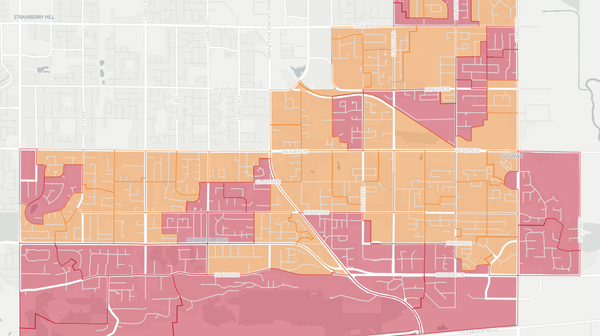
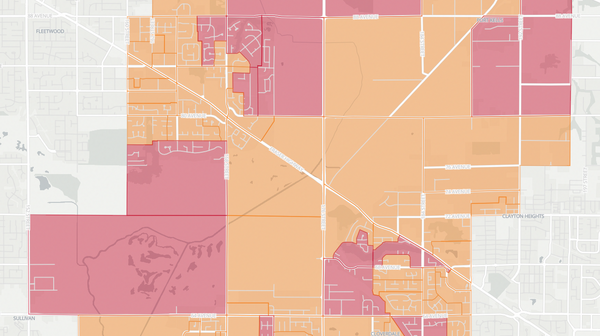
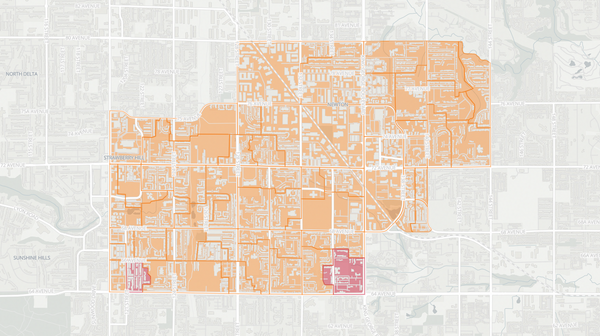
Poll-by-poll results for Surrey South in the 2020 British Columbia election. The BC Liberal Party candidate won this riding. Explore detailed voting data, candidate results, and turnout statistics at the poll level.
Riding information
Auto generated. Flag an issue.Surrey South
Surrey South stretches from the tidal flats of Mud Bay eastward to the Langley border, taking in the rapidly growing subdivisions of Grandview Heights and Clayton. Created in the 2015 redistribution from parts of Surrey-Cloverdale and Surrey-Panorama, the riding is one of the youngest constituencies in the province, dominated by young families who moved to south Surrey for its comparatively affordable housing and newer schools. The area remained largely car-dependent, with limited transit connections and commercial development concentrated along 24th Avenue and 152nd Street.
Surrey South was one of the few Metro Vancouver ridings where the BC Liberals entered the 2020 election as favourites. The Liberals had won the seat by nearly 4,800 votes at its inaugural contest in 2017, but the NDP's growing strength across Surrey — the party had flipped several neighbouring ridings that year — signalled a shifting suburban landscape. The pandemic-era snap election gave the NDP an opportunity to press into a riding where concerns about school overcrowding, health care access, and affordability ran deep.
Candidates
Stephanie Cadieux (BC Liberal Party) — Cadieux had used a wheelchair since a car accident at age 18 left her with spinal injuries. Before entering politics, she was the director of marketing and public relations for the BC Paraplegic Association and served as president of the Realwheels Society, an inclusive theatre company. First elected in 2009, she held multiple cabinet portfolios including Social Development, Labour, Citizens' Services, and Children and Family Development. She was also an ambassador for the Rick Hansen Foundation.
Pauline Greaves (BC NDP) — Greaves held a PhD in education and was an instructor of business and management at Langara College. Her experience included work at the UBC Women's Centre, the Downtown Eastside Women's Centre, and the Elizabeth Fry Society. In 2018, she ran for mayor of Surrey under the Proudly Surrey slate, finishing fourth.
Tim Ibbotson (BC Green Party) — Ibbotson was the co-owner of Levcon, a concrete-forming company, and held a master's degree in applying living systems theory to business. He had served nearly a dozen years as a mentor with the youth non-profit Young Life in South Surrey and spent seven years in the Canadian navy.
Local Issues
The construction of Grandview Heights Secondary — the first new high school in south Surrey in nearly three decades — became a focal point of community frustration during the NDP's term. Originally budgeted at $60.6 million for a 1,500-seat school, the project broke ground in 2017 but could not be built within its initial budget as construction costs escalated. The province added $32.6 million to keep the project on track, pushing the total past $93 million, and the opening was delayed from the target of September 2020 to the following year. Meanwhile, the NDP approved a new $24-million elementary school in Grandview Heights and a $9-million, 300-seat addition at Pacific Heights Elementary. Ecole Salish Secondary, which opened in 2018 in nearby Clayton, absorbed some enrolment pressure — reducing portables at Clayton Heights Secondary from eleven to two — but the Surrey school district's portable count still rose to 333 across the city by the 2019-2020 school year.
Transportation infrastructure continued to lag behind the pace of residential construction. New subdivisions in Grandview Heights and Clayton remained largely car-dependent, with limited bus service and no rapid transit connections. The November 2018 cancellation of the Surrey-Newton-Guildford LRT in favour of an Expo Line extension along Fraser Highway toward Langley redirected transit investment away from Surrey's southern reaches. While the SkyTrain-to-Langley project would serve some Clayton-area commuters, the question of rapid transit service for Grandview Heights remained unanswered. Residents expressed frustration that Surrey, despite being Metro Vancouver's second-largest city with a population approaching 600,000, had not received a major transit extension since the Expo Line reached King George Station in 1994.
The COVID-19 pandemic added a new dimension to the campaign. Parents worried about the safety of in-person schooling as the province implemented new health and safety protocols for the September 2020 return to classrooms. Small business owners in the riding's commercial areas along 24th Avenue and 152nd Street grappled with restrictions and economic uncertainty. The snap election call itself drew criticism from those who questioned the wisdom of holding a campaign during a public health emergency, particularly in a young-family riding where many parents were already juggling remote work, childcare, and pandemic anxiety.
The NDP's broader policy record on housing and labour also shaped the local debate. The phased minimum wage increases — reaching $14.60 per hour by June 2020 — and the elimination of MSP premiums on January 1, 2020, were welcomed by working families, but the Liberals argued that the new Employer Health Tax placed additional burdens on the small and medium-sized businesses that anchored the riding's commercial strips. The provincial speculation and vacancy tax, while primarily targeting vacant investment properties in urban Vancouver, had ripple effects on the broader Metro Vancouver housing market, and some south Surrey homeowners questioned whether the layering of new taxes was dampening property values in a community where many families had their primary wealth tied up in their homes.