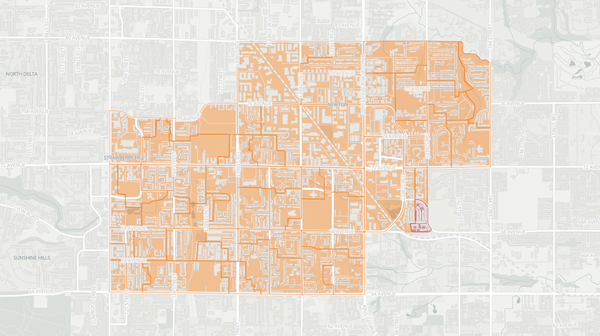
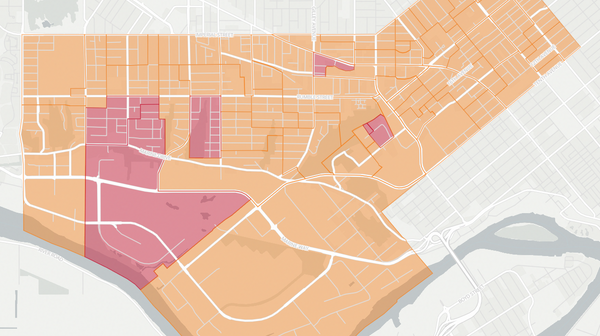
Surrey-Whalley — 2017 British Columbia Provincial Election Results Map
Surrey-Whalley — 2017 Election Results
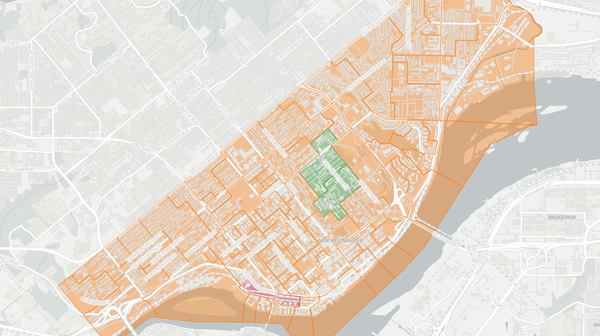
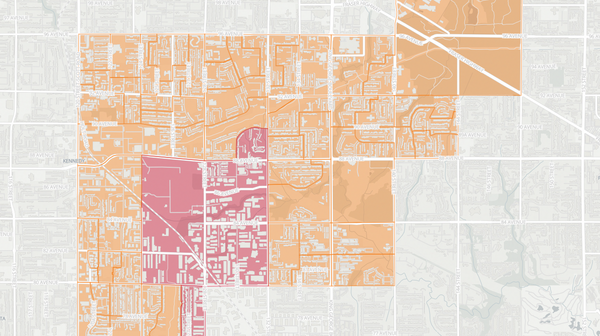
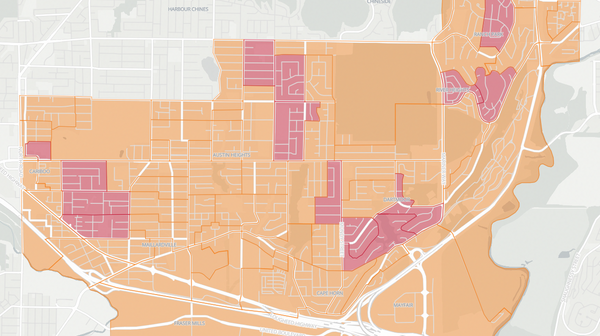
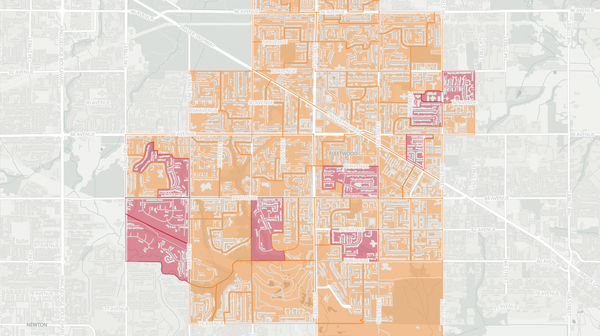
Poll-by-poll results for Surrey-Whalley in the 2017 British Columbia election. The BC NDP candidate won this riding. Explore detailed voting data, candidate results, and turnout statistics at the poll level.
Riding information
Auto generated. Flag an issue.Surrey-Whalley
Surrey-Whalley had been an NDP stronghold for over a decade heading into the 2017 election. Bruce Ralston first won the seat in 2005 and was re-elected comfortably in 2009 and 2013, winning each contest by at least 3,500 votes. The riding encompassed the Whalley neighbourhood, which served as the de facto downtown core of Surrey, including the stretch of King George Boulevard known locally as "the Strip." The area was a study in contrasts: new condominium towers rising along the SkyTrain corridor juxtaposed with the visible poverty, homelessness, and addiction that concentrated along the 135A Street corridor.
The 2017 contest unfolded against the backdrop of British Columbia's worsening opioid crisis. The provincial health officer had declared a public health emergency in April 2016, and the Whalley area was among the hardest-hit communities in the province, with overdose deaths spiking as fentanyl contaminated the illicit drug supply.
Candidates
Bruce Ralston (BC NDP) — Born in Victoria and raised in Vancouver, Ralston held degrees in history and law from the University of British Columbia and a degree in history from the University of Cambridge. Called to the bar in 1982, he operated his own criminal defence law firm in Surrey. He served on Surrey City Council from 1988 to 1993 and was a former member of the boards of directors of Surrey Memorial Hospital and the Surrey Public Library. Ralston also served on the board of directors of Vancouver City Savings Credit Union from 1995 to 2006 and was president of the BC NDP from 1996 to 2001. As opposition critic, he held responsibilities for Natural Gas Development, Trade, Immigration, and Multiculturalism.
Sargy Chima (BC Liberal Party) — Chima was described as a longtime public servant and active community volunteer. She had a 20-year career with Service Canada and was a former member of the Surrey Parks and Recreation Committee. She had lived in Surrey for nearly 40 years, residing in the Guildford and Cloverdale neighbourhoods before settling in Whalley. She was the sister of former federal cabinet minister Herb Dhaliwal.
Rita Anne Fromholt (BC Green Party) — Fromholt was a former sustainability coordinator for the University of Victoria and a project manager and business analyst in the Vancouver technology sector. She was a member of Al Gore's Climate Leader Corps and had been involved in political campaigns at both the provincial and federal levels.
George Gidora ran for the Communist Party of BC.
Local Issues
The opioid overdose crisis was the most urgent issue facing Surrey-Whalley. The Strip along 135A Street was one of the most visible sites of the crisis in the province, with encampments of tents and a high concentration of people struggling with addiction and mental illness. The debate over whether to open supervised injection sites in the riding was contentious, with public health advocates pushing for harm reduction services while some residents and business owners expressed concerns about the impact on the neighbourhood.
Redevelopment along the King George Boulevard corridor was transforming Whalley's built landscape, with new high-rise residential towers taking shape near the SkyTrain stations. However, the rapid development raised questions about displacement and whether affordable housing was being adequately incorporated into the area's new urban form. Homelessness was a visible and growing problem, with welfare rates not keeping pace with the rising cost of housing.
The future of the Pattullo Bridge was another significant local issue. The aging four-lane crossing connecting Surrey to New Westminster was a major commuter route, and its deteriorating condition prompted debates about whether it should be replaced, twinned, or tolled. The bridge's fate tied into broader frustrations about transportation infrastructure in Surrey, a city of half a million people that many residents felt was underserved relative to Vancouver.