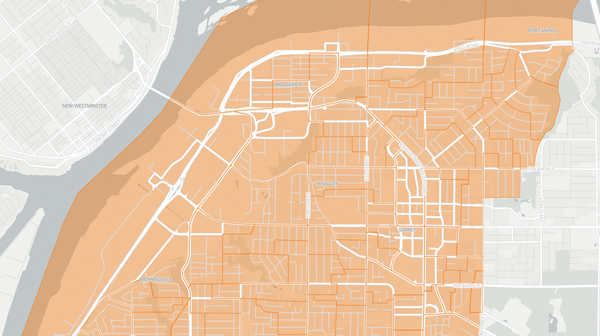
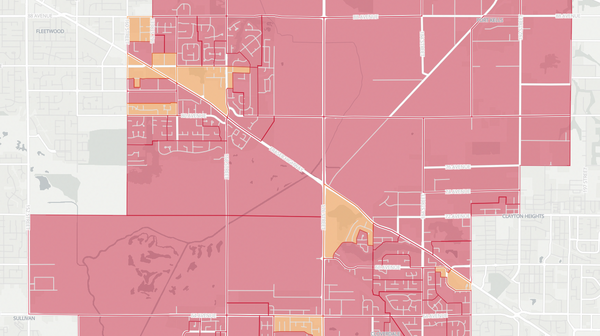
Surrey-Newton — 2017 British Columbia Provincial Election Results Map
Surrey-Newton — 2017 Election Results
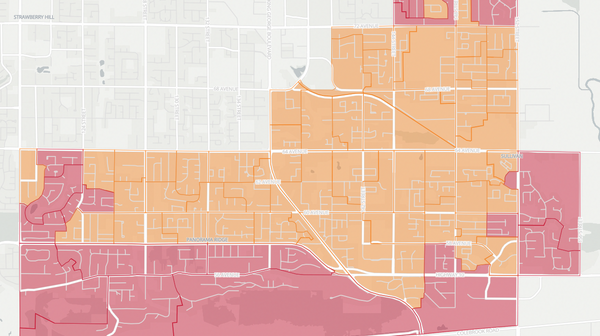
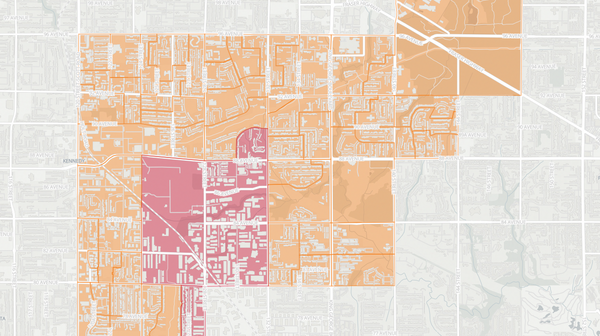
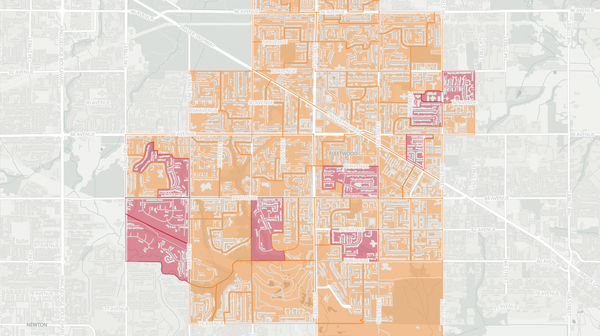
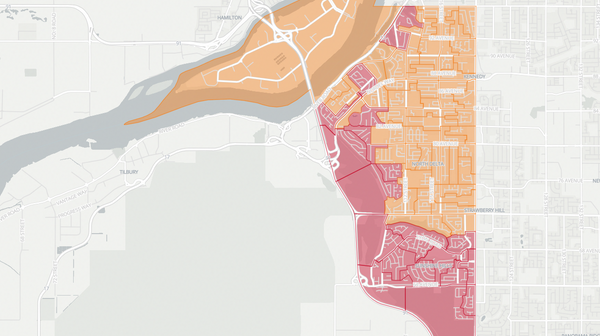
Poll-by-poll results for Surrey-Newton in the 2017 British Columbia election. The BC NDP candidate won this riding. Explore detailed voting data, candidate results, and turnout statistics at the poll level.
Riding information
Auto generated. Flag an issue.Surrey-Newton
Surrey-Newton had been a reliable NDP stronghold heading into the 2017 provincial election. Harry Bains had held the seat since 2005, when he defeated Olympic gold medallist Daniel Igali, and he won comfortable re-elections in 2009 and 2013. Before Bains, the riding had bounced between parties, with the Social Credit's Rita Johnston holding it from 1983 to 1991 and BC Liberal Tony Bhullar winning it in the 2001 wave. At just 14 square kilometres, Surrey-Newton was one of the smallest ridings in British Columbia, yet it contained fascinating demographic extremes: a median age of 34 and significant linguistic diversity, with 62 per cent of residents reporting a mother tongue other than English.
The 2017 contest came against the backdrop of Christy Clark's BC Liberal government facing intense criticism over gang violence, the opioid crisis, and inadequate public transit in Surrey's densest neighbourhoods. The murder of hockey mom Julie Paskall in a random attack outside the Newton Arena in 2013 had galvanized community anger over public safety, and gun violence continued to plague the area in subsequent years.
Candidates
Harry Bains (BC NDP) — Bains was born in the village of Hardaspur near Phagwara in Punjab, India, and emigrated to Canada in 1971. Before entering politics, he served as an elected officer of Steelworkers-IWA Canada Local 2171 for over fifteen years, most recently as full-time vice president of the local, where he led negotiations to improve wages and working conditions. He also served on the Kwantlen University College Board of Governors as a board member and vice-chair from 1993 to 1999. As a four-term MLA, he had served as opposition critic for Transportation and Infrastructure, Forestry, and WorkSafe BC.
Gurminder Singh Parihar (BC Liberal Party) — Parihar was a Certified General Accountant and CPA who was a partner at Parihar & Associates in Surrey. He had played a role in bringing together the provincial government and the trucking industry. Parihar served on boards including the BC India Business Network and the BC College of Optometrists. He was attempting to become the first turbaned Sikh elected to the B.C. Legislature.
Richard Krieger (BC Green Party) — Krieger was one of the founding directors who helped register the BC Green Party as a provincial society in 1983, making it one of the first Green parties in North America. He was also a co-founder of the Western Canada Wilderness Committee in 1980. His background spanned farming, photography, environmental activism, real estate, and property management.
Balpreet Singh Bal ran as an independent candidate. He was the owner of Bal Realty Services, having obtained his realtor's licence at age 19 and established his own brokerage by his early twenties.
Local Issues
Public safety dominated the conversation in Surrey-Newton during the 2013-2017 term. The killing of Julie Paskall outside the Newton Arena in 2013 triggered widespread concern about violence in public spaces, and subsequent incidents of gang-related shootings kept the issue at the forefront. The South Asian community in Newton was particularly affected by the toxic drug supply, with the area seeing a sharp increase in opioid-related deaths after the provincial health officer declared a public health emergency in April 2016.
Transportation was another pressing concern for Newton residents. The area had limited rapid transit options compared to other parts of Metro Vancouver, with many commuters relying on congested roads to reach employment centres. Bridge tolls on the Port Mann and Golden Ears crossings were a polarizing issue across Surrey, and NDP promises to eliminate those tolls resonated strongly in working-class neighbourhoods like Newton. The riding's low average household incomes made affordability pressures especially acute.
Education and overcrowded schools also featured in the campaign. Surrey's school district was the fastest-growing in the province, with dozens of schools relying on portable classrooms to accommodate students. Parents in Newton, like those across Surrey, were frustrated by a perceived lack of investment in permanent school infrastructure under the BC Liberals.