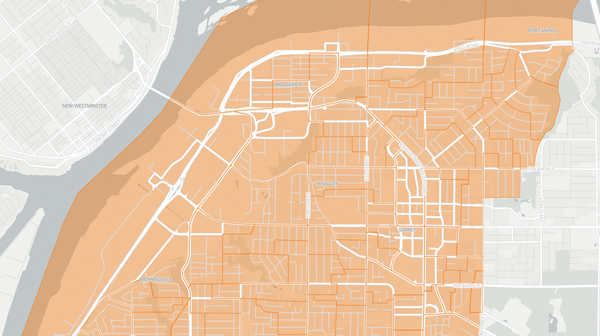
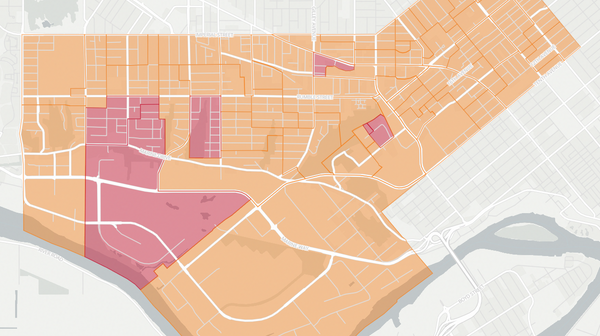
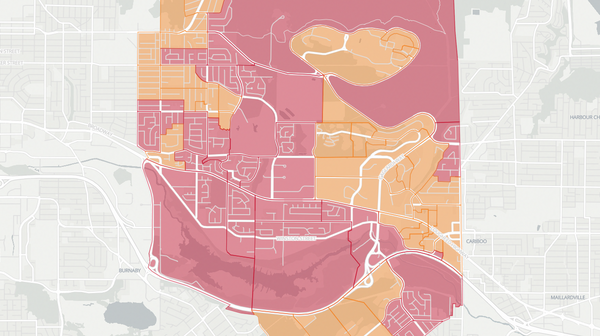
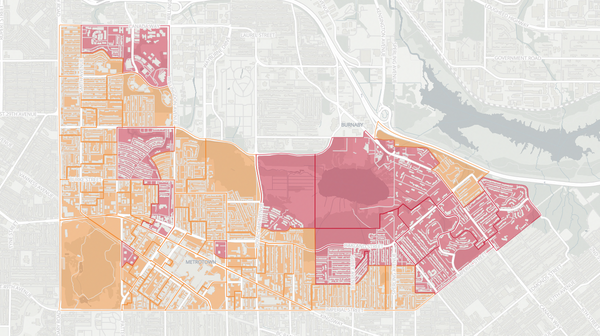
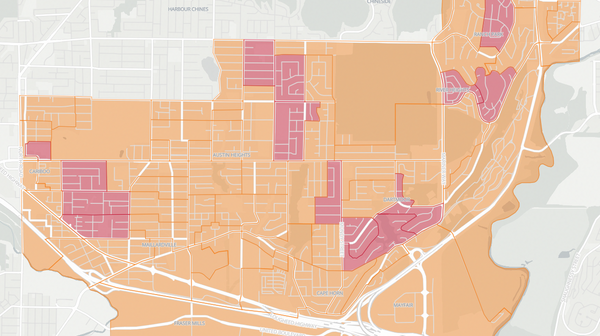
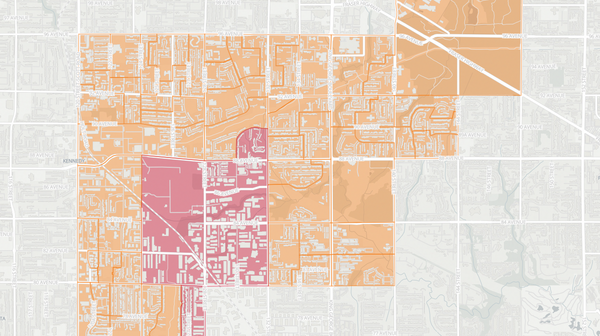
New Westminster — 2017 British Columbia Provincial Election Results Map
New Westminster — 2017 Election Results
Poll-by-poll results for New Westminster in the 2017 British Columbia election. The BC NDP candidate won this riding. Explore detailed voting data, candidate results, and turnout statistics at the poll level.
Riding information
Auto generated. Flag an issue.New Westminster
New Westminster is one of the oldest cities in British Columbia and one of the smallest provincial ridings by geography, but its urban density and rapid growth made it a hotbed of policy debates heading into the 2017 election. NDP incumbent Judy Darcy had won the seat in 2013, her first run for provincial office, and was seeking re-election. Darcy had won convincingly in 2013, and the riding was considered safe NDP territory, but the surging Green Party was expected to mount a credible challenge.
The city sits at the confluence of the Fraser River and the SkyTrain network, giving it excellent transit connections to the rest of Metro Vancouver. New Westminster was experiencing significant development pressure, with tower cranes dotting the skyline and its population growing rapidly, particularly in the downtown and waterfront areas.
Candidates
Judy Darcy (BC NDP) — Darcy brought a long career in the labour movement to provincial politics. She served as the fourth National President of the Canadian Union of Public Employees (CUPE) from 1991 to 2003, and later as business manager of the Hospital Employees' Union from 2005 to 2011. First elected to the legislature in 2013, she had spent her first term as an opposition MLA.
Jonina Campbell (BC Green Party) — Campbell was the chair of the New Westminster school board before stepping down to run for the Green Party. She had been involved in public education in British Columbia since 1997, having taught at the primary and intermediate levels and served as a resource teacher in the Richmond School District.
Lorraine Brett (BC Liberal Party) — Brett had served as a past director of the Hyack Festival and former chair of the Queen's Park Healthcare Foundation, and was a participant in the New Westminster Homelessness Coalition.
James Crosty represented the BC Social Credit Party, and Rex Brocki ran for the Libertarian Party.
Local Issues
The redevelopment of Royal Columbian Hospital was one of the most prominent local issues. The hospital, located in the Sapperton neighbourhood, is the region's primary trauma centre and had been operating in aging facilities that strained to meet growing demand. The BC Liberals had committed to a full redevelopment of the hospital in their platform, and the project's timeline and scope were frequent topics at all-candidates meetings. Residents wanted assurance that the redevelopment would proceed regardless of which party formed government.
Transportation infrastructure generated intense debate. The future of the aging Pattullo Bridge, which connects New Westminster to Surrey, was unresolved, with disagreements about whether it should be replaced, twinned, or toll-free. Residents also raised concerns about the volume of freight rail traffic through the city, which caused noise disruption and safety concerns at grade-level crossings. The city's integration into the SkyTrain network made transit policy a relevant issue, with questions about service frequency and station access.
Housing affordability was an acute concern in a city where rapid condominium development was transforming the skyline but doing little to address the needs of renters and lower-income residents. New Westminster's rental vacancy rate was extremely low, and the displacement of long-term tenants by redevelopment projects was a recurring theme at the doors.