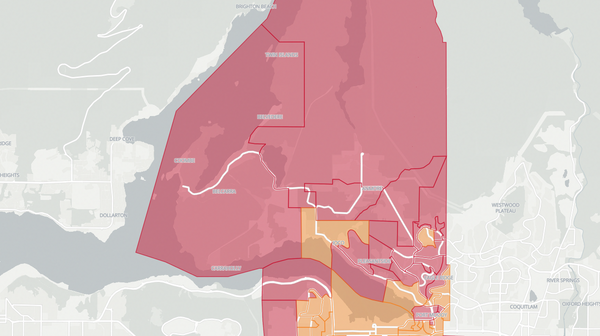
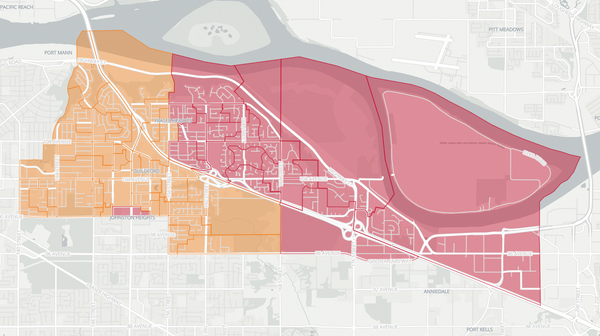
Coquitlam-Maillardville — 2017 British Columbia Provincial Election Results Map
Coquitlam-Maillardville — 2017 Election Results
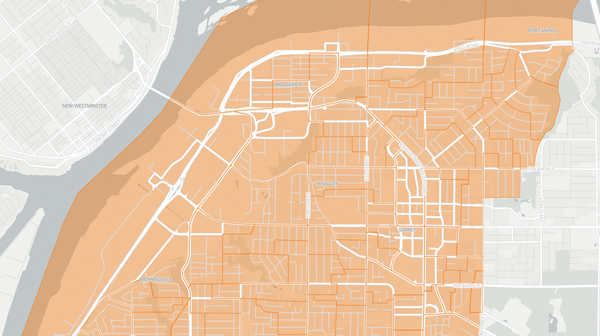
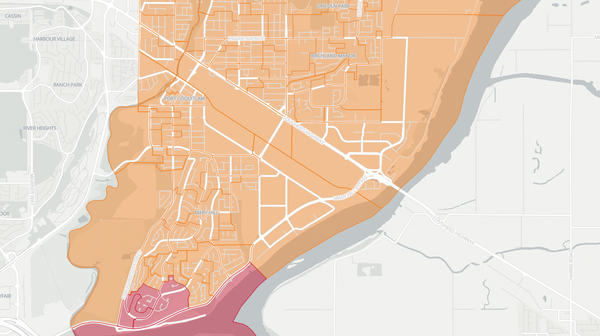
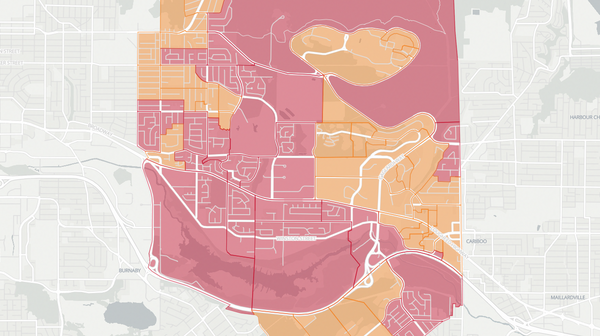
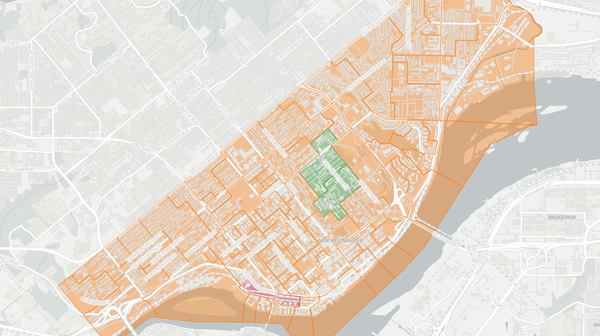
Poll-by-poll results for Coquitlam-Maillardville in the 2017 British Columbia election. The BC NDP candidate won this riding. Explore detailed voting data, candidate results, and turnout statistics at the poll level.
Riding information
Auto generated. Flag an issue.Coquitlam-Maillardville
Coquitlam-Maillardville was a working-class riding in the heart of Coquitlam that had been among the most competitive seats in British Columbia. The NDP had won it in five of the six elections since the riding was created in 1991, but most of those victories were by narrow margins. In the 2013 election, NDP candidate Selina Robinson trailed BC Liberal Steve Kim on election night, but pulled ahead after absentee ballots were counted, eventually winning by just 41 votes after a judicial recount. The 2017 contest would be a direct rematch.
Candidates
Selina Robinson (BC NDP) — Robinson was the incumbent MLA and the NDP's opposition spokesperson for mental health and addictions, seniors, local government, and sports. Born in Montreal, she moved to British Columbia in 1978 and later earned a master's degree in counselling psychology from Simon Fraser University. She worked as associate executive director of the Jewish Family Service Agency and served as a Coquitlam city councillor, where she championed a local ban on cosmetic pesticides and chaired the Universal Access-Ability Advisory Committee.
Steve Kim (BC Liberal Party) — Kim was an entrepreneur and small business owner with experience in the technology and digital media sectors. He held degrees from Western University and Korea University and was the co-founder and chair of the C3 Korean Canadian Society. This was his second consecutive run in the riding, and he was seeking to overturn Robinson's razor-thin 2013 victory.
Nicola Eyton Spurling (BC Green Party) — Spurling ran as the Green Party candidate in the riding.
Libertarian candidate Jesse Velay-Vitow also ran but received minimal support.
Local Issues
Transit was the dominant issue in Coquitlam-Maillardville. Despite the opening of the Evergreen Extension, none of its stations were located within the riding boundaries. Residents described sitting in traffic for an hour each way commuting between their suburban homes and workplaces in Vancouver, and many felt the transit investment had bypassed their community. Calls for improved bus connections and expanded transit service were widespread.
Health care was also a significant concern. Robinson had served as the NDP's critic for mental health and addictions, and the opioid crisis was escalating across British Columbia during this period. Locally, residents worried about access to mental health services and the growing number of overdose deaths. The riding's working-class character meant that affordability pressures on families were acute, with rising housing costs, ICBC premiums, and hydro rates all contributing to household financial strain.
Education funding was another flashpoint. The protracted dispute between the provincial government and the BC Teachers' Federation had resulted in years of litigation and a 2016 Supreme Court of Canada ruling that restored class-size and composition language to teachers' contracts. Families in the riding had felt the effects of underfunding through larger class sizes and reduced support services in local schools.