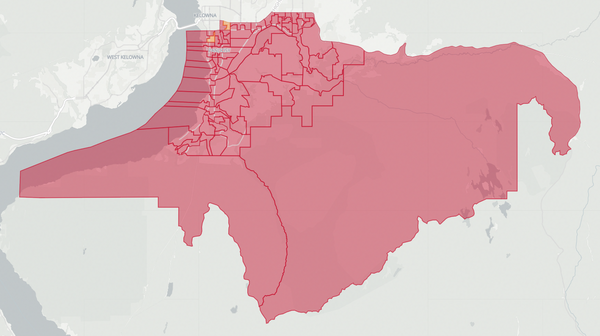
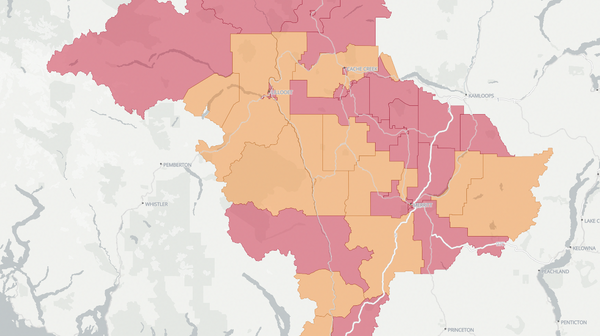
Kamloops-South Thompson — 2017 British Columbia Provincial Election Results Map
Kamloops-South Thompson — 2017 Election Results
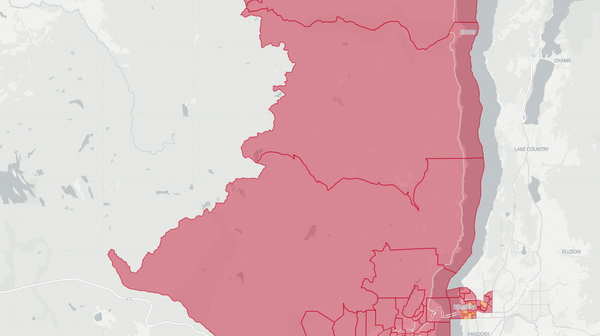
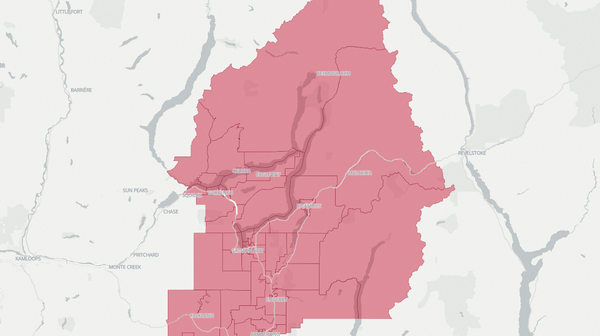
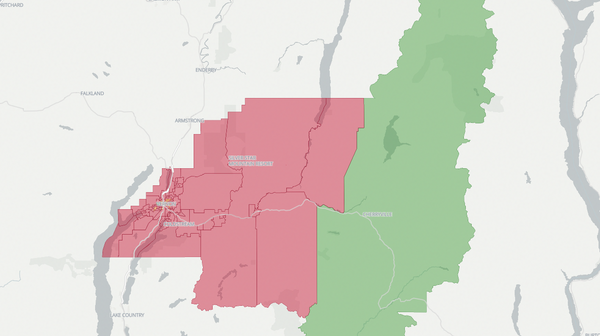
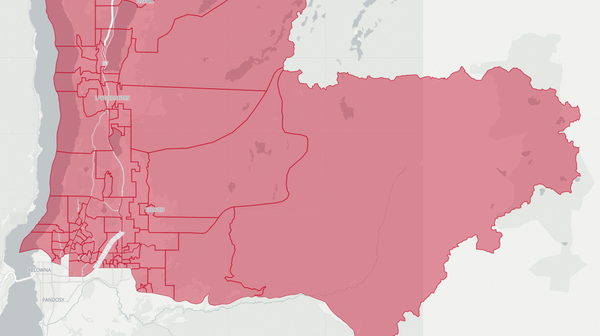
Poll-by-poll results for Kamloops-South Thompson in the 2017 British Columbia election. The BC Liberal Party candidate won this riding. Explore detailed voting data, candidate results, and turnout statistics at the poll level.
Riding information
Auto generated. Flag an issue.Kamloops—South Thompson
Kamloops—South Thompson had been held by Todd Stone since the 2013 provincial election, when he defeated NDP and independent challengers to win the seat for the BC Liberals. Stone was immediately appointed Minister of Transportation and Infrastructure, making him one of the most prominent cabinet voices from the BC Interior. Heading into 2017, the riding was widely considered a bellwether—it had historically elected a government MLA—and Stone's profile as a senior minister gave the Liberals a strong incumbent advantage in a riding that skewed centre-right.
The 2017 contest drew five candidates, but the race was effectively a three-way competition among the Liberals, NDP, and Greens. A proposed open-pit copper and gold mine near the city—the Ajax Mine—emerged as a defining local issue, galvanizing environmental opposition and giving the Green campaign unusual traction in an Interior riding. The broader provincial debates over housing affordability, the opioid crisis, and ICBC rate increases also resonated with Kamloops-area voters.
Candidates
Todd Graham Stone (BC Liberal Party) — Stone was the incumbent MLA and Minister of Transportation and Infrastructure, a post he had held since June 2013. Before entering politics, he founded and served as CEO of iCompass Technologies, a Kamloops-based software company. He had been involved with the BC Liberal Party since the 1990s and was a well-known figure in the community.
Nancy Bepple (BC NDP) — Bepple was a former Kamloops city councillor who had served two terms on council, from 2008 to 2014. She worked at Thompson Rivers University as a Co-op Coordinator, connecting students in computing science, engineering, and technology with local employers. She was also active in seniors advocacy, serving on the board of the Oncore Seniors Society and working with organizations addressing poverty in Kamloops.
Donovan Cavers (BC Green Party) — Cavers was a Kamloops city councillor, first elected in 2011 and re-elected in 2014. He was the founder of Conscientious Catering, an award-winning catering company he had operated for over a decade. He was a vocal opponent of the proposed Ajax Mine and pledged to refuse corporate and union campaign donations.
Jessica Lea Bradshaw ran for the Libertarian Party and Beat Klossner for the Communist Party of BC, both receiving under two percent of the vote.
Local Issues
The dominant local issue was the proposed Ajax Mine, a massive open-pit copper and gold mine that Polish firm KGHM Polska Miedz wanted to build on the outskirts of Kamloops. The Stk'emlupsemc te Secwepemc Nation rejected the proposal in March 2017 after conducting its own assessment, citing environmental concerns and the spiritual significance of the land around Jacko Lake. Kamloops city council also voted to formally oppose the project. Critics drew comparisons to the Mount Polley tailings dam failure of 2014, warning about the scale of the proposed Ajax tailings storage. The mine proposal became a wedge issue that boosted the Green campaign and complicated the Liberals' pro-development message.
Beyond the mine, the opioid crisis was hitting Kamloops hard. British Columbia had declared a public health emergency over opioid overdoses in April 2016, and Interior communities like Kamloops were experiencing rising overdose deaths driven by fentanyl contamination of the street drug supply. The city's emergency department was distributing take-home naloxone kits, and residents were pressing for more treatment and harm-reduction resources.
Transportation and infrastructure were also priorities. As Minister of Transportation, Stone had overseen increases to speed limits on rural highways and championed provincial investment in transit and road improvements. However, affordability pressures—rising ICBC premiums, housing costs, and the cost of living in the Interior—remained top of mind for many voters heading to the polls on May 9, 2017.