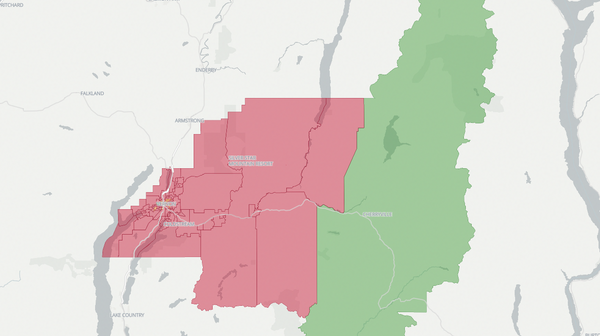
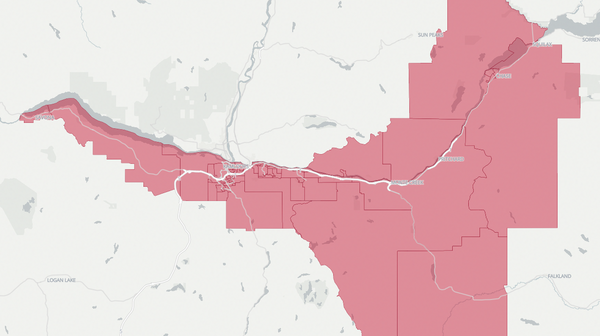
Kelowna West — 2017 British Columbia Provincial Election Results Map
Kelowna West — 2017 Election Results
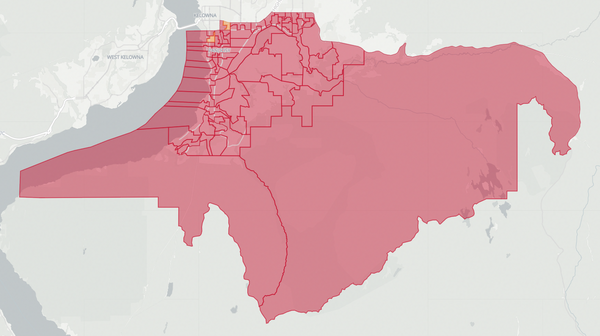
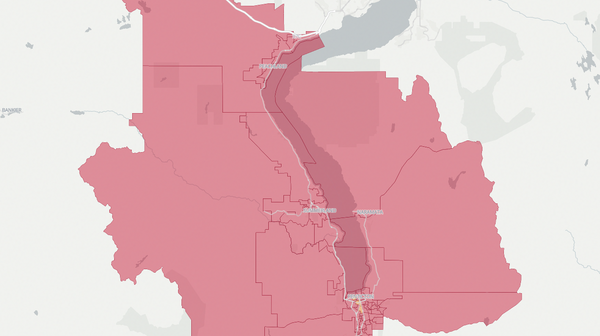
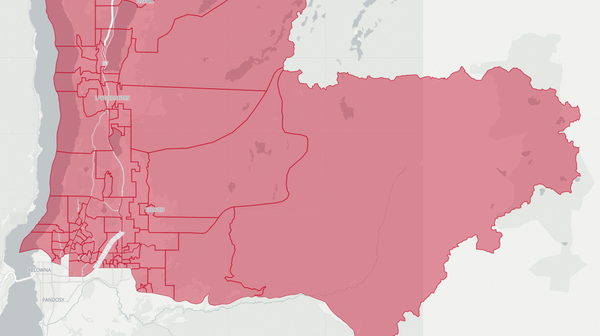
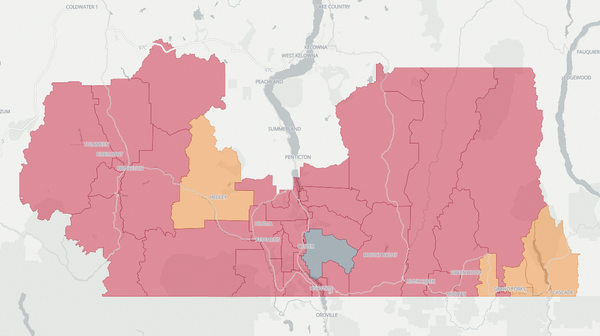
Poll-by-poll results for Kelowna West in the 2017 British Columbia election. The BC Liberal Party candidate won this riding. Explore detailed voting data, candidate results, and turnout statistics at the poll level.
Riding information
Auto generated. Flag an issue.Kelowna West
Kelowna West carried unique significance in the 2017 election as the home riding of Premier Christy Clark. Clark had not originally represented the Okanagan—she lost her Vancouver-Point Grey seat to NDP candidate David Eby in the 2013 general election and subsequently won a by-election in the riding of Westside-Kelowna in July 2013, after sitting MLA Ben Stewart resigned to make way for her. The riding was renamed Kelowna West in a 2015 redistribution with only minor boundary changes. Encompassing the municipality of West Kelowna and communities along the western shore of Okanagan Lake, the riding had never elected an NDP MLA and had voted solidly Liberal since the party's formation.
As the premier's own seat, Kelowna West attracted more attention than its safe-Liberal profile might otherwise warrant. The broader provincial race was tight, with polls suggesting the NDP could form government, and Clark's personal standing among voters was a major campaign storyline.
Candidates
Christy Clark (BC Liberal Party) — Clark was the incumbent MLA, Premier of British Columbia, and leader of the BC Liberal Party. She had served as premier since March 2011, winning a surprise majority government in 2013 after trailing in the polls. Before entering politics, she studied at Simon Fraser University, the Sorbonne, and the University of Edinburgh. She had previously served as MLA for Port Moody–Burnaby Mountain and then Port Moody–Westwood, and held several cabinet portfolios including Minister of Education and Deputy Premier under Premier Gordon Campbell.
Shelley Cook (BC NDP) — Cook was a PhD candidate in Community, Culture and Global Studies at UBC Okanagan, where she led two research studies on homelessness in Kelowna. She had served for eleven years as executive director of the local John Howard Society and chaired the City of Kelowna's Housing Committee. During her tenure at the John Howard Society, she was responsible for developing close to one hundred units of housing in Kelowna.
Robert Mellalieu (BC Green Party) — Mellalieu was the owner and operator of F1 Computer Services in Kelowna, a business he had run since 1990. He entered the race as a self-described closet Green Party supporter who decided to act on his environmental convictions.
Brian Thiesen ran as an independent candidate, receiving under three percent of the vote.
Local Issues
Housing affordability dominated the campaign across the Okanagan, and Kelowna West was no exception. While the riding contained some of the region's wealthiest lakefront properties, many residents in the growing suburban municipality of West Kelowna were feeling the pinch of rising housing costs. Kelowna's rental vacancy rate had dropped to near zero, and younger residents and service-sector workers struggled to find affordable accommodation. The NDP and Greens criticized the Clark government for failing to act decisively on housing speculation, while the Liberals pointed to measures like the foreign buyers tax they had introduced for Metro Vancouver in 2016.
The opioid crisis was another urgent concern. British Columbia had declared a public health emergency in April 2016 after a surge in fentanyl-related overdose deaths, and the Interior was not spared. Communities across the Okanagan experienced rising overdose rates, and residents debated the adequacy of the provincial government's response, including funding for treatment beds and harm-reduction services.
As the premier's riding, broader provincial questions about the economy, ICBC rates, MSP premiums, and the government's fiscal record were refracted through local concerns. The BC Liberals promoted their economic management and promised MSP premium reductions, while the NDP campaigned on affordability, healthcare improvements, and eliminating tolls on bridges. The Green Party emphasized environmental stewardship and democratic reform, seeking to build on its growing support in the Interior.