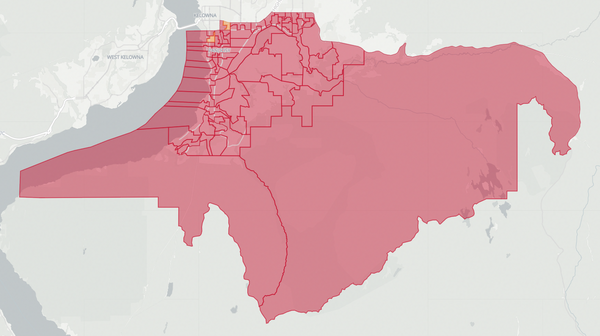
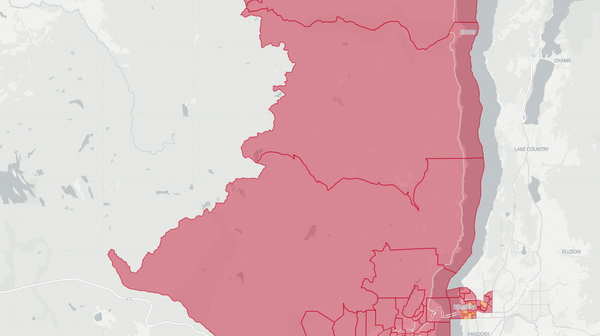
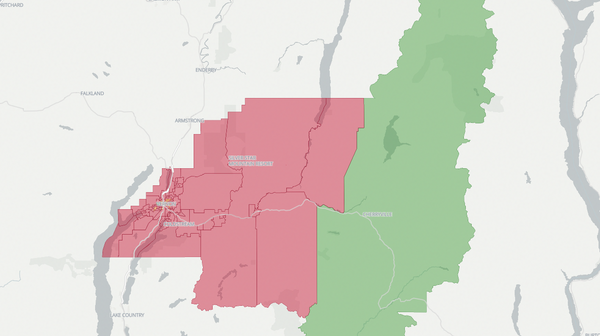
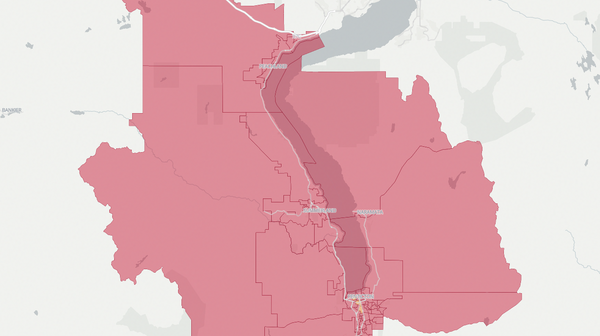
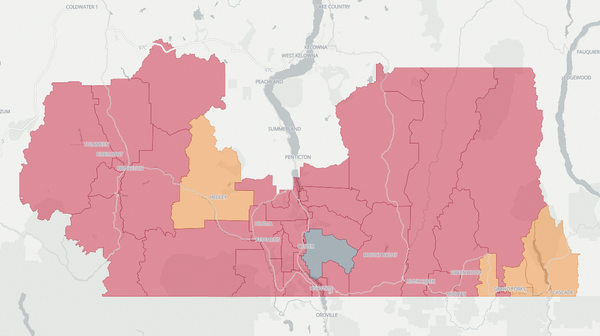
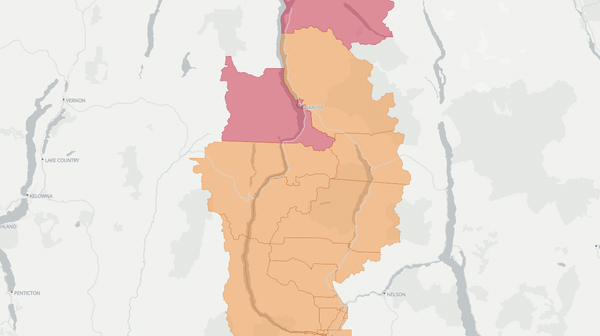
Kelowna-Lake Country — 2017 British Columbia Provincial Election Results Map
Kelowna-Lake Country — 2017 Election Results
Poll-by-poll results for Kelowna-Lake Country in the 2017 British Columbia election. The BC Liberal Party candidate won this riding. Explore detailed voting data, candidate results, and turnout statistics at the poll level.
Riding information
Auto generated. Flag an issue.Kelowna—Lake Country
Kelowna—Lake Country had been represented by Norm Letnick since he first won the seat for the BC Liberals in the 2009 provincial election. He was re-elected comfortably in 2013 while also serving as Minister of Agriculture, a portfolio he held for over four years—the longest tenure of any BC Liberal in that role. Heading into 2017, the riding was one of the safest Liberal seats in the Okanagan, and Letnick's deep community roots made him a formidable incumbent. The contest nevertheless attracted attention because of growing housing and employment concerns across the region.
The riding encompasses the eastern portions of Kelowna and the District of Lake Country, including communities along Okanagan Lake. Agriculture, tourism, and the post-secondary sector at Okanagan College and UBC Okanagan anchor the local economy. The area had experienced steady population growth, but unemployment remained stubbornly high relative to other parts of the province, and rental vacancy rates in Kelowna had dropped to as low as 0.2 percent by 2017.
Candidates
Norm Letnick (BC Liberal Party) — Letnick was the incumbent MLA and Minister of Agriculture. Born and raised in Montreal, he was fluent in English and French. He graduated from the University of Calgary with a Bachelor of Commerce degree and later earned an MBA from Heriot-Watt University. Before entering politics, he was a tenured associate professor in Okanagan University College's business program and operated several small businesses, including H&R Block franchises and a Motorola dealership. He also served on Kelowna city council from 2005 to 2008.
Erik Olesen (BC NDP) — Olesen was a twenty-six-year-old Vernon resident who brought youthful energy to the campaign. Originally from Ontario, he had been involved in politics from a young age, first running for city council in Ottawa at eighteen. He began post-secondary studies in nursing and biomedicine before shifting his focus to political organizing. His campaign emphasized affordability, ten-dollar-a-day childcare, and eliminating interest on student loans.
Alison Shaw (BC Green Party) — Shaw held a PhD in Resource Management and Environmental Studies from the University of British Columbia and grew up in the East Kootenay region. She was the founder of Flipside Sustainability, a consulting firm that helped public and private sector clients integrate environmental and social considerations into business decisions. She was the first authorized research observer in the United Nations Intergovernmental Panel on Climate Change process, studying how scientists and policymakers influence one another. Her campaign focused on housing affordability and unemployment.
Local Issues
Housing affordability was at the forefront of voter concerns in Kelowna—Lake Country. The Okanagan was experiencing rapid price increases that, while less extreme than Metro Vancouver, were squeezing renters and first-time buyers in a region with limited rental stock. Kelowna's vacancy rate had plummeted, and residents were feeling the pressure of a tight housing market without corresponding wage growth. All three candidates addressed housing in their platforms, though they diverged on solutions—the Liberals pointed to their broader economic record, the NDP proposed measures to help with affordability, and the Greens called for systemic changes to housing policy.
Unemployment was another persistent concern. Despite its scenic appeal and growing population, Kelowna had one of the higher unemployment rates among Canadian cities, and many residents commuted or flew to work in Alberta or other parts of BC. This instability placed strain on families and underscored calls for economic diversification beyond seasonal tourism and agriculture.
Health care access also figured in the campaign, particularly the challenge of accessing specialist care in a mid-sized Interior city. Kelowna General Hospital served as the largest facility in the Okanagan, but residents in outlying areas of the riding faced long travel times for medical appointments. Rising ICBC premiums and MSP costs added to the affordability squeeze that defined much of the 2017 provincial conversation.