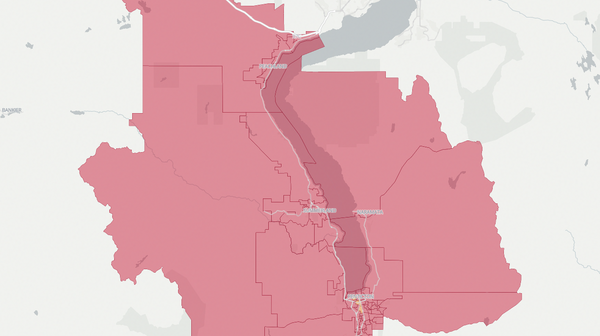
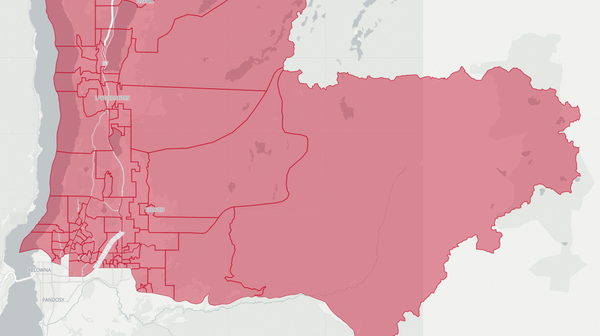
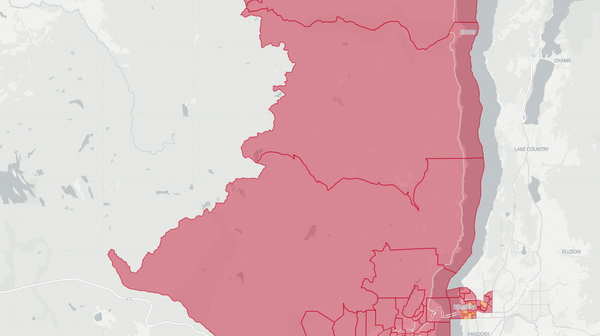
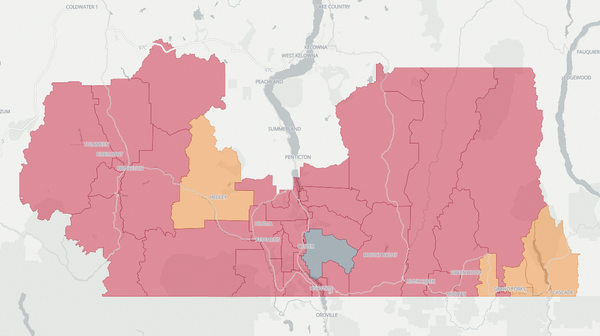
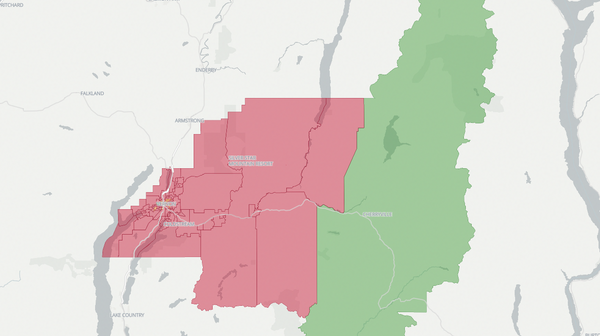
Kelowna-Mission — 2017 British Columbia Provincial Election Results Map
Kelowna-Mission — 2017 Election Results
Poll-by-poll results for Kelowna-Mission in the 2017 British Columbia election. The BC Liberal Party candidate won this riding. Explore detailed voting data, candidate results, and turnout statistics at the poll level.
Riding information
Auto generated. Flag an issue.Kelowna—Mission
Kelowna—Mission had been held by Steve Thomson since his first election in 2009, and the two-term incumbent entered the 2017 campaign as one of the longest-serving cabinet ministers in Christy Clark's government. Thomson had been Minister of Forests, Lands and Natural Resource Operations since 2011, giving him oversight of one of British Columbia's most economically significant portfolios. The riding covers the southern and central portions of the City of Kelowna, including the downtown core, the Mission area, and surrounding neighbourhoods. It was considered a safe Liberal seat, with Thomson having won comfortably in both 2009 and 2013.
The 2017 race featured four candidates, including an NDP challenger who would go on to a significant political career of her own. Provincial issues such as housing affordability, health care, and the cost of living resonated in a city that was growing quickly but where many residents felt left behind by the economic benefits concentrated in the Lower Mainland.
Candidates
Steve Thomson (BC Liberal Party) — Thomson was the incumbent MLA and Minister of Forests, Lands and Natural Resource Operations, a portfolio he held continuously from 2011 to 2017. Before entering politics, he had a career in the agricultural sector, serving as executive director of the BC Agriculture Council and general manager of the BC Fruit Growers Association and the BC Milk Producers Association. He was first elected to the legislature in 2009 and won re-election in 2013.
Harwinder Kaur Sandhu (BC NDP) — Sandhu was a nurse who had immigrated to British Columbia from India in 2001. A mother of three, she was driven to enter politics by her frontline experience in health care and her frustration with a system she saw as failing patients. She was passionate about improving health care access and affordability for families.
Rainer Wilkins (BC Green Party) — Wilkins was an entrepreneur, certified sommelier working in the Okanagan wine industry, and vice-president of the Kelowna Arts Council. A married father of two, he said he was motivated to enter politics after his daughter came home from school wondering why some students were being provided with lunch. He notably declined to put up election signs, calling them antiquated and ineffective.
Charles Hardy ran for the Conservative Party, receiving under five percent of the vote.
Local Issues
Housing affordability was a pressing concern in Kelowna—Mission, as the city experienced rising real estate prices that put homeownership out of reach for many younger residents and put severe pressure on the rental market. Advocates pressed all candidates on the availability of non-profit and co-operative housing, and the issue aligned with the broader provincial debate over foreign ownership, speculation, and the adequacy of the BC Liberal government's housing policies.
Health care access was a central theme, particularly for NDP candidate Sandhu, who drew on her nursing experience to highlight gaps in the system. Kelowna General Hospital served a wide catchment area, but patients needing specialist care often faced long waits or had to travel to Vancouver. The riding's aging population intensified demand for home care and seniors' services.
The forestry sector, directly relevant to incumbent Thomson's ministerial portfolio, was undergoing significant change. The pine beetle epidemic had reshaped the timber supply across the BC Interior, and communities dependent on forestry were grappling with mill curtailments and the transition to second-growth harvesting. Thomson's stewardship of the forests portfolio was both a source of pride for his supporters and a target for critics who argued the government had not done enough to support affected communities. Meanwhile, the opioid crisis and rising ICBC rates rounded out the list of concerns that voters carried to the polls on May 9.