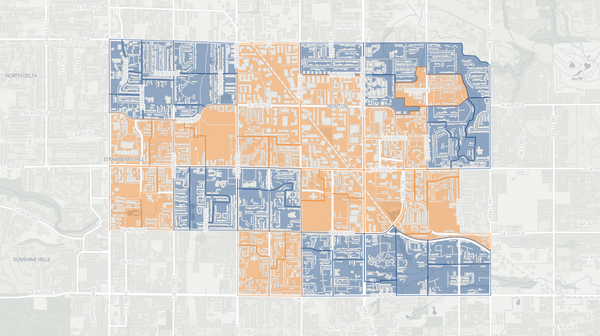
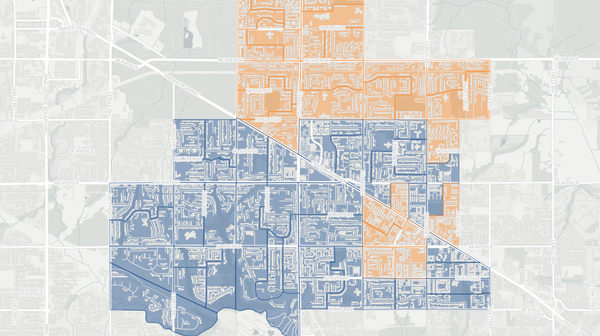
Surrey North — 2024 British Columbia Provincial Election Results Map
Surrey North — 2024 Election Results
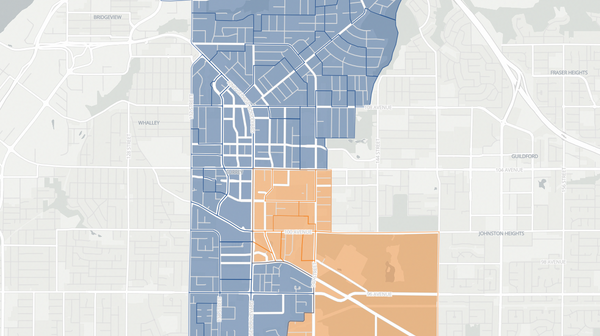
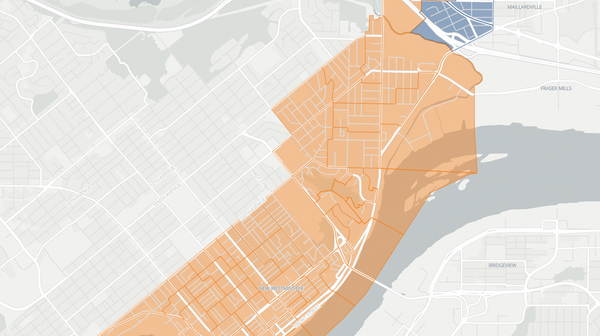
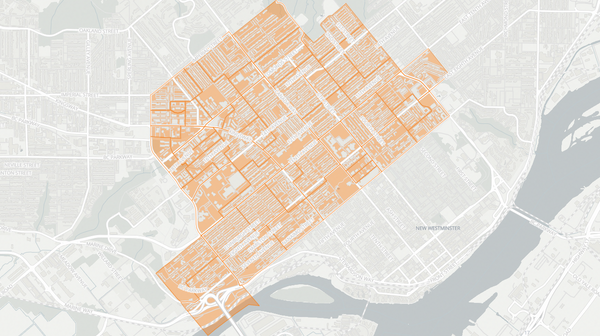
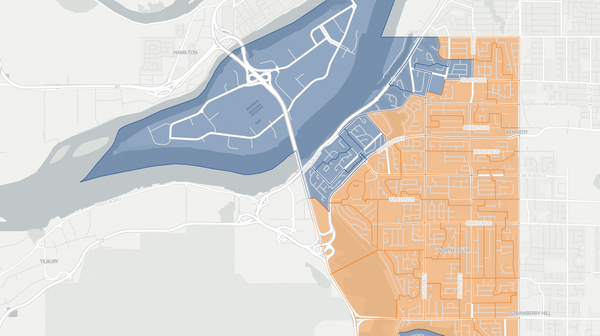
Poll-by-poll results for Surrey North in the 2024 British Columbia election. The Conservative Party candidate won this riding. Explore detailed voting data, candidate results, and turnout statistics at the poll level.
Riding information
Auto generated. Flag an issue.Surrey North
Surrey North is a new riding created through the 2024 redistribution, carved largely from the former Surrey-Green Timbers constituency. The riding encompasses residential neighbourhoods between Bear Creek Park and the Highway 1 corridor, taking in a mix of older single-family homes, newer townhouse developments, and commercial activity along the 104th Avenue and King George Boulevard corridors. The area's demographics reflect Surrey's extraordinary diversity, with significant South Asian, Filipino, and Chinese communities.
The riding's predecessor, Surrey-Green Timbers, had been held since 2017 by Rachna Singh, who served as Minister of Education and Child Care under Premier Eby from December 2022. Running in the redistributed Surrey North riding, Singh faced Conservative challenger Mandeep Dhaliwal in a race that tested whether a sitting cabinet minister could hold ground against the Conservative surge in Surrey.
Candidates
Mandeep Dhaliwal (Conservative Party) — Dhaliwal moved to Canada from India as a young man and settled in Surrey, where he owned Fixman Auto Glass Repair and Fixman Auto Glass Supplier. A former national-level kabaddi player in India, he raised one hundred thousand dollars for the BC Cancer Society through a motorcycle ride from British Columbia to Ontario with the BC Sikh Motorcycle Club in 2016.
Rachna Singh (BC NDP) — Singh was the incumbent MLA and Minister of Education and Child Care. She earned a master's degree in psychology at Panjab University before immigrating to Canada in 2001, where she built a career in social services — working as a drug and alcohol counsellor and as a support worker for women experiencing domestic violence. She went on to become a national representative for the Canadian Union of Public Employees and entered the legislature in 2017.
Sim Sandhu (BC Green Party), Kiran Hundal (Freedom Party of BC), and Hobby Nijjar (Independent) also contested the riding.
Local Issues
Public safety and the policing transition were central to the campaign in Surrey North. The riding's residential neighbourhoods reported persistent concerns about property crime, vehicle theft, and gang-related activity. The transition from RCMP to the Surrey Police Service was proceeding in phases, and as of the 2024 election, the area remained under RCMP jurisdiction. Residents debated whether the new municipal police force would deliver more responsive, community-rooted policing or whether the transition's costs and operational complexities would divert resources from the street-level enforcement they wanted to see.
Health care access was a pressing concern for the riding's diverse population. Many residents lacked a family doctor, and the nearest emergency department at Surrey Memorial Hospital was frequently overcrowded. Language barriers complicated access to health services for immigrant families, particularly older residents who spoke Punjabi, Hindi, or other languages more comfortably than English. The NDP government had invested in urgent and primary care centres across the province, but residents questioned whether these investments were reaching Surrey's underserved neighbourhoods quickly enough.
Affordability dominated kitchen-table conversations across the riding. Rising grocery costs, fuel prices, and housing expenses squeezed families already living on tight margins. Many households in Surrey North depended on service-sector, warehouse, and gig-economy employment that offered limited benefits and precarious hours. The NDP pointed to minimum wage increases, childcare investments, and the elimination of MSP premiums, while the Conservatives campaigned on eliminating the provincial carbon tax and reducing regulatory costs that they argued were driving up the price of essentials.