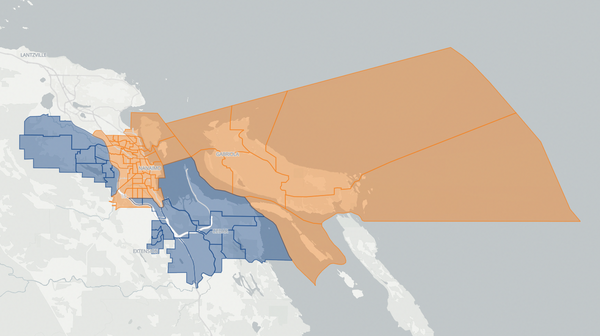
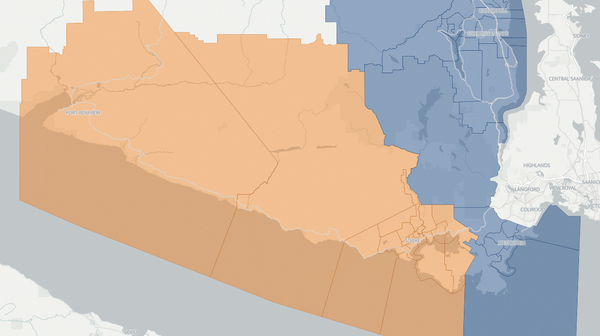
Mid Island-Pacific Rim — 2024 British Columbia Provincial Election Results Map
Mid Island-Pacific Rim — 2024 Election Results
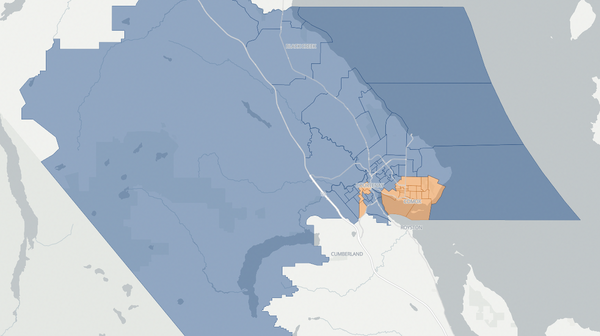
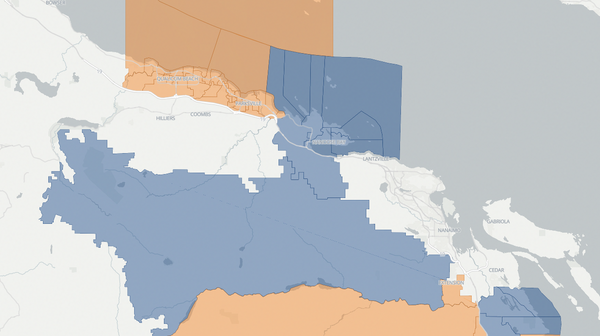
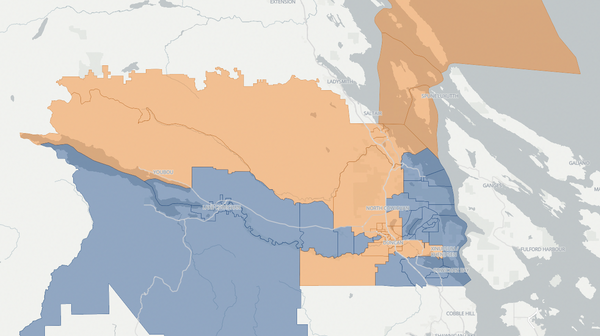
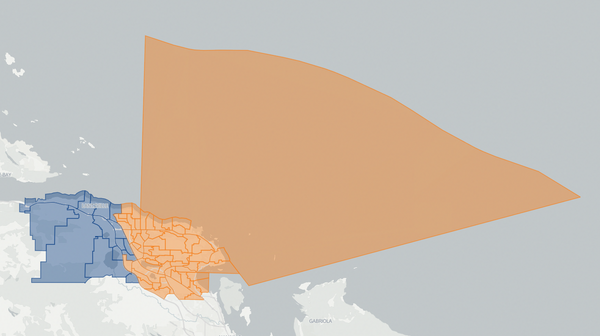
Poll-by-poll results for Mid Island-Pacific Rim in the 2024 British Columbia election. The BC NDP candidate won this riding. Explore detailed voting data, candidate results, and turnout statistics at the poll level.
Riding information
Auto generated. Flag an issue.Mid Island—Pacific Rim
Mid Island—Pacific Rim stretches across Vancouver Island's mountainous spine, linking the Alberni Valley's resource-sector heartland to the surf-town economies of Tofino and Ucluelet on the west coast, then turning north to take in Qualicum Beach and parts of the Comox Valley fringe. Highway 4, the sole road connecting the east coast to the west coast communities, threads through the Cathedral Grove old-growth forest and over the Alberni Summit before descending to the Pacific. The riding's geography is defined by contrasts — mill-town pragmatism in Port Alberni, tourism-driven prosperity on the Long Beach headland, and the quieter retirement communities of Qualicum Beach, all sharing a single electoral district that is one of Vancouver Island's most geographically challenging.
Candidates
Josie Osborne (BC NDP) — Osborne was the incumbent MLA, first elected in 2020 after seven years as mayor of Tofino. Trained as a marine biologist at the University of British Columbia, she later earned a master's degree in resource management at Simon Fraser University and moved to Tofino to work as a fisheries biologist for the Nuu-chah-nulth Tribal Council. She also spent time with the Raincoast Education Society, a local environmental education non-profit. In cabinet she held the portfolios of Municipal Affairs, Land, Water and Resource Stewardship, and Energy, Mines and Low Carbon Innovation.
Adam Hayduk (Conservative Party of BC) — Hayduk moved to Port Alberni in 2011 to coach the Alberni Valley Bulldogs of the BCHL, serving as assistant coach and assistant general manager over roughly five years. He has more than twenty years of experience in non-profit youth sport organizations, including work as hockey director for a large minor hockey association in Metro Vancouver.
Ross Reid (BC Green Party) — Reid holds a BFA in Film with a minor in Biology, as well as an MBA. He launched the multi-media environmental education project Nerdy About Nature in 2019 and works in ecological watershed restoration with the Redd Fish Restoration Society.
Local Issues
The opioid crisis exacted a devastating toll on Port Alberni throughout the NDP's time in government. The Alberni-Clayoquot region experienced some of the highest per-capita overdose rates on Vancouver Island, and the toxic drug supply worsened as fentanyl and its analogues saturated the illicit market. The Community Action Team, a local partnership addressing the crisis, documented the strain on first responders and the burnout afflicting RCMP officers and firefighters who attended repeated overdose calls. Roughly thirty-four per cent of children and youth in the Alberni Valley lived in low-income households, well above the provincial average, and the intersection of poverty, addiction, and inadequate mental health services formed a single, interconnected challenge that shaped the campaign.
Highway 4 improvements remained the riding's signature infrastructure issue. The Kennedy Hill safety project, a multi-year effort to widen the highway, straighten blind corners, and reduce the steep grade along a stretch adjacent to Kennedy Lake, had been completed during the NDP's term, but additional work on other sections of the corridor continued. For west coast residents and businesses, the highway's vulnerability to rockslides, washouts, and winter closures underscored the isolation felt by communities that depended on a single road for emergency services, supply deliveries, and the tourism traffic that sustained their economies.
Housing affordability took distinct forms across the riding. In Tofino and Ucluelet, the proliferation of short-term vacation rentals consumed housing stock that might otherwise serve year-round residents and seasonal workers, threatening the viability of the tourism businesses that employed them. British Columbia's new short-term rental legislation, introduced in 2023, aimed to return some of those units to the long-term market, but the west coast communities' dependence on tourism complicated enforcement. In Port Alberni, where incomes were lower and the economy more dependent on forestry, housing pressures manifested differently: an influx of buyers from more expensive markets had pushed prices upward in a community that had long been among Vancouver Island's most affordable.
The forestry sector's contraction continued to reshape Port Alberni's economic identity. Mill curtailments and closures across Vancouver Island had reduced the number of well-paying resource-sector jobs available in the region, and the NDP government's old-growth logging deferrals added uncertainty for workers whose livelihoods depended on access to timber. The federal government's decision to phase out open-net pen salmon farms in British Columbia's waters by 2029, announced during the term, added another dimension to the riding's resource-economy anxieties, with aquaculture workers in the Clayoquot Sound area facing an uncertain transition.