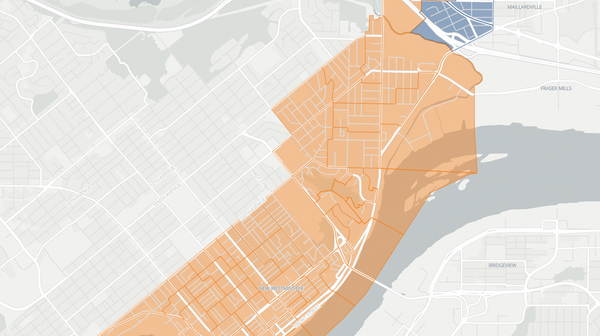
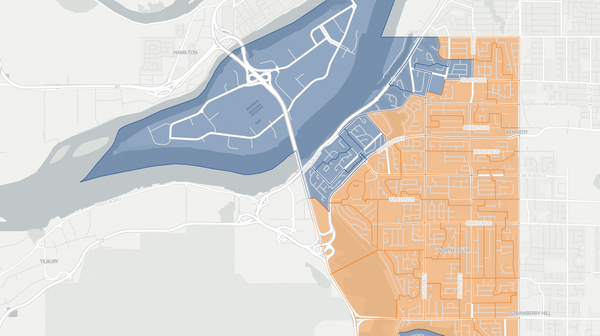
Burnaby South-Metrotown — 2024 British Columbia Provincial Election Results Map
Burnaby South-Metrotown — 2024 Election Results
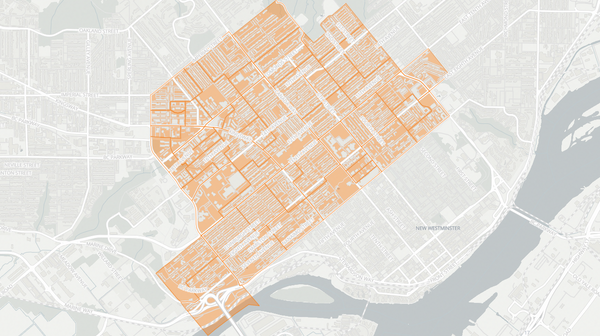
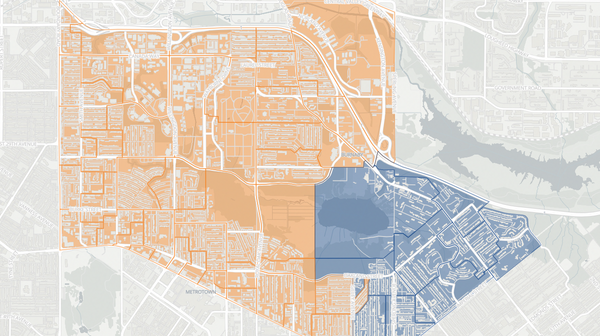
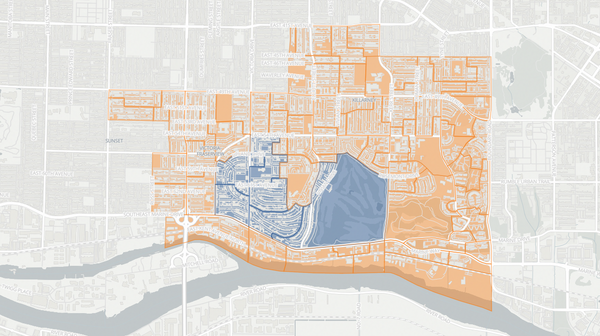
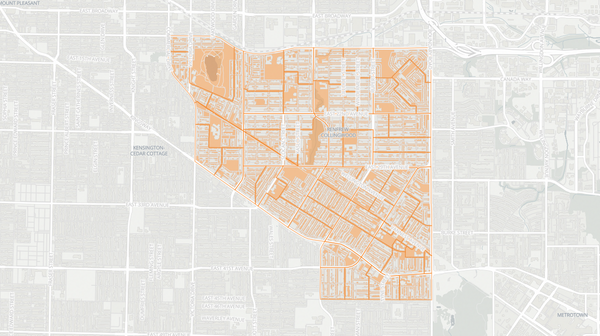
Poll-by-poll results for Burnaby South-Metrotown in the 2024 British Columbia election. The BC NDP candidate won this riding. Explore detailed voting data, candidate results, and turnout statistics at the poll level.
Riding information
Auto generated. Flag an issue.Burnaby South-Metrotown
Burnaby South-Metrotown centres on the Metrotown urban core, one of Metro Vancouver's most intensely developed commercial and residential districts. The area around Metrotown SkyTrain station — the busiest station in the regional transit system on weekends — has been transformed by a cluster of high-rise towers, shopping centres, and mixed-use developments that have made it a de facto second downtown for the region. The riding extends through surrounding residential neighbourhoods toward the Fraser River, taking in a population that is among the most ethnically diverse in British Columbia, with large Chinese, Korean, Filipino, and South Asian communities. Many residents are recent immigrants or first-generation Canadians.
The seat was newly created through redistribution, carved from portions of the former Burnaby South and neighbouring ridings. No incumbent ran in the riding, making it an open contest in a district where the NDP's urban base was strong but the sheer number of candidates — five in total — tested whether vote-splitting might create an opening for the opposition.
Candidates
Paul Choi (BC NDP) — Choi is a Korean-Canadian lawyer, small business owner, and former first responder who has also worked as Crown Counsel. He founded a legal practice focused on real estate. He has served as president of the Burnaby North Road Business Improvement Association and on the board of governors at Kwantlen Polytechnic University. He also serves as vice-chair of the Registration Committee at the College of Health and Care Professionals of BC.
Han Lee (Conservative Party) — Lee is described as an entrepreneur and realtor. A graduate of Burnaby South Secondary School, he campaigned on lowering the cost of living, improving public safety, and enhancing housing affordability, presenting himself as the only major candidate who had lived in the Burnaby South area and understood its challenges firsthand.
Carrie McLaren (BC Green Party) — McLaren ran for the Greens, receiving a modest share of the vote.
Meiling Chia (no party affiliation) and MichaelAngelo Abc RobinHood (Independent) also contested the riding, each receiving a minor share of the vote.
Local Issues
The transformation of the Metrotown area dominated local debate. What had been a mid-century suburban centre of low-rise apartment buildings and single-family homes was being replaced by some of the tallest residential towers in Metro Vancouver. Developers who demolished rental buildings were required under Burnaby's policy to replace the rental units and help displaced tenants cover interim housing costs, but enforcement and follow-through varied. The NDP government's transit-oriented development legislation pushed for even greater density around the SkyTrain station, while Burnaby's city council delayed implementation, refusing to adopt the required zoning changes before the provincial election results were known.
The riding's immigrant communities faced acute affordability pressures. New arrivals to Canada who settled in Burnaby South-Metrotown often worked in the service sector, retail, and food services — industries where wages lagged behind the rapidly rising cost of housing. Burnaby had become the second-most expensive city to rent in Canada, and families doubling up in apartments or living in substandard conditions were a visible reality in the dense urban core. The NDP's Rental Protection Fund and new affordable housing construction, including a 59-unit below-market development on Telford Avenue near the Metrotown SkyTrain station, addressed a fraction of the need.
Public safety and street-level disorder around Metrotown's commercial areas drew intense concern from businesses and residents. The concentration of high-density housing, transit infrastructure, and commercial activity created environments where property crime, shoplifting, and visible drug use were persistent complaints. The opioid crisis touched the riding directly, with overdose response calls a regular occurrence. The political debate over drug decriminalization — the province's pilot that took effect in January 2023 and Premier Eby's subsequent move to recriminalize public drug use in April 2024 — played out in real time on the riding's streets.
Multilingual service delivery and cultural accessibility were practical governance issues in one of British Columbia's most linguistically diverse ridings. Residents accessing provincial services — healthcare, housing assistance, employment programs — frequently encountered language barriers, and community organizations that provided translation and settlement support were stretched thin by growing demand. Both major candidates emphasized their connections to the riding's Korean, Chinese, and South Asian communities, and the NDP's nomination of Paul Choi as a Korean-Canadian candidate reflected the party's strategy of matching its candidates to the riding's demographics.