Victoria, BC — 2025 Federal Election Results Map
Victoria — 2025 Election Results
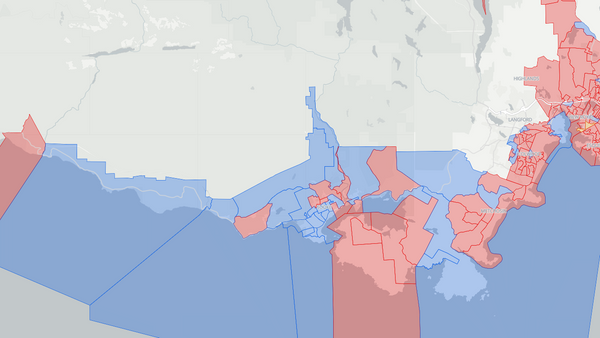
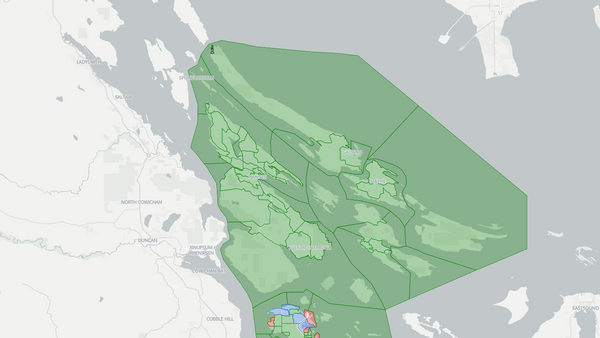
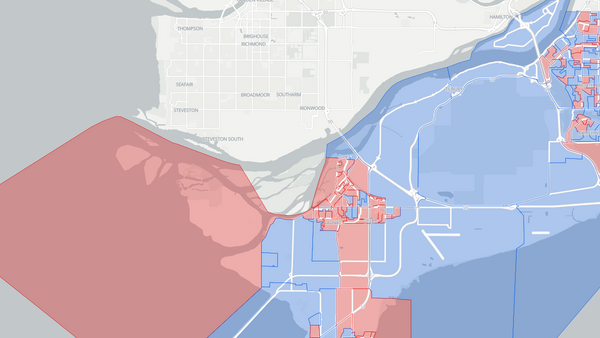
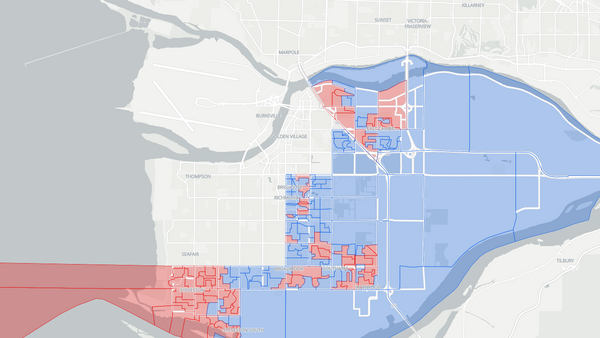
Poll-by-poll results for Victoria in the 2025 Canadian federal election. The Liberal candidate won this riding. Explore detailed voting data, candidate results, and turnout statistics at the poll level.
Riding information
Auto generated. Flag an issue.Victoria
Victoria is a compact urban riding on the southern tip of Vancouver Island, encompassing British Columbia's capital city along with the municipality of Oak Bay and the southeastern portion of Saanich, including the University of Victoria. Long considered one of Canada's most progressive urban constituencies, the riding was held by the NDP from 2006 to 2025 before the Liberals recaptured it in a significant swing during the 2025 election -- the first Liberal win in Victoria since 2004.
Candidates
Will Greaves (Liberal) is an associate professor of political science at the University of Victoria, specializing in climate change, security, Arctic issues, and Canadian foreign policy. He has published more than 30 peer-reviewed articles and book chapters and authored or co-authored three books. Greaves co-founded the Climate Security Association of Canada and serves on the Defence Advisory Board to Canada's Department of National Defence. The son and grandson of Canadian foreign service diplomats, he lives in Victoria with his wife and child.
Laurel Collins (NDP) was the incumbent, first elected in 2019 and re-elected in 2021. Before entering federal politics, she taught social justice and sociology at the University of Victoria and served as a Victoria city councillor. Collins worked with the United Nations High Commissioner for Refugees in Northern Uganda. In Parliament, she served as the NDP critic for environment and climate change and deputy whip, and successfully advanced legislation on coercive control in intimate partner violence and strengthened the Canadian Environmental Protection Act.
Angus Ross (Conservative) is a Canadian Armed Forces veteran and former law enforcement officer. A fourth-generation Victorian, he served as a municipal councillor in Scugog, Ontario, from 2018 to 2021. Ross represented Canada as a member of Triathlon Team Canada for six years. He lives in Victoria with his wife, a family physician, and their two sons.
Michael Doherty (Green Party) is a lawyer, author, and academic raised on Salt Spring Island. He holds a PhD and has specialized in public law, working for the governments of Canada and British Columbia, the BC Public Interest Advocacy Centre, and Ecojustice. He resigned from his position at the BC Office of the Attorney General to seek election. Doherty has taught law at post-secondary institutions and published books on legal topics.
David Mohr (People's Party) is a Canadian Armed Forces veteran who served in the army and navy reserve. He has worked as a professional entertainer, magician, and actor, and previously served as a riding president for the Conservative Party of BC and ran for school board in Port Moody.
Cody Fraser (Parti Rhinoceros Party) ran as the satirical Rhinoceros Party's candidate in the riding.
About the Riding
Victoria is the seat of British Columbia's provincial government, and the legislature buildings, government offices, and related services are central to the riding's employment base. The University of Victoria, located in the riding's Saanich portion, is a major research institution and one of the area's largest employers. Oak Bay, a residential municipality on the riding's eastern edge, is known for its heritage homes, village shopping streets, and comparatively affluent demographics.
The riding has one of the highest proportions of non-religious residents in Canada and a well-established arts, culture, and environmental advocacy community. Victoria's Inner Harbour and James Bay neighbourhood anchor the tourism sector, while the technology industry has grown substantially in the broader region.
In 2025, housing affordability and homelessness were the dominant local issues. Victoria's rental vacancy rates were extremely low, and rising costs placed acute pressure on renters, students, and public-sector workers. Street homelessness and encampments were visible concerns in the downtown core. Healthcare access, particularly the shortage of family physicians, was a persistent frustration. The riding's progressive electorate debated whether strategic voting for the Liberals or continued support for the NDP best served their interests in a campaign shaped by trade tensions with the United States and questions of national sovereignty.