Lumsden-Morse — 2024 Saskatchewan Provincial Election Results Map
Lumsden-Morse — 2024 Election Results
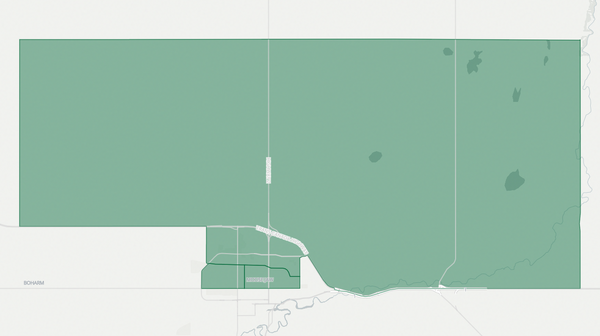
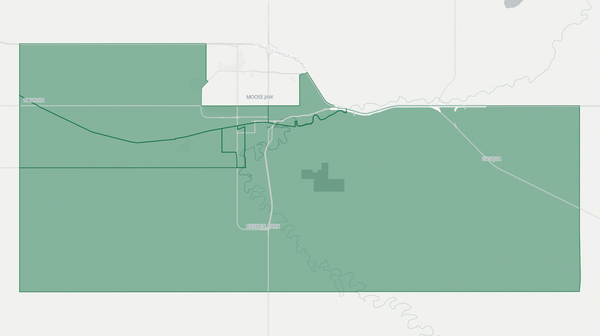
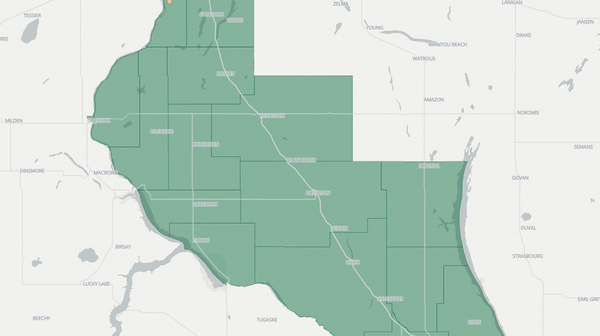
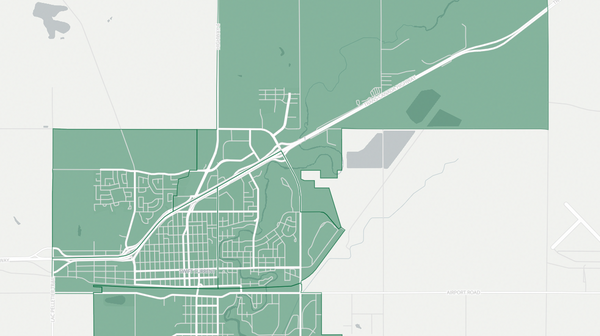
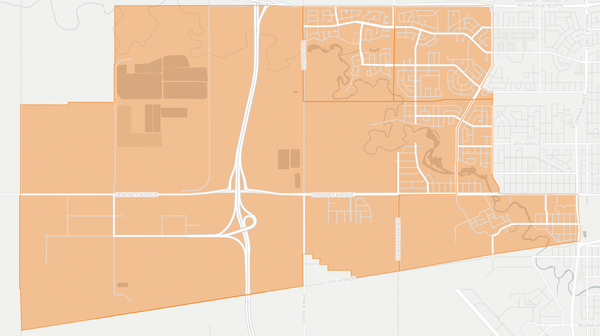
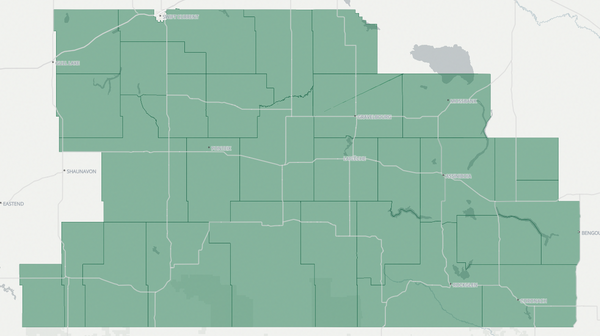
Poll-by-poll results for Lumsden-Morse in the 2024 Saskatchewan election. The Saskatchewan Party candidate won this riding. Explore detailed voting data, candidate results, and turnout statistics at the poll level.
Riding information
Auto generated. Flag an issue.Lumsden—Morse
Lumsden—Morse stretches along the Trans-Canada Highway between Swift Current and Regina, encompassing farming communities, small towns, and the bedroom community of Lumsden near the provincial capital. The riding experienced significant political turnover during the 2020–2024 term. Veteran MLA Lyle Stewart, who had held the seat and its predecessor Thunder Creek since 1999, resigned in March 2023 for health reasons after more than two decades of service that included a stint as Minister of Agriculture. The August 2023 by-election to replace him tested the Saskatchewan Party's dominance in its rural heartland, with Saskatchewan United Party candidate Jon Hromek finishing second. Saskatchewan Party nominee Blaine McLeod won the by-election and entered the 2024 general election as the incumbent.
Candidates
Blaine McLeod (Saskatchewan Party) — McLeod is a dairy farmer who has operated Caroncrest Farms in the Caron area with his wife Marlie and their sons for more than forty years. Throughout his career in agriculture, he served on the board of SaskMilk and as the Saskatchewan director of Dairy Farmers of Canada. He has been active on local school boards and church boards, and his engagement with the constituency association made him a familiar figure within Saskatchewan Party circles before his entry into elected politics. He was acclaimed as the party's candidate for the 2024 general election.
Chauntel Baudu (NDP) — Baudu is a school principal in the Prairie Valley School Division and a sessional instructor at the University of Regina who holds both a Bachelor of Education and a Master of Education from the University of Regina. She grew up on a grain and cattle farm north of Wawota and returned to rural Saskatchewan after eighteen years with the Catholic School Division of Regina, settling in Lumsden with her husband and daughter. She described the healthcare and education systems as being at crisis points and sought to offer a voice for rural families who felt underserved by the governing party.
Jon Hromek (Saskatchewan United Party) — Hromek became leader of the Saskatchewan United Party in May 2024, taking over from founding leader Nadine Wilson. A petroleum engineer by training with a degree from the University of Regina, he is the CEO and chairman of Adonai Resources II Corporation, an oil and gas exploration and production company. He lives in the Lumsden area with his wife and four children. Hromek ran in the riding's 2023 by-election as the Saskatchewan United Party's first-ever candidate, finishing second, and led the party into the 2024 general election from the same constituency.
Megan Torrie (Progressive Conservative) — Torrie is a Sixties Scoop survivor who grew up in the Moose Jaw and Chaplin area after being adopted into the Torrie household. She has lived in First Nations communities, rural municipalities, and cities, and said her diverse experiences across those settings motivated her to enter politics and advocate for underrepresented communities.
Local Issues
The 2023 by-election had already exposed the fault lines shaping the 2024 contest. Hromek's second-place finish on a platform centred on parental rights in education and opposition to what he characterized as government overreach demonstrated that the Saskatchewan United Party could draw meaningful support even in a Saskatchewan Party stronghold. The by-election result, combined with Stewart's long shadow as a former agriculture minister, set high expectations for McLeod to consolidate the conservative vote.
Agriculture remained the economic lifeblood of the constituency. Dairy, grain, and cattle operations faced ongoing pressure from elevated input costs, and the Trans-Canada corridor that runs through the riding underscored the importance of highway maintenance and transportation infrastructure for moving agricultural products to market. McLeod's four decades in the dairy industry gave him credibility on farm policy, while Baudu and Hromek each argued that the government had failed to adequately support rural producers and communities.
Education and healthcare policy intersected in the riding's debates. Baudu, drawing on her twenty years in the classroom, pointed to chronic underfunding, growing classroom complexity, and difficulty retaining teachers in rural schools. The Saskatchewan Party's Parents' Bill of Rights, which required parental consent for pronoun changes for students under sixteen, was a polarizing issue that animated both supporters and critics across the constituency. Healthcare access—particularly emergency room reliability, physician recruitment, and the sustainability of services in small communities along the Trans-Canada corridor—rounded out a set of concerns shared by candidates across the political spectrum.