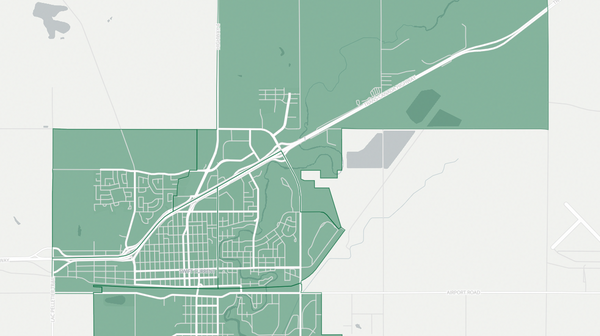
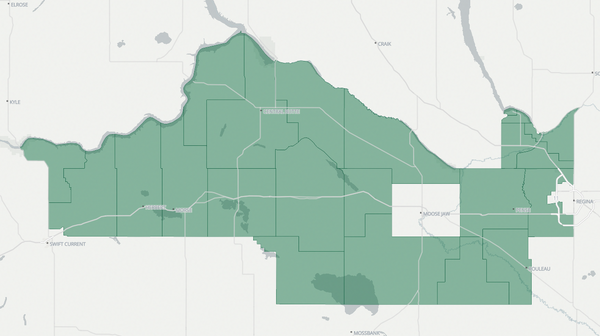
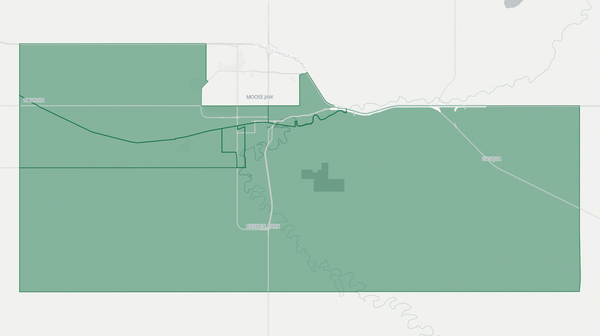
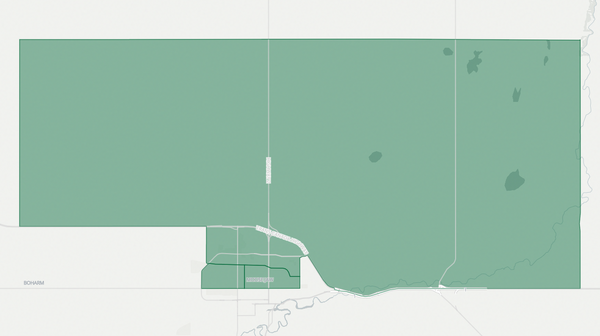
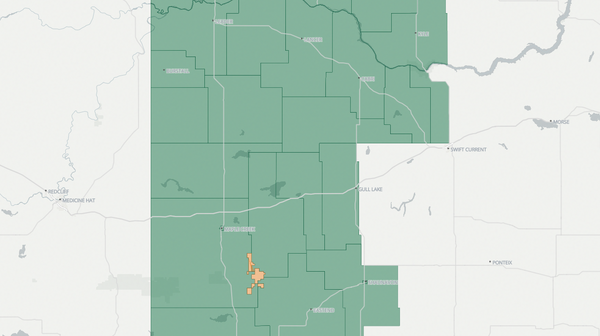
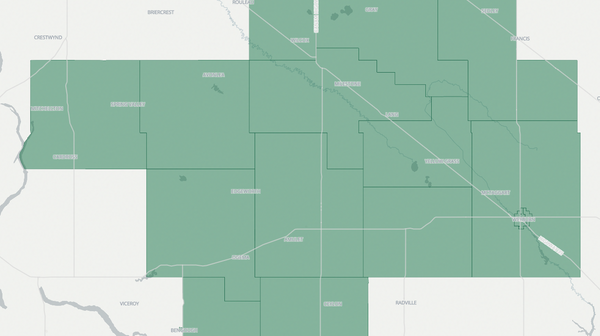
Wood River — 2024 Saskatchewan Provincial Election Results Map
Wood River — 2024 Election Results
Poll-by-poll results for Wood River in the 2024 Saskatchewan election. The Saskatchewan Party candidate won this riding. Explore detailed voting data, candidate results, and turnout statistics at the poll level.
Riding information
Auto generated. Flag an issue.Wood River
Wood River is a vast rural constituency stretching across southern Saskatchewan's agricultural heartland, encompassing the towns of Assiniboia, Gravelbourg, Ponteix, Rockglen, Lafleche, and Mossbank, along with smaller communities such as Val Marie, Mankota, Wood Mountain, and Vanguard. The riding has existed in various forms since the 1990s and has been represented by Saskatchewan Party MLA David Marit since the 2016 general election. Marit—a rancher, former SARM president, and cabinet minister—sought a third term in 2024 and faced the most crowded field in the constituency's recent history, with five candidates from five different parties on the ballot. He won handily on October 28, 2024, reaffirming the Saskatchewan Party's grip on one of the province's most reliably conservative rural seats.
Candidates
-
David Marit (Saskatchewan Party) — Born and raised in the Wood River area, Marit farmed actively until 2019 and remains a landowner in the constituency. He began serving on RM council in 1993, rose through the Saskatchewan Association of Rural Municipalities to become its president, and entered provincial politics when he won the Wood River seat in the 2016 general election. As Minister of Agriculture and minister responsible for Saskatchewan Crop Insurance Corporation and the Water Security Agency, Marit brought significant cabinet clout to the riding. He was acclaimed as the Saskatchewan Party's candidate and won roughly 68 per cent of the vote.
-
Mike Topola (NDP) — An Advanced Care Paramedic working at Assiniboia Union Hospital, Topola was born and raised in Assiniboia and has spent nearly a decade coaching high school sports in the community. His frontline experience in rural emergency medicine gave his healthcare-focused campaign immediate credibility, and he placed second with about 19 per cent.
-
Clint Arnason (Progressive Conservative) — A former Buffalo Party leadership candidate and two-term Vanguard town councillor, Arnason switched to the Progressive Conservative banner for the 2024 race. He campaigned on maintaining rural healthcare facilities and keeping Saskatchewan farmland in local hands, finishing with roughly seven per cent.
-
Todd McIntyre (Saskatchewan United Party) — A small ranch owner southwest of Moose Jaw who boards and trains horses, McIntyre grew up on a mixed farm in the Spring Valley area and previously served on the Moose Jaw and District Chamber of Commerce board of directors and the City of Moose Jaw's Heritage Advisory Committee. He campaigned on affordability and reducing the provincial sales tax, taking about five per cent of the vote.
Local Issues
Rural healthcare dominated the Wood River campaign. Emergency rooms at small-town hospitals across southern Saskatchewan experienced repeated service disruptions due to physician and nursing shortages during the 2020–2024 term. Residents in outlying areas faced drives of 30 minutes or more to reach the nearest functioning ER when local services were suspended, and the state of aging healthcare infrastructure in smaller communities was a frequent topic at candidate forums.
Agriculture is the economic backbone of Wood River, and the term was bookended by devastating drought. The 2021 growing season saw Saskatchewan crop production plummet by 44 per cent—the smallest harvest since 2003—while the 2023 drought prompted at least 20 rural municipalities across the province to declare states of emergency. Livestock producers scrambled for feed, and the federal-provincial AgriRecovery program directed tens of millions of dollars in relief to affected ranchers. For a riding whose communities rise and fall with the harvest, these back-to-back crises underscored the importance of crop insurance and disaster preparedness.
Affordability and depopulation rounded out the concerns. Smaller villages continued to lose residents and services, raising questions about the long-term viability of rural Saskatchewan. The maintenance of local schools, highways, and municipal infrastructure in a riding that covers thousands of square kilometres remained a persistent challenge for whoever held the seat.