Saskatoon Centre — 2020 Saskatchewan Provincial Election Results Map
Saskatoon Centre — 2020 Election Results
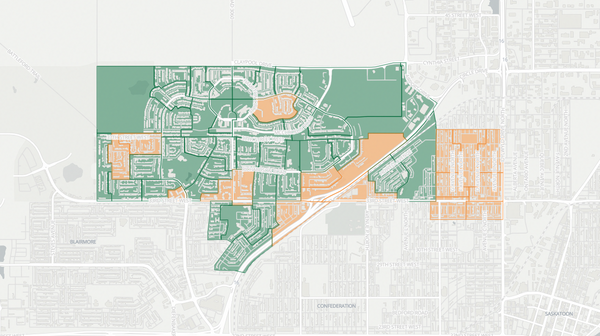
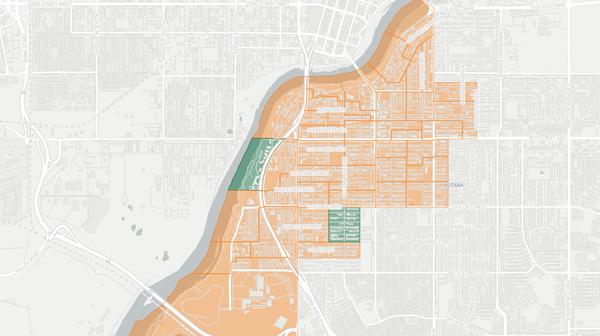
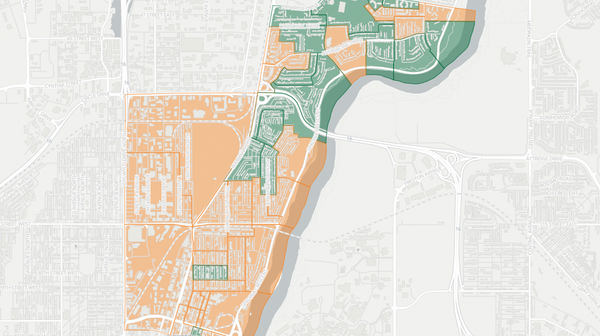
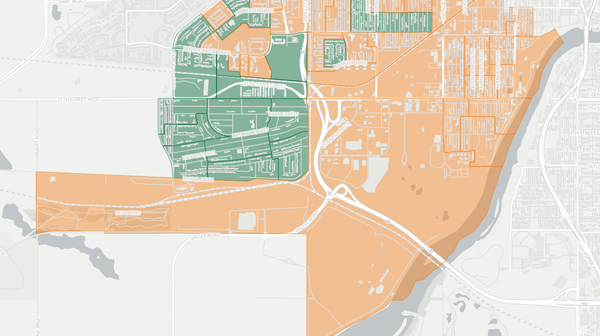
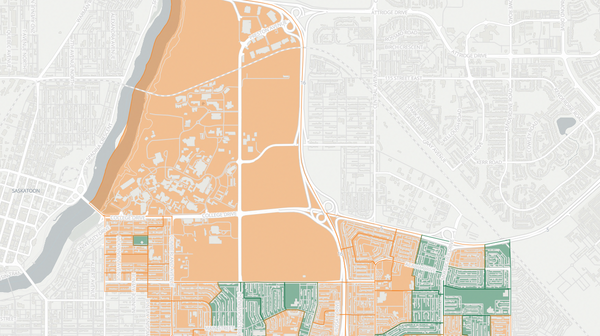
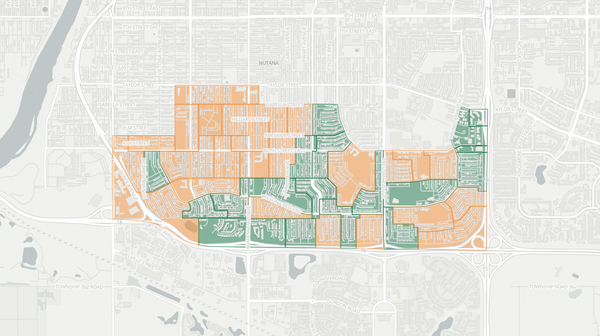
Poll-by-poll results for Saskatoon Centre in the 2020 Saskatchewan election. The NDP candidate won this riding. Explore detailed voting data, candidate results, and turnout statistics at the poll level.
Riding information
Auto generated. Flag an issue.Saskatoon Centre
Saskatoon Centre had been a reliable NDP seat under David Forbes, who first entered the legislature in a 2001 by-election and went on to represent the constituency through successive elections. Forbes announced in August 2018 that he would not seek re-election in 2020, creating an open-seat contest in one of Saskatoon's most diverse and economically challenged ridings. The constituency encompasses several of the city's core neighbourhoods, home to a significant Indigenous population and communities grappling with poverty, housing instability, and addictions. This was one of the few ridings in Saskatchewan where the NDP was favoured heading into election night, and the party's choice of candidate would signal its priorities on Indigenous and social justice issues.
The Saskatchewan Party nominated Kim Groff to challenge for the seat, hoping to capitalize on the party's province-wide momentum. But in a riding where social services, healthcare access, and community development were paramount concerns, the NDP's candidate selection proved well matched to the constituency's needs.
Candidates
Betty Nippi-Albright (NDP) — A member of Kinistin First Nation with Saulteaux and Cree ancestry, Nippi-Albright was a residential school survivor who attended residential school for nine years. She brought over twenty years of experience working in healthcare and community development in the Saskatoon Centre constituency, having spearheaded the creation of an Aboriginal Health Strategy that led to the establishment of First Nation and Metis Health Services in Saskatoon. She served on numerous boards including the United Way of Saskatoon, the Saskatoon Anti-Poverty Coalition, and the National Aboriginal Diabetes Association.
Kim Groff (Saskatchewan Party) — Groff grew up in small-town Saskatchewan and had lived in Saskatoon for thirty-five years. He studied at the Saskatchewan Technical Institute (now Saskatchewan Polytechnic) and the Edwards School of Business at the University of Saskatchewan, building a career in sales, human resources, and business finance. This was his first general election as a candidate for any political party.
Raven Reid (Green Party) received just under three per cent of the vote.
Local Issues
Poverty and housing instability were defining concerns in Saskatoon Centre, where core neighbourhoods experienced some of the highest rates of low income in any urban riding in the province. Indigenous residents were disproportionately affected, with poverty rates among Indigenous people in Saskatoon far exceeding those of the non-Indigenous population. The lack of affordable and supportive housing, combined with growing homelessness, placed immense strain on community organizations and highlighted the need for provincial investment in social infrastructure.
Mental health and addictions services were critically underfunded relative to demand. The riding's residents relied heavily on community health centres and non-profit organizations for supports that many argued should be provided through the public healthcare system. The methamphetamine crisis affecting Saskatoon's core neighbourhoods had intensified in the years leading up to the election, and residents called for expanded treatment options and harm reduction programs.
The COVID-19 pandemic added a new layer of vulnerability for the riding's most marginalized residents. Crowded housing conditions, limited access to healthcare, and economic precarity made the core neighbourhoods especially susceptible to outbreaks. Nippi-Albright's background in community health and Indigenous health advocacy positioned her to speak directly to these concerns, while the broader question of how the province would support its most disadvantaged communities through the pandemic became a central theme of the local campaign.