Victoria-Swan Lake — 2024 British Columbia Provincial Election Results Map
Victoria-Swan Lake — 2024 Election Results
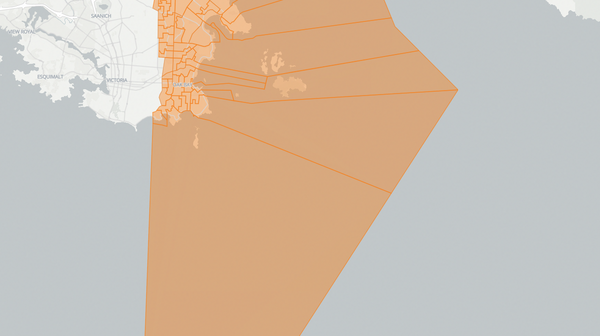
Poll-by-poll results for Victoria-Swan Lake in the 2024 British Columbia election. The BC NDP candidate won this riding. Explore detailed voting data, candidate results, and turnout statistics at the poll level.
Riding information
Auto generated. Flag an issue.Victoria-Swan Lake
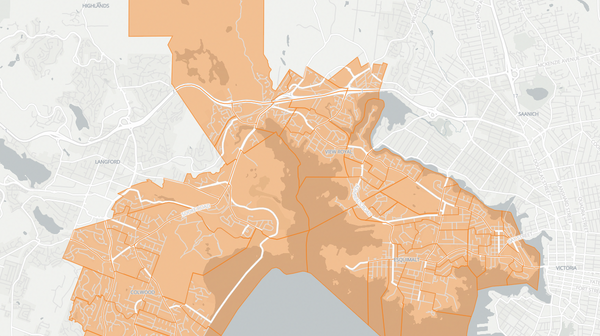
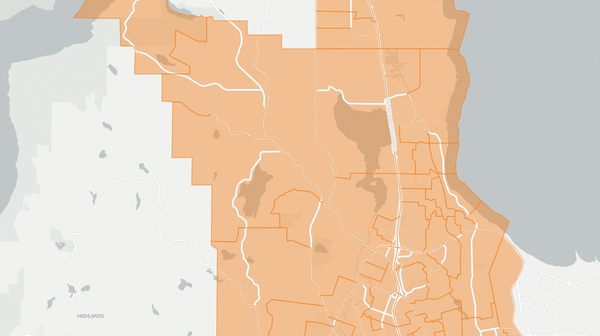
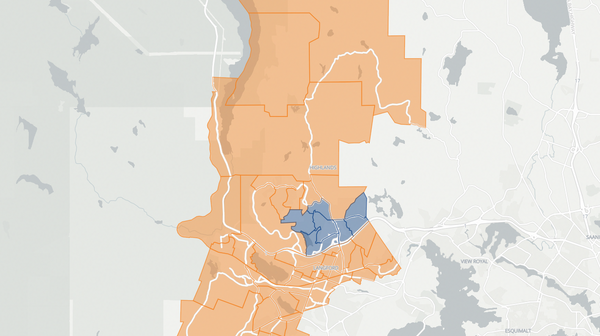
Victoria-Swan Lake stretches from the Hillside-Quadra and Fernwood neighbourhoods in the south through the commercial corridor along Douglas Street to the residential areas surrounding Swan Lake Nature Sanctuary in Saanich. The riding's character is shaped by its mix of older apartment buildings and heritage homes in the walkable Fernwood village, the more suburban subdivisions around Blanshard and Quadra Streets, and the ecological centrepiece of Swan Lake itself — a wetland sanctuary that provides habitat for migratory birds within minutes of downtown Victoria. The riding had been held continuously by the NDP for decades, and the retirement of long-serving MLA Rob Fleming, who had represented the constituency since 2005 and served as Minister of Education and later Minister of Transportation and Infrastructure, created an open seat for the first time in nearly twenty years.
Candidates
Nina Krieger (BC NDP) — Krieger was the former executive director of the Vancouver Holocaust Education Centre, where she led the organization for more than a decade, overseeing its expansion within a multigenerational Jewish community centre that includes childcare, seniors' services, and arts and culture spaces. Born and raised in Vancouver, she had lived in Victoria for three years. Both sides of her family emigrated from Eastern Europe, with her mother's side enduring significant hardships during the Second World War before coming to Canada.
Christina Winter (BC Green Party) — Winter held a Bachelor of Arts in Political Science and History from the University of Victoria and had eleven years of experience as an office and business administrator. She had been knocking on doors and working on Green campaigns in the riding since 2015 and was inspired to enter politics after attending a public policy lecture by Green Party of Canada leader Elizabeth May.
Tim Taylor (Conservative Party) also contested the riding.
Robert Crooks (Communist Party of BC) also contested the riding.
Local Issues
Housing affordability had worsened steadily across the riding, where a mix of renters in older apartment stock and homeowners in established single-family neighbourhoods coexisted uneasily with rising costs. Victoria's rental vacancy rate remained among the lowest in the province, and average rents continued to climb beyond the reach of many service-sector workers, students, and young families. The NDP government's legislation requiring municipalities to permit increased density near transit corridors and allow secondary suites and small multiplexes on single-family lots was intended to boost supply, but neighbourhood-level debate about the pace and character of change was intense in communities like Fernwood and Hillside-Quadra, where residents valued the existing village-scale streetscape.
Healthcare access remained a persistent concern, particularly for residents without a family doctor. The shortage of general practitioners across Greater Victoria had left tens of thousands of people relying on walk-in clinics or the emergency department at Royal Jubilee Hospital for routine care. The NDP government had expanded primary care networks and invested in nurse practitioner clinics, but the pace of recruitment had not kept up with population growth, and wait times for specialist referrals stretched into months. The aging population of the riding — many of whom had moved to Victoria for its climate and quality of life — added urgency to demands for geriatric care, home support services, and long-term care beds.
The toxic drug crisis touched the riding through its proximity to downtown Victoria's service hub and the community health supports located along the Douglas Street corridor. Encampments and street-level disorder along Burnside Road and near the Highway 1 interchange had become a source of tension between residents who wanted stronger enforcement and advocates who called for expanded harm reduction, mental health treatment, and supportive housing. The provincial government's decision to re-criminalize public drug consumption in May 2024 was debated in a riding where opinion was divided between those who viewed it as a necessary step to restore public safety and those who argued it would drive people who use drugs into more dangerous isolation.